Great page content does more than fill space on a website. It helps search engines understand a topic, gives visitors a clear reason to stay, and guides them toward a meaningful action. A strong page content SEO strategy balances ranking potential, user intent, and conversion-focused messaging so that traffic turns into measurable business value.
TLDR: Page content that ranks and converts starts with a clear understanding of search intent, keyword relevance, and audience needs. Each page should have a focused structure, helpful information, strong internal links, and persuasive calls to action. The best SEO content is not written only for algorithms; it is designed to answer questions, build trust, and move readers closer to a decision.
What Page Content SEO Means
Page content SEO is the process of creating and optimizing the visible content on a webpage so it can perform well in search results and support user goals. This includes headings, body copy, images, internal links, metadata, calls to action, FAQs, and supporting elements such as tables or lists.
Effective SEO content is not simply a collection of keywords. Search engines now evaluate quality, relevance, usefulness, structure, and user satisfaction signals. A page that answers a query completely, loads quickly, and provides a smooth reading experience is more likely to perform well over time.

Start With Search Intent
Before any content is written, the page should be mapped to a specific search intent. Search intent explains what the user wants to accomplish when entering a query. Most searches fall into one of these categories:
- Informational: The user wants to learn something, such as “how to optimize page content.”
- Commercial: The user is comparing options, such as “best SEO content tools.”
- Transactional: The user is ready to act, such as “hire SEO content writer.”
- Navigational: The user wants to find a specific brand, product, or page.
When content does not match intent, rankings and conversions usually suffer. For example, a user searching for a beginner guide expects educational content, not an aggressive sales page. A user searching for pricing, however, likely expects details that support a purchase decision.
Choose Keywords With Purpose
Keyword research remains important, but modern SEO requires a broader approach than repeating one exact phrase. A strong page uses a primary keyword, related secondary keywords, and natural language that reflects the topic.
Writers and marketers should look for keywords that meet three standards:
- Relevance: The keyword closely matches the page topic and business offering.
- Search demand: People actually search for the term or related variations.
- Conversion potential: The keyword can attract visitors who may take a valuable action.
For better topical coverage, the page should also include related concepts, common questions, and terms that appear naturally in expert discussions. This helps search engines understand depth while helping readers feel that the content is complete.
Create a Clear Content Structure
Search engines and readers both benefit from organized content. A well-structured page makes it easy to scan, understand, and navigate. The page should typically include one main heading, logical subheadings, concise paragraphs, and clear transitions between ideas.
Strong structure usually includes:
- A focused introduction that explains the value of the page.
- Descriptive headings that include relevant terms naturally.
- Short paragraphs that improve readability on mobile and desktop.
- Lists and formatting that highlight important points.
- A clear conclusion or next step that supports conversion.
Readability is a ranking support factor, not because search engines reward pretty formatting alone, but because clear content keeps users engaged.
Write for Usefulness First
High-performing content is usually practical, specific, and trustworthy. It should answer the core question quickly, then provide enough supporting detail to satisfy the user. Generic content that repeats obvious advice rarely earns strong engagement or links.
To improve usefulness, content teams can add:
- Definitions for complex terms.
- Step-by-step explanations.
- Examples that show how a concept works.
- Comparison points for decision-making.
- Warnings about common mistakes.
- Actionable recommendations that can be applied immediately.
The strongest page content often reflects real expertise. This may include original insights, customer questions, industry experience, data, or examples from practical use cases. Search engines increasingly favor content that demonstrates authority and reliability.
Optimize On-Page Elements
Page content SEO also depends on technical and on-page details. These elements help search engines interpret the content and help users decide whether to click.
- Title tag: The page title should be compelling, accurate, and include the main keyword where natural.
- Meta description: This should summarize the page benefit and encourage clicks, even though it is not a direct ranking factor.
- URL: A short, descriptive URL is easier to understand and share.
- Image alt text: Alt text should describe images clearly and support accessibility.
- Internal links: Relevant links help users explore related topics and distribute page authority.
These details should support the content, not distract from it. Over-optimization, such as forcing keywords into every heading or sentence, can make a page feel unnatural and reduce trust.
Use Calls to Action That Match Intent
A page that ranks but does not convert leaves value on the table. Conversion-focused content guides readers toward the next logical step. The best call to action depends on the stage of the user journey.
For informational pages, the action might be reading a related guide, downloading a checklist, or joining an email list. For commercial pages, the action might be requesting a quote, viewing a product comparison, or booking a consultation. For transactional pages, the action should be direct and easy to complete.
Good calls to action are:
- Clear: The reader understands exactly what happens next.
- Relevant: The offer connects to the content topic.
- Visible: The CTA appears where the reader is likely to need it.
- Low-friction: The action does not require unnecessary effort.

Build Trust Through Content Quality
Trust is essential for both rankings and conversions. Readers are more likely to act when a page appears credible, transparent, and professional. Content should avoid exaggerated claims and provide evidence where possible.
Trust signals may include author expertise, updated publication dates, customer testimonials, case studies, statistics, citations, security indicators, and clear contact information. Even simple details such as consistent formatting and accurate grammar can influence how trustworthy a page feels.
Measure and Improve Performance
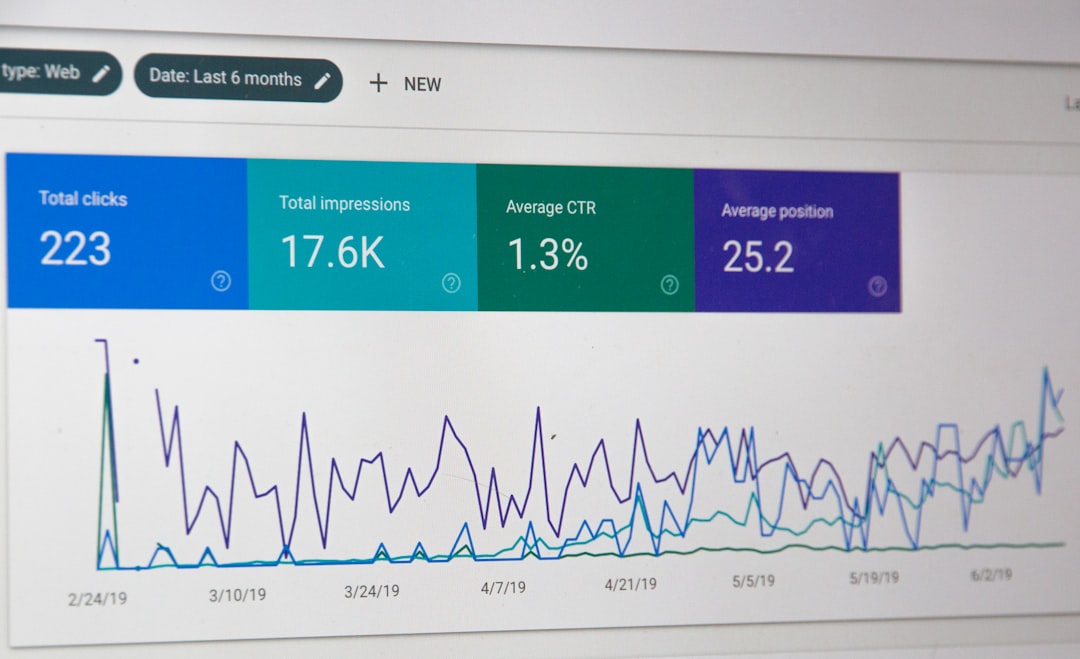
SEO content should not be treated as finished after publication. Performance data reveals whether a page is attracting the right audience and encouraging action. Important metrics include organic traffic, keyword rankings, click-through rate, engagement time, scroll depth, conversions, and assisted revenue.
If a page gets impressions but few clicks, the title tag and meta description may need improvement. If visitors arrive but leave quickly, the introduction, layout, or intent match may be weak. If traffic is strong but conversions are low, the offer, CTA, or trust signals may need refinement.
Continuous optimization is one of the most reliable ways to improve page content SEO. Small updates, when based on evidence, can lead to stronger rankings and better conversion rates over time.
FAQ
What is page content SEO?
Page content SEO is the practice of creating and optimizing webpage content so it ranks in search engines, satisfies user intent, and encourages valuable actions such as inquiries, sign-ups, or purchases.
How long should SEO page content be?
There is no perfect length for every page. The content should be long enough to answer the query fully, but concise enough to stay useful and easy to read.
How many keywords should a page target?
A page should usually focus on one primary keyword and several related secondary keywords. The goal is natural topical coverage, not keyword stuffing.
Do headings help SEO?
Yes. Headings help organize content for readers and search engines. They should describe each section clearly and include relevant terms when appropriate.
How can content improve conversions?
Content improves conversions by building trust, answering objections, explaining value, and presenting clear calls to action that match the reader’s intent.