
AI used to wait for orders. You typed a prompt. It answered. Nice. But now AI is learning a new trick. It can notice what is happening, decide what may happen next, and act before you ask. That is proactive AI. Think of it as a smart teammate who taps you on the shoulder and says, “Hey, you may want to fix this now.”
TLDR: Proactive AI does not just respond. It watches data, spots patterns, and takes helpful action early. Businesses use it for customer service, sales, security, delivery, hiring, and more. The future will bring more AI agents that plan, act, and work with humans in real time.
What Is Proactive AI?
Proactive AI is AI that acts before a person gives a direct command. It uses data, rules, goals, and predictions to make smart moves.
Regular AI is like a vending machine. You press a button. It gives you a snack. Proactive AI is like a great assistant. It sees you are tired and says, “I ordered coffee. Also, your 3 p.m. meeting moved.”
It can do things like:
- Warn you before a problem grows.
- Suggest the next best action.
- Automate simple tasks.
- Personalize offers and messages.
- Learn from new data over time.
This is not magic. It is data plus prediction plus action. Still, it can feel a little magical when it saves the day.

How Proactive AI Works
Proactive AI usually follows a simple loop.
- Collect data. It looks at emails, sales numbers, support tickets, website clicks, sensor alerts, or app activity.
- Find patterns. It notices what is normal and what is not.
- Predict outcomes. It guesses what may happen next.
- Choose an action. It recommends, alerts, schedules, changes, or fixes something.
- Improve. It learns from results and gets better.
For example, an online store may see that a customer viewed running shoes three times. The AI may send a discount before the customer leaves for another store. That is proactive.
Real Business Use Cases
1. Customer Support That Jumps In Early
No one likes waiting on hold. Proactive AI can spot trouble before a customer complains. If a delivery is late, it can send an update. If an app crashes, it can open a support ticket. If a customer looks confused on a website, it can offer help.
This makes customers feel seen. It also reduces angry messages. That is a win for everyone, especially the support team.
2. Sales Teams With Better Timing
Sales is often about timing. Proactive AI can tell a sales rep when a lead is ready to buy. It may notice that a person opened three emails, visited the pricing page, and downloaded a guide.
Then it says, “Call this person today.” Simple. Useful. Much better than guessing.
3. Smarter Marketing Campaigns
Marketing teams love data. But data can be messy. Proactive AI can watch campaign results and adjust fast. It can pause ads that waste money. It can boost ads that work. It can suggest better subject lines.
It can also send the right message to the right person at the right time. Not too early. Not too late. Just right. Like marketing porridge.
4. Fraud Detection Before Money Vanishes
Banks and payment companies use proactive AI to spot strange behavior. Maybe a card is used in two countries at once. Maybe a purchase is much larger than usual. Maybe a login looks risky.
The AI can block the transaction, ask for verification, or alert a human agent. Fast action matters here. Fraud moves quickly. AI can move quicker.

5. Predictive Maintenance in Factories
Machines make noise. They vibrate. They heat up. They leave clues. Proactive AI reads those clues. It can tell when a machine may fail soon.
Instead of waiting for a breakdown, a factory can schedule repairs. This saves money. It also avoids panic. Panic is rarely a good business plan.
6. Supply Chain and Delivery Planning
Bad weather. Traffic. Port delays. Missing parts. Supply chains are full of surprises. Proactive AI helps by predicting delays and finding better routes.
A shipping company can reroute trucks. A retailer can order stock early. A warehouse can prepare for a rush. The goal is simple. Keep things moving.
7. HR and Employee Experience
Proactive AI can also help teams inside a company. It can detect burnout signals, suggest training, and remind managers about check ins. It can help new employees find documents faster.
Used with care, it can make work smoother. The key phrase is with care. People are not data points. They are people.
Key Benefits of Proactive AI
The business value is easy to understand. Proactive AI helps companies act early. Acting early is often cheaper, faster, and kinder.
- Fewer surprises: Teams can see risks before they explode.
- Lower costs: Fixing a small problem costs less than fixing a big one.
- Faster decisions: AI can scan huge data sets in seconds.
- Happier customers: People like quick help and personal service.
- More productive teams: Staff can focus on work that needs human judgment.
- Better planning: Forecasts help leaders prepare.
It also helps businesses feel more alive. The company can react like a nervous system. It senses. It thinks. It moves.
What Could Go Wrong?
Proactive AI is powerful. But it needs guardrails. If it acts on bad data, it can make bad choices. If it sends too many alerts, people will ignore it. If it feels creepy, customers will lose trust.
Businesses should ask clear questions:
- What data is the AI using?
- Can a human review important actions?
- Is the customer informed?
- Are privacy rules being followed?
- Can the AI explain why it made a suggestion?
The best proactive AI feels helpful, not pushy. Like a polite guide. Not a robot with a megaphone.
Future Trends to Watch
The next wave of proactive AI will be even more active. AI will not just suggest steps. It will complete workflows. These systems are often called AI agents.
An AI agent may book meetings, compare vendors, draft emails, update a CRM, and create a report. It may work across many apps. It may ask for approval when needed.
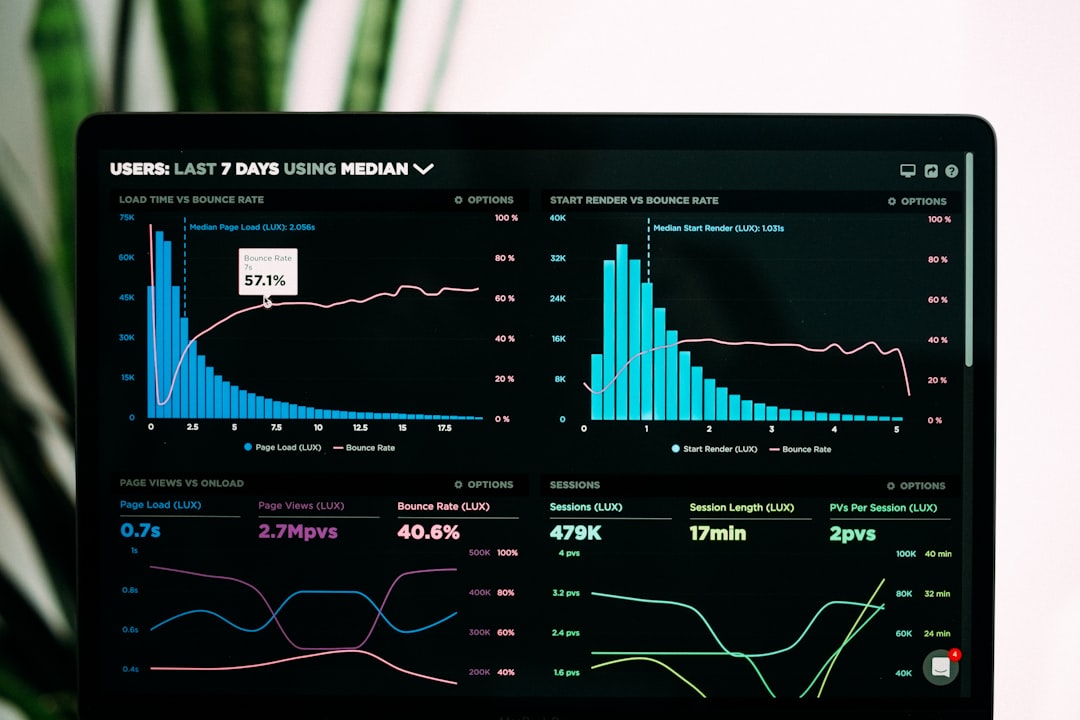
Here are a few trends coming fast:
- Personal AI copilots: Every worker may have a digital helper.
- Real time operations: Companies will adjust pricing, staffing, and stock instantly.
- Voice based AI: People will talk to business systems like they talk to coworkers.
- Stronger AI governance: Rules, audits, and safety checks will become normal.
- Human plus AI teams: AI will handle routine action. Humans will guide strategy and ethics.
How to Start With Proactive AI
You do not need to automate the whole company on day one. Please do not. Start small. Pick one annoying problem.
Good starter projects include:
- Predicting customer churn.
- Sending delivery alerts.
- Scoring sales leads.
- Detecting payment risk.
- Recommending support replies.
Set a clear goal. Measure results. Keep humans involved. Then expand.
Final Thoughts
Proactive AI is a big shift. It moves AI from answer machine to action partner. It helps businesses spot problems, serve people better, and move faster.
The best part is simple. Proactive AI gives teams more time to do human things. Think. Create. Build trust. Make smart choices. Maybe even take a lunch break.
That future sounds pretty good.