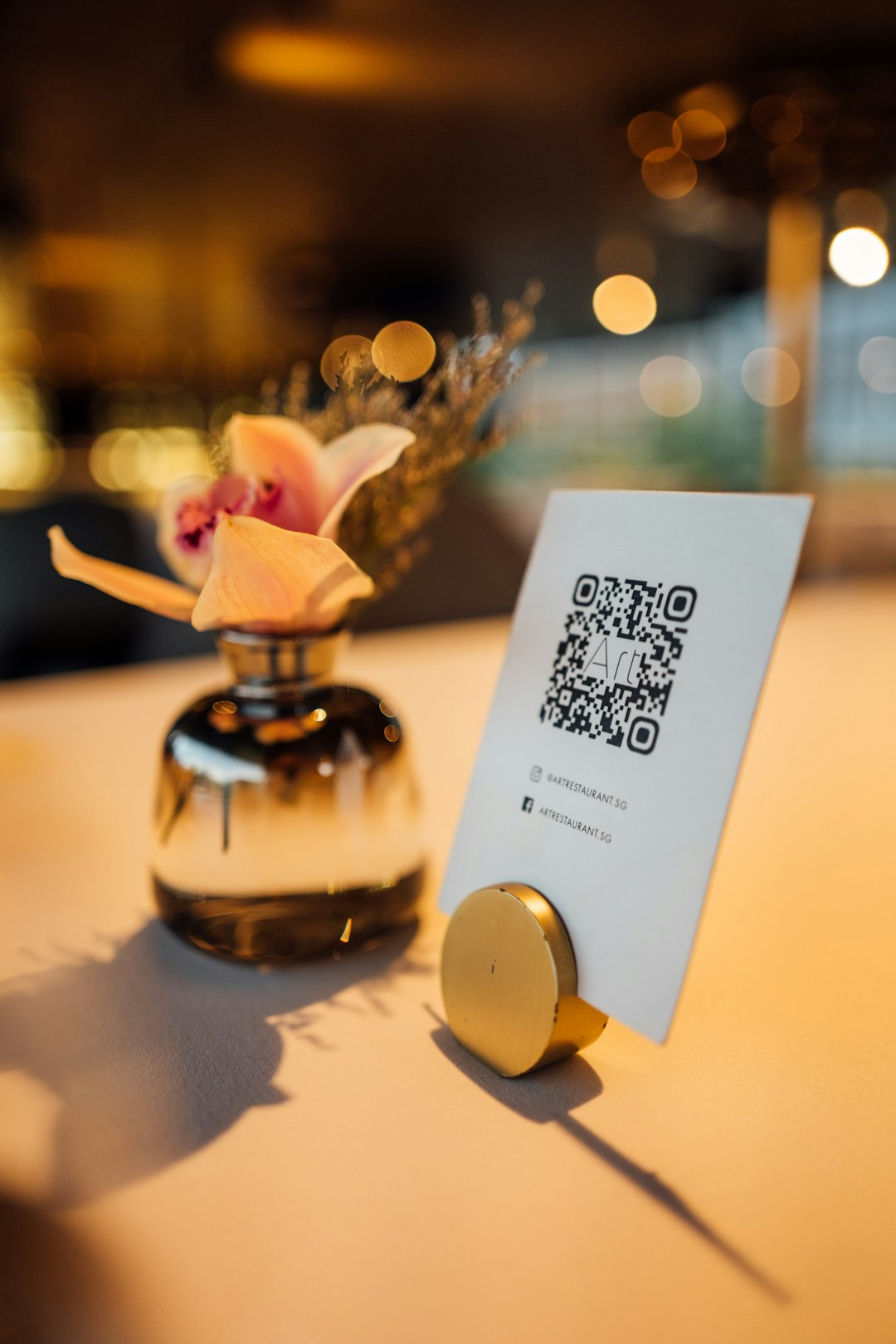
QR code ordering has moved from a temporary convenience to a permanent part of modern service. In restaurants, cafés, hotels, stadiums, and entertainment venues, customers increasingly expect to scan, browse, customize, order, and pay with minimal friction. When implemented carefully, these systems do more than replace printed menus; they reshape the entire customer journey by giving guests greater control, improving operational efficiency, and creating more consistent service experiences.
TLDR: QR code ordering systems are changing customer experiences by making service faster, more flexible, and more transparent. Customers can view updated menus, customize items, place orders, and often pay directly from their phones. Businesses benefit from fewer ordering errors, better staff productivity, and useful data insights. However, successful adoption depends on reliability, accessibility, clear design, and maintaining human service where it matters most.
A Shift From Static Menus to Interactive Service
Traditional menus are fixed, printed, and limited by space. QR code ordering systems transform the menu into a dynamic digital interface. Prices, photos, descriptions, allergen information, sold-out items, and promotions can be updated in real time without reprinting anything. This gives customers more accurate information and helps businesses respond quickly to changing supply costs, seasonal ingredients, or operational constraints.
For customers, this shift reduces uncertainty. A guest can see whether an item is vegetarian, gluten-free, spicy, or customizable before asking a server. In a busy environment, that information can make the ordering process feel more comfortable and less rushed. For international guests, digital menus can also offer multiple languages, making the experience more inclusive and easier to navigate.
Greater Speed and Convenience
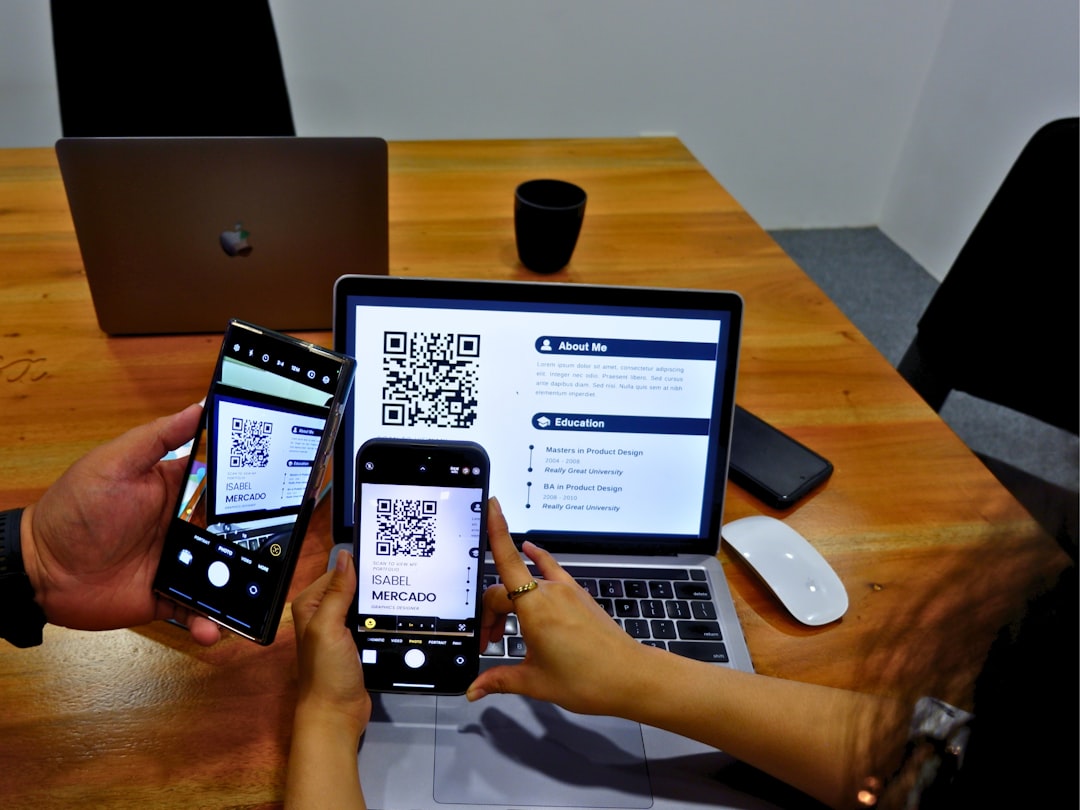
One of the most visible changes is speed. Customers no longer need to wait for a server to bring a menu, return to take an order, or process a payment. In many QR code ordering systems, the customer can complete each step independently. This is especially valuable during peak hours, when staff may be stretched across many tables or service points.
Convenience also extends beyond restaurants. In hotels, guests can scan a QR code in their room to order food, request housekeeping items, or book amenities. At stadiums and cinemas, customers can order from their seats and receive notifications when items are ready. In casual dining settings, QR ordering reduces queues and gives customers more time to make informed choices.
The result is not simply faster ordering; it is a greater sense of control. Customers can order when they are ready, add items later, and review their selections before submitting them. This reduces pressure and improves confidence, particularly for guests ordering for a group or managing dietary preferences.
Improved Order Accuracy
Miscommunication has long been a source of frustration in service environments. A server may mishear an order, forget a modification, or enter the wrong item during a rush. QR code ordering reduces this risk by allowing customers to input their own selections and review them before confirmation.
For businesses, improved accuracy can reduce waste, refunds, complaints, and kitchen disruption. For customers, it creates trust. When a guest chooses “no onions,” selects a preferred cooking temperature, or adds a note about an allergy, the system can send that information directly to the kitchen or preparation team. This creates a clearer chain of communication.
However, accuracy depends on thoughtful system design. Menus should make options easy to understand, avoid confusing add-ons, and clearly display the final order before checkout. A poorly designed digital ordering flow can create new mistakes, so businesses must regularly test the customer experience and adjust based on feedback.
Personalization and Better Decision-Making
QR code ordering systems can help customers make better decisions by presenting relevant information at the right moment. High-quality photos, ingredient descriptions, pairing suggestions, nutritional details, and customer favorites can guide choices without overwhelming the guest.
Personalization can also improve repeat visits. If customers choose to create an account or connect to a loyalty program, the system may remember previous orders, preferred payment methods, favorite locations, or dietary preferences. Used responsibly, this can make future ordering faster and more relevant.
Businesses must handle personalization carefully. Customers appreciate convenience, but they also care about privacy. Clear consent, transparent data practices, and secure payment processing are essential. A trustworthy QR ordering experience should never feel intrusive or manipulative.
Operational Benefits That Customers Can Feel
Although QR systems are often discussed as operational tools, their strongest impact is felt by customers. When staff spend less time taking routine orders and processing payments, they can focus more on hospitality, problem-solving, cleanliness, and quality control. This can improve the atmosphere of the venue.
For example, staff can spend more time welcoming guests, explaining signature items, checking satisfaction, assisting customers who need help, and managing exceptions. In this way, QR ordering does not have to remove the human element. Instead, it can redirect human effort toward higher-value interactions.
- Shorter wait times: Orders can be submitted immediately, even when staff are busy.
- Reduced pressure on employees: Teams can manage larger volumes with fewer repetitive tasks.
- More consistent service: Digital menus present the same information to every customer.
- Better table turnover: Faster ordering and payment can reduce delays in busy venues.
- Improved issue handling: Staff may have more capacity to resolve problems quickly.

Changing Expectations Around Payment
Payment is one of the areas where QR ordering has significantly changed expectations. In traditional service, customers may wait after finishing a meal to request the bill, wait again for the bill to arrive, and wait once more for a card terminal or change. QR payment shortens this process.
Customers can usually split bills, add tips, apply discounts, redeem loyalty rewards, and receive digital receipts. These features make the end of the experience smoother and reduce a common source of frustration. In fast-paced settings, the ability to pay and leave without delay can be a major advantage.
That said, payment design must remain transparent. Fees, service charges, taxes, and tips should be clearly displayed before confirmation. Customers should not feel trapped into tipping or surprised by unexpected charges. A serious and trustworthy QR ordering system supports convenience without sacrificing clarity.
Accessibility and Inclusion Considerations
QR code ordering can improve accessibility for some customers, but it can create barriers for others. People who are comfortable with smartphones may find digital menus easier to enlarge, translate, or navigate. However, customers without smartphones, with low battery, with limited digital literacy, or with certain disabilities may struggle.
Businesses should avoid assuming that QR ordering works for everyone. A printed menu, staff assistance, or an alternative ordering method should remain available. This is not only a matter of courtesy; in many markets, accessibility expectations and legal requirements are becoming more important.
Digital design also matters. Menus should use readable fonts, strong contrast, logical categories, clear buttons, and compatibility with screen readers where possible. Customers should not have to download an app unless there is a strong reason. A browser-based experience is often more convenient and inclusive.
Reducing Physical Contact and Supporting Cleanliness
During the pandemic, QR code menus became widely adopted because they reduced the need to handle shared printed materials. While health concerns are no longer the only driver, many customers still appreciate a cleaner, lower-contact option. Digital menus can support hygiene standards by reducing the circulation of laminated menus, paper inserts, and payment devices.
In addition, QR ordering can make service processes more organized. Orders flow directly into point-of-sale or kitchen systems, reducing the need for handwritten notes or repeated handling of paper tickets. This supports a more controlled and efficient environment, which customers may notice through faster service and fewer visible delays.
The Role of Data in Customer Experience
QR code ordering systems generate valuable data about what customers order, when they order, which items they customize, and where delays occur. Used ethically, this information can help businesses improve the customer experience. For example, a restaurant may discover that a popular lunch item frequently sells out too early, or that customers abandon orders when a menu section is confusing.
Data can also support better inventory management. If a kitchen can forecast demand more accurately, customers are less likely to encounter unavailable items. Menus can be adjusted based on performance, and promotions can be targeted toward items that need attention.
However, responsible data use is essential. Businesses should collect only what is necessary, protect customer information, and comply with relevant privacy laws. Trust is a central part of customer experience, and misuse of data can damage a brand quickly.

Risks of Over-Automation
Despite the advantages, QR code ordering is not automatically better in every situation. Some customers visit restaurants or hospitality venues because they value personal service. If QR systems are used as a replacement for hospitality rather than a support tool, the experience can feel impersonal.
There is also a risk of technical failure. Poor internet connectivity, broken links, slow-loading menus, payment errors, or unclear interfaces can frustrate customers more than traditional service would. A QR system must be reliable, tested, and supported by trained staff who can step in immediately when problems arise.
The best implementations balance digital efficiency with human care. Customers should feel that technology is making their experience easier, not that the business is shifting work onto them without support.
What Businesses Should Prioritize
To create a strong QR ordering experience, businesses should focus on practical quality rather than novelty. The technology should be simple, fast, secure, and aligned with the brand’s service standards.
- Make scanning effortless: Place QR codes where customers naturally look, such as tables, counters, room directories, or seat backs.
- Keep menus clear: Use logical categories, concise descriptions, accurate item availability, and transparent pricing.
- Offer help visibly: Make it clear that customers can ask staff for assistance or order another way.
- Test the full journey: Review scanning, browsing, ordering, payment, confirmation, and receipt delivery regularly.
- Protect trust: Use secure payment systems and explain privacy practices in plain language.
The Future of QR Code Ordering
QR code ordering is likely to become more integrated with loyalty programs, kitchen automation, customer feedback tools, and artificial intelligence. Future systems may offer more accurate recommendations, predictive wait times, personalized promotions, and better multilingual support. In larger venues, QR ordering may connect with location-based delivery, allowing customers to receive items wherever they are seated.
Still, the core principle will remain the same: technology must serve the customer. The most successful systems will not be the most complex; they will be the ones that remove friction while preserving confidence, choice, and hospitality.
Conclusion
QR code ordering systems are changing customer experiences by giving people faster access to information, more control over ordering, and smoother payment options. They help businesses improve accuracy, efficiency, and responsiveness, but they also introduce responsibilities around accessibility, privacy, reliability, and service quality.
When implemented thoughtfully, QR ordering does not weaken the customer relationship. It can strengthen it by making service more transparent, flexible, and dependable. The key is to treat QR technology not as a replacement for hospitality, but as a tool that allows hospitality to become more focused, informed, and responsive.