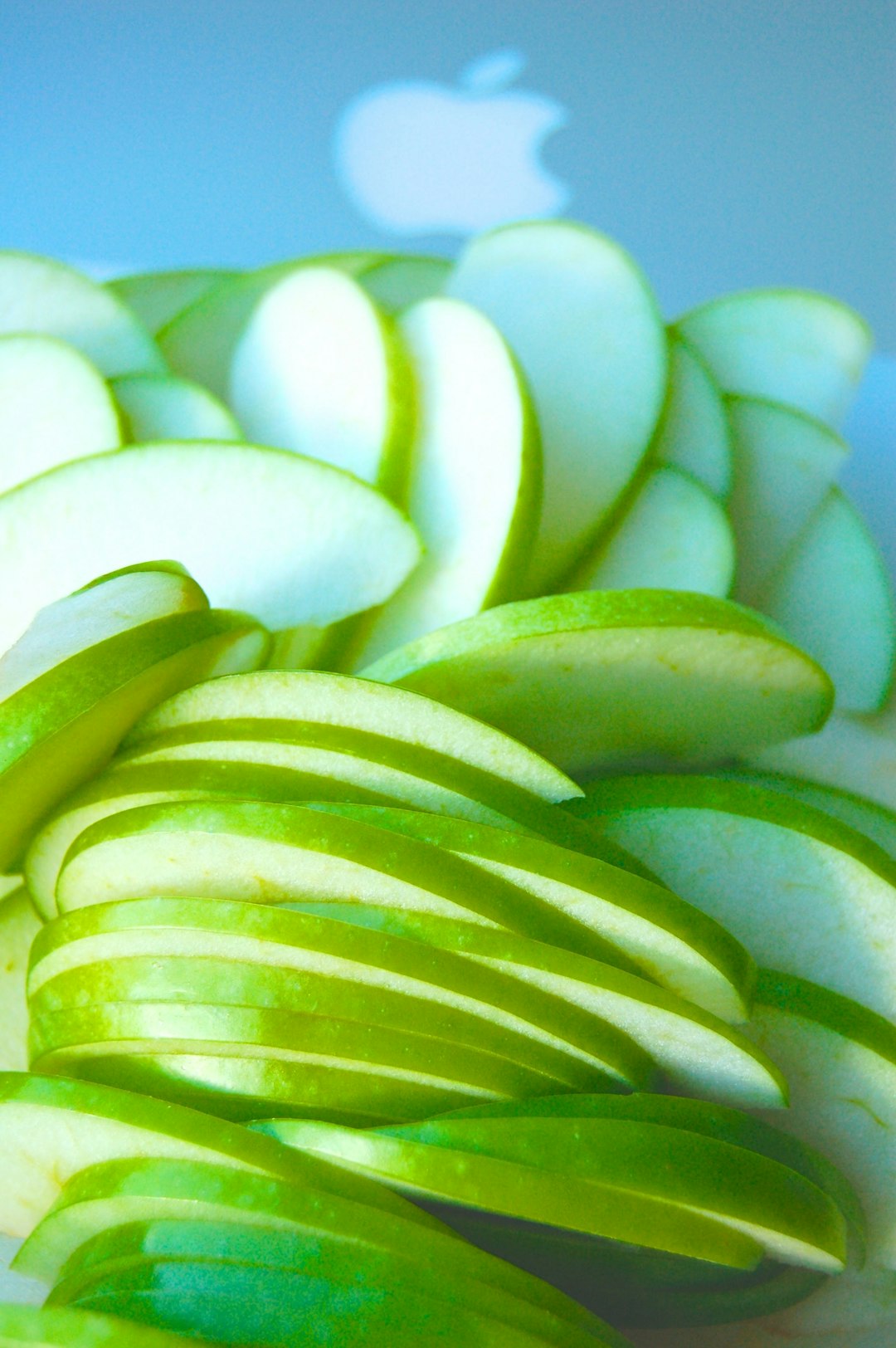
In foodservice, concession, and high-volume kitchen settings, the name Apple Hacker Deluxe 8-Slice Gold Medal generally refers to a commercial apple cutter designed to core an apple and divide it into eight uniform wedges in one downward motion. Although the term “hacker” may sound unusual outside the industry, it is commonly used to describe a manual cutting device that “hacks” or sections fruit quickly and consistently. This type of tool is especially relevant for caramel apple preparation, school food programs, salad bars, bakeries, catering operations, and any business that needs repeatable apple portions without relying on a knife for every piece.
TLDR: The Apple Hacker Deluxe 8-Slice Gold Medal is a manual apple corer and slicer that cuts apples into eight wedges while removing the core. It is typically used in commercial or semi-commercial food preparation where speed, consistency, and safety matter. Its main value is not complexity, but reliability: it helps produce uniform apple slices faster than hand cutting. Buyers should confirm the exact model, blade size, construction materials, and replacement part availability before purchasing.
What the Product Is
The Apple Hacker Deluxe 8-Slice is best understood as a specialized piece of prep equipment. It is not an electronic appliance, a computer-related product, or a consumer gadget in the modern technology sense. Instead, it is a mechanical kitchen tool: the user places an apple beneath the cutting head, applies force through a handle or lever, and the blade assembly cuts through the fruit.
The phrase “8-Slice” indicates the cutting pattern. The apple is divided into eight wedge-shaped pieces, usually with the core removed in the same stroke. The “Deluxe” part of the name usually suggests a heavier-duty or enhanced version compared with a simpler apple slicer. The “Gold Medal” reference points to Gold Medal Products, a company known for concession and foodservice equipment, particularly items used in popcorn, cotton candy, caramel apple, and snack operations.
For many businesses, this kind of equipment fills a practical gap. A standard handheld apple slicer may work well in a home kitchen, but it may not be durable or efficient enough when dozens or hundreds of apples must be processed. A commercial apple hacker is intended to be more stable, faster, and easier to use repeatedly.
How It Works
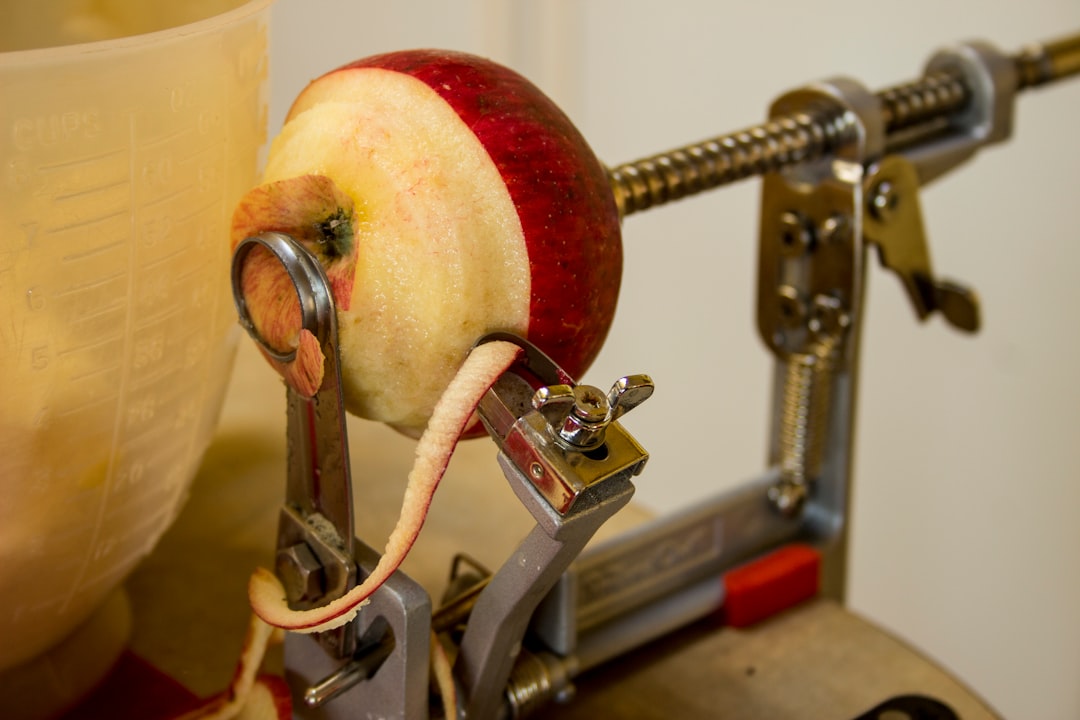
The operation is straightforward, which is one reason tools like this remain common in foodservice. The apple is positioned upright, usually centered under the blade grid. The operator then pulls down the handle or pressing mechanism. As the apple passes through the blade assembly, the circular center blade removes the core while the radial blades divide the fruit into eight sections.
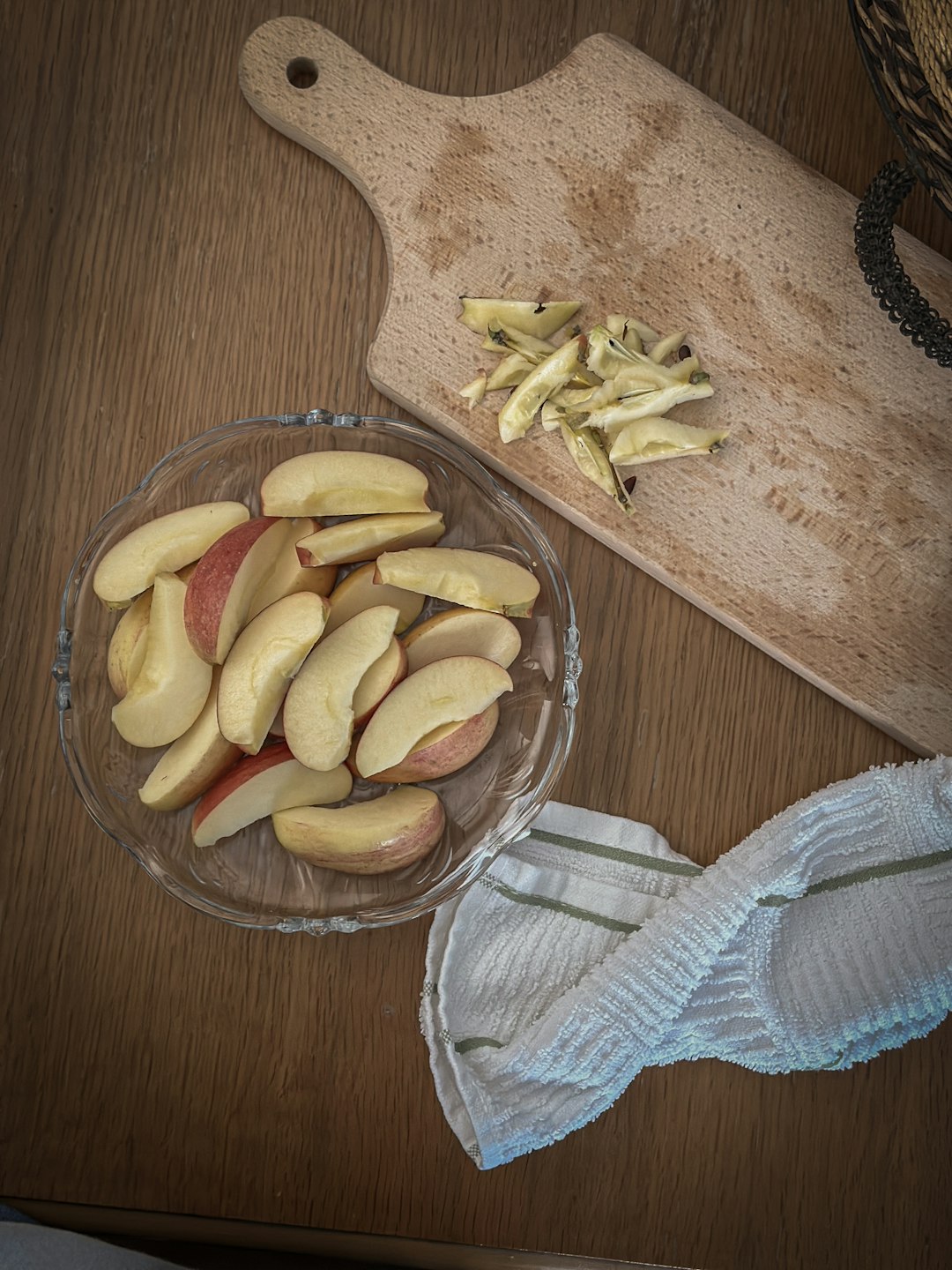
The result is a set of consistent apple wedges that can be served immediately, dipped, packaged, cooked, or used in recipes. Uniform pieces are valuable because they look professional and behave predictably during preparation. For example, apple slices of similar thickness cook more evenly in baked goods and present better on trays or in retail containers.
Most users choose a tool like this for three core advantages:
- Speed: One motion can replace several knife cuts.
- Consistency: Each apple is cut into the same number of pieces with a similar appearance.
- Safety: The operator’s hands are generally kept away from the cutting edges when the tool is used correctly.
Who Typically Uses It?
The Apple Hacker Deluxe 8-Slice Gold Medal is particularly useful for organizations that process apples regularly. It may be found in concession stands, cafeterias, school kitchens, restaurants, bakeries, farm markets, produce counters, and concession trailers. It is also relevant for businesses that sell caramel apples and want to prepare apples quickly before dipping, decorating, or packaging.
While a home user could certainly appreciate a sturdy apple cutter, the product is more naturally suited to environments where repeat use matters. In a household, a simple handheld slicer may be enough. In a business, however, durability, workflow efficiency, cleanability, and replacement blades become more important.
Examples of likely applications include:
- Caramel apple preparation: Apples may be sliced for tasting portions, trays, or ready-to-eat snack packs.
- School lunch programs: Children often find sliced apples easier to eat than whole apples, which can reduce waste.
- Catering and buffets: Uniform slices improve presentation and portion control.
- Bakeries: Pre-cut wedges can speed preparation for pies, tarts, fillings, or toppings.
- Produce departments: Consistent slices support sampling and packaged fresh fruit programs.
Why “8-Slice” Matters
The number of slices is more than a descriptive detail. Eight wedges is a practical size for many apples because it creates pieces that are large enough to hold their shape but small enough to eat comfortably. Sixteen slices may be too thin for some uses, while four slices may be too large for snack portions. Eight is a balanced pattern for serving, dipping, and cooking.
However, not every apple variety behaves the same way. Very large apples may still produce thick wedges, while small apples may produce narrow pieces. Softer apples can crush or tear if the blade is dull or if excessive force is applied. Firmer varieties usually produce cleaner cuts, provided the blade assembly is sharp and properly aligned.
For optimal results, operators should use apples that are fresh, firm, and appropriately sized for the cutting head. If the apple is too large for the cutter, forcing it through can damage the blade or create a safety risk. If the apple is too small or oddly shaped, the cut may be uneven.
Key Features to Look For
Because model names and specifications can vary by distributor, buyers should review the exact product listing or manufacturer documentation before purchasing. Still, a serious evaluation should focus on several practical features.
- Blade construction: Stainless steel or corrosion-resistant blades are preferable for food preparation and cleaning.
- Frame stability: A heavier frame or secure mounting design helps prevent movement during use.
- Cutting diameter: The maximum apple size should match the varieties most often used by the business.
- Ease of cleaning: Food particles and juice can collect around blades, so access for cleaning is important.
- Replacement parts: Blades can dull over time. Availability of replacement blade assemblies is a major long-term consideration.
- Operator comfort: A comfortable handle and smooth pressing action reduce fatigue in high-volume use.
A low-cost cutter may seem attractive at first, but if it bends, slips, dulls quickly, or is hard to sanitize, it may cost more in the long run. For foodservice settings, the best product is usually the one that performs consistently, cleans efficiently, and can be maintained over time.
Food Safety and Cleaning Considerations
Any tool that cuts fresh produce must be handled with proper sanitation procedures. Apples can carry dirt, wax, pesticide residue, or microorganisms on the skin. Before cutting, apples should be washed according to applicable food safety guidelines. The cutter itself should also be cleaned and sanitized regularly, especially between batches or when switching tasks.
After use, apple juice and pulp can dry around the blade assembly. If not removed, this residue can attract pests, encourage bacterial growth, and make the next use less hygienic. Operators should follow the manufacturer’s cleaning instructions, but the general principle is simple: remove visible debris, wash with appropriate detergent, rinse, sanitize if required, and allow the equipment to dry completely.
Because the blades are sharp, cleaning should be done carefully. Staff should never wipe directly across cutting edges with bare hands. A brush, spray rinse, or designated cleaning tool is safer. In commercial settings, employees should be trained on both operation and cleaning, not just on how to make the cut.
Safety in Daily Operation
Although an apple hacker can be safer than repeated knife work, it is still a cutting device. The most common risks involve placing fingers too close to the blade, using excessive force, attempting to cut oversized fruit, or cleaning carelessly. The equipment should be placed on a stable surface, and any suction feet, clamps, or mounting hardware should be used as intended.
Operators should inspect the cutter before use. Loose parts, bent blades, unstable frames, or missing guards can increase risk. A dull blade is also a safety issue because it may require more force, increasing the chance of slipping or crushing the fruit unpredictably.
Good operating practices include:
- Centering the apple before pressing.
- Keeping hands away from the cutting path.
- Using steady downward pressure rather than sudden impact.
- Stopping immediately if the apple jams.
- Replacing damaged or dull blades promptly.
Advantages Compared With Knife Cutting
A skilled cook can cut apples quickly with a knife, but manual knife work still varies by worker, fatigue level, fruit size, and time pressure. An apple hacker reduces that variation. For businesses, this can translate into better portion control and a more professional appearance.
Another major advantage is labor efficiency. If a cafeteria needs to prepare hundreds of apple portions before service, shaving even a few seconds from each apple can matter. The tool also makes the process easier to teach to new staff, since the cutting pattern is built into the equipment.
That said, the apple hacker is not a complete replacement for knives. It performs one task very well: coring and slicing apples into eight wedges. It will not peel apples, dice them, create different slice thicknesses, or handle every fruit size. For kitchens that need varied cuts, it should be viewed as a complementary tool rather than a universal solution.
Possible Limitations
No equipment is ideal for every situation. The Apple Hacker Deluxe 8-Slice Gold Medal may be unnecessary for operations that cut apples only occasionally. It also requires storage space and proper cleaning. If the machine is not cleaned thoroughly, its convenience can be offset by sanitation concerns.
Another limitation is dependence on blade condition. Sharp blades produce clean wedges; dull blades can bruise fruit or require too much force. Over time, operators should expect blade maintenance or replacement. Businesses should confirm whether replacement blade assemblies are easy to obtain and whether they are cost-effective.
Apple variety can also affect performance. Crisp, firm apples often cut cleanly, while mealy, overripe, or very soft apples may break down. Extremely hard apples may require more force. Testing the cutter with the varieties used most often is a sensible step before committing to a large workflow change.
What to Verify Before Buying
Before purchasing, buyers should avoid relying on the name alone. Product names can be abbreviated, reused, or listed differently by suppliers. A responsible buyer should verify the exact specifications, including dimensions, cutting diameter, materials, warranty terms, cleaning instructions, and compatibility with replacement parts.
It is also wise to check whether the unit is intended for light duty, regular commercial use, or heavy-volume production. A concession operator preparing apples for occasional events may have different needs than a school district or produce department using the cutter every day.
If food safety certification or compliance documentation is required in your jurisdiction or organization, request that information from the seller before purchase. Commercial kitchens often need equipment that satisfies internal health and safety standards, even for simple manual tools.
Bottom Line
The Apple Hacker Deluxe 8-Slice Gold Medal is a practical manual apple corer and slicer designed to create eight consistent wedges quickly. Its value lies in simplicity, repeatability, and durability rather than advanced technology. For the right setting, it can reduce prep time, improve presentation, and make apple portioning more consistent.
For serious buyers, the key is to evaluate it as foodservice equipment, not just as a kitchen accessory. Confirm the build quality, cleaning process, blade availability, and suitability for your apple size and production volume. When selected and maintained properly, an 8-slice apple hacker can be a dependable tool in a professional prep workflow.