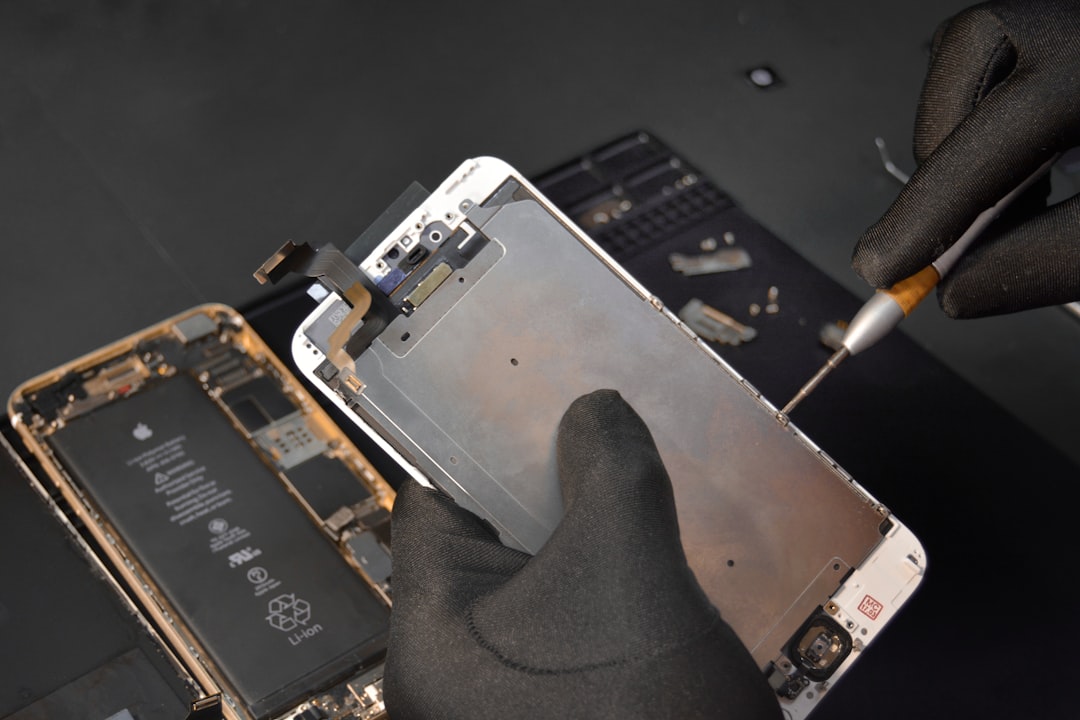
Every year, millions of used phones and tablets leave drawers, offices, schools, repair shops, and carrier stores and enter a carefully managed recovery stream. A responsible recycling program does far more than collect old devices: it protects personal data, identifies equipment that can be reused, recovers valuable materials, and prevents hazardous components from entering landfills. Understanding how the process works helps consumers and organizations make better decisions about where their devices go and what happens after handoff.
TLDR: Used phone and tablet recycling begins with secure collection, followed by inspection, data removal, testing, and sorting. Devices that still have value are refurbished and resold or donated, while nonworking units are dismantled for parts and material recovery. Reputable recyclers follow documented procedures for data security, environmental compliance, and downstream accountability. The best outcome is reuse first, then responsible recycling when reuse is no longer practical.
Why Phone and Tablet Recycling Matters
Phones and tablets are small, but they contain a complex mix of materials: aluminum, copper, glass, lithium, cobalt, nickel, gold, rare earth elements, plastics, adhesives, and circuit boards. Mining and refining these materials require energy, water, and labor. When working devices are discarded too early, society loses both the physical resources inside the product and the energy already invested in manufacturing it.
There is also a safety issue. Mobile devices usually contain lithium ion batteries, which can overheat, swell, or catch fire if crushed or handled improperly. In addition, circuit boards and screens may contain substances that should not be released into soil or water. Proper recycling reduces these risks by moving devices through controlled facilities instead of general waste streams.
For businesses, schools, hospitals, and government agencies, recycling also has a compliance dimension. Used devices may contain customer records, employee information, payment data, health information, location history, photographs, or account credentials. A trustworthy recycling process must address data security before resale, donation, parts harvesting, or material recovery.
Step 1: Collection and Intake
The process begins when a user, company, retailer, carrier, repair center, or public collection program sends devices to a recycler or refurbisher. Collection may happen through mail back kits, trade in counters, bulk pickup, IT asset disposition programs, municipal recycling events, or donation drives.
At intake, devices are typically logged into a tracking system. This may include the model, serial number, International Mobile Equipment Identity number, condition, included accessories, and source of the shipment. For larger clients, recyclers may provide a chain of custody record showing when the devices were received, who handled them, and what final disposition each unit received.
Serious operators do not treat intake as a casual drop off. They establish a controlled receiving process because the items may still contain sensitive data and rechargeable batteries. Devices are often stored in secure areas with restricted access, surveillance, and inventory controls until they are processed.
Step 2: Initial Sorting and Condition Assessment
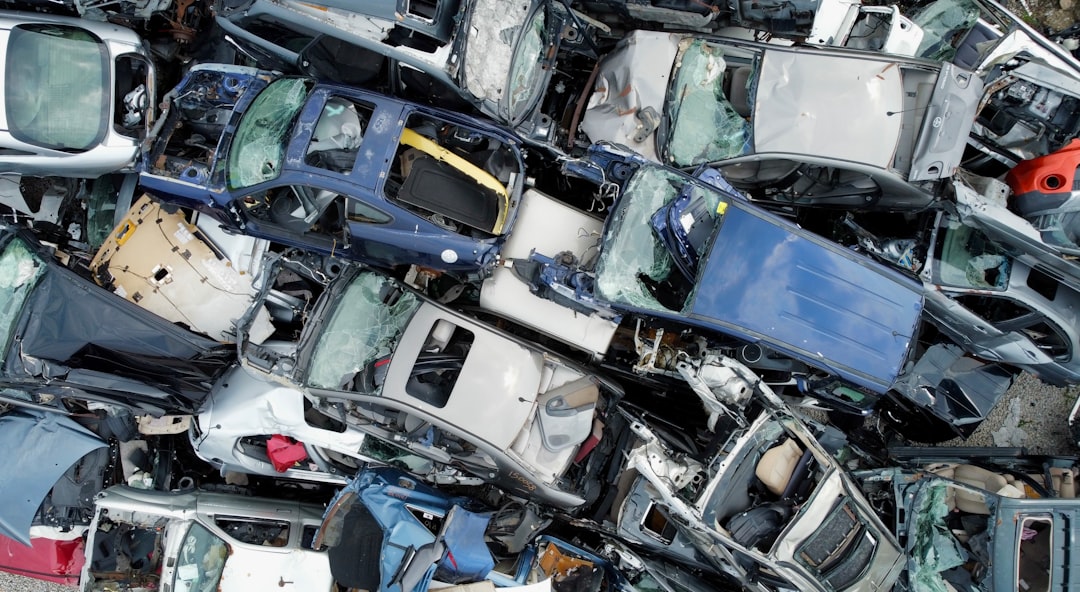
Once devices are received, technicians sort them by category and condition. A basic sort may separate phones from tablets, Apple devices from Android devices, working devices from damaged ones, and battery swelling cases from normal units. Devices with cracked screens, liquid damage, missing buttons, dead batteries, or locked accounts may be routed differently from units that power on and pass diagnostic checks.
This stage is important because the most environmentally beneficial outcome is usually continued use. A phone that can be refurbished and used for two more years avoids the need to manufacture another device for that user. Therefore, responsible recycling programs often follow a hierarchy:
- Reuse: Resell, redeploy, or donate fully functional devices.
- Repair and refurbishment: Replace batteries, screens, ports, or other components to restore function.
- Parts recovery: Remove usable cameras, boards, screens, housings, or buttons for repair markets.
- Materials recycling: Recover metals, plastics, and glass from units that cannot be economically reused.
- Responsible disposal: Safely manage residues that cannot be recovered.
Good sorting prevents unnecessary destruction. At the same time, it ensures damaged batteries, badly broken devices, and units with safety concerns are handled with the right equipment and procedures.
Step 3: Data Security and Device Unlocking
Data removal is one of the most critical steps in the recycling process. A factory reset is helpful, but it is not always enough, especially for organizations that must meet strict security standards. Professional recyclers use established data sanitization procedures, record the result, and often issue a certificate when data erasure or destruction is complete.
For phones and tablets, data security typically includes several actions:
- Removing accounts: Devices may need to be disconnected from services such as Apple ID, Google accounts, mobile device management systems, or carrier locks.
- Erasing user data: Technicians perform verified wipes using approved tools or manufacturer reset procedures.
- Testing lock status: Devices are checked for activation locks, passcodes, enrollment profiles, or anti theft features.
- Destroying storage when needed: If a device cannot be securely erased, it may be physically destroyed or processed for material recovery.
For individual consumers, the safest preparation is to back up important information, sign out of cloud services, remove SIM and memory cards, disable tracking features, and perform a factory reset before sending the device in. However, a reputable recycler should still verify and document erasure rather than assuming the user completed every step correctly.
Step 4: Diagnostic Testing and Grading
After data handling, devices that may be reused go through diagnostic testing. Technicians or automated systems check display quality, touch responsiveness, cameras, microphones, speakers, buttons, charging ports, wireless connectivity, sensors, battery health, and overall performance. This testing determines whether a device can be sold as is, repaired, used for parts, or recycled.
Devices are then assigned a grade. Although grading systems vary, they often include categories such as excellent, good, fair, poor, or nonfunctional. Cosmetic details matter because they influence resale value. A tablet with a clean screen and strong battery may be suitable for direct resale, while a phone with deep scratches and a weak battery may need refurbishment before it can be offered to another user.
Reliable grading protects both buyers and sellers. It sets realistic expectations, reduces returns, and helps recyclers choose the most responsible path for each unit.
Step 5: Refurbishment and Repair
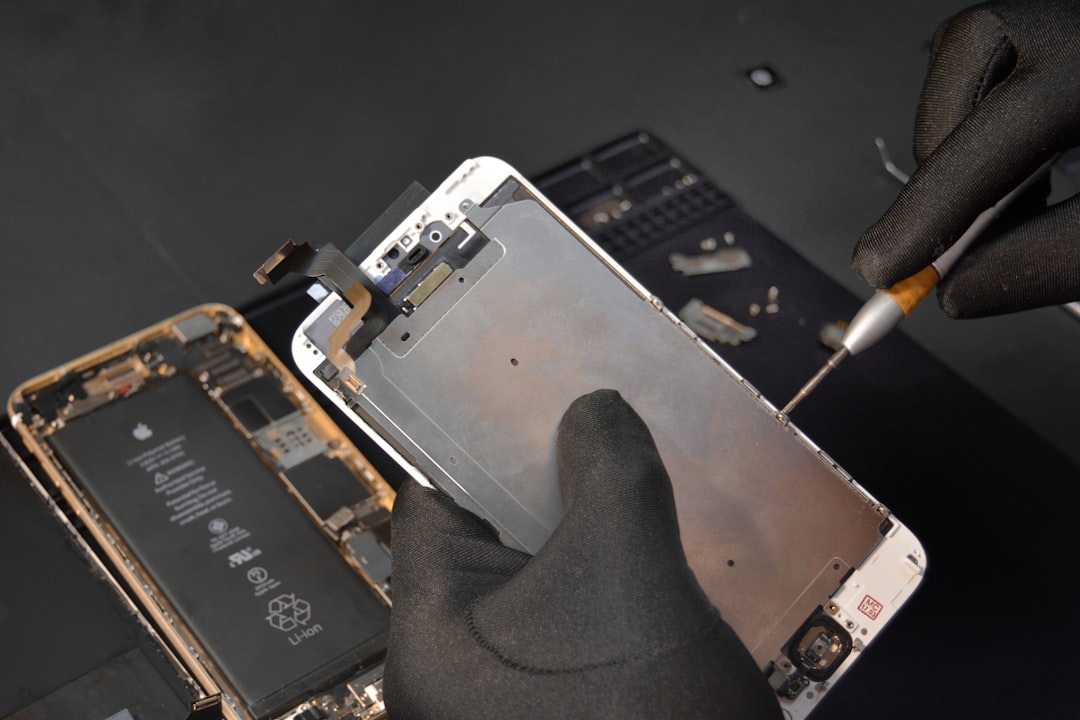
Refurbishment can range from light cleaning to advanced component replacement. A phone may simply need a software update, a new charging cable, and exterior cleaning. Another may require a battery replacement, screen assembly, camera module, speaker, or charging port. Tablets often need battery work, glass replacement, or housing repair.
During refurbishment, technicians may use original, equivalent, or responsibly sourced parts depending on the device, market, and warranty requirements. They also clean the device, update software where appropriate, reinstall operating systems, and perform post repair testing. Accessories such as chargers are inspected or replaced to meet safety expectations.
Not every device should be repaired. If the cost of parts and labor exceeds the likely resale value, or if the device no longer receives security updates, repair may not be the best outcome. In that case, the recycler may harvest usable parts and recycle the remaining materials. A trustworthy program evaluates both economic and environmental factors rather than automatically choosing the fastest option.
Step 6: Resale, Donation, or Redeployment
When a device passes testing and refurbishment, it can reenter the market. Some units are sold through wholesale channels, online marketplaces, certified pre owned programs, repair shops, or international distributors. Others are donated to schools, community organizations, emergency support programs, or digital inclusion initiatives.
For businesses, redeployment is another valuable option. A company may send in a batch of tablets, have them wiped and tested, then receive back the usable units for internal reuse. This can reduce procurement costs and extend the value of existing technology assets.
Reuse has several benefits:
- Lower environmental impact: Extending device life reduces demand for new manufacturing.
- Lower cost: Refurbished devices make technology more affordable.
- Improved access: Donated or low cost devices can support education, work, and communication.
- Better resource efficiency: A whole working device is usually more valuable than the raw materials inside it.
However, resale and donation should be handled responsibly. Devices should be accurately described, free of previous owner data, tested for normal function, and packaged safely. If warranties or return policies are offered, they should be clear.
Step 7: Parts Harvesting
Devices that cannot be sold as complete units may still contain useful components. Screens, buttons, antennas, speakers, cameras, vibration motors, housings, and internal boards may be removed and tested. These parts can support the repair of other devices, reducing demand for newly manufactured components.
Parts harvesting is especially important for older models where replacement parts are scarce. A working camera module from a damaged phone, for example, can help repair another unit that would otherwise be discarded. This approach supports a more circular electronics economy, where products and components remain in service for as long as practical.
Step 8: Material Recycling and Recovery
When reuse and parts recovery are no longer viable, devices move to material recycling. This stage requires specialized handling. Batteries are removed and processed separately because lithium ion cells pose fire and chemical risks. Screens, casings, circuit boards, cables, and other components are separated into material streams.
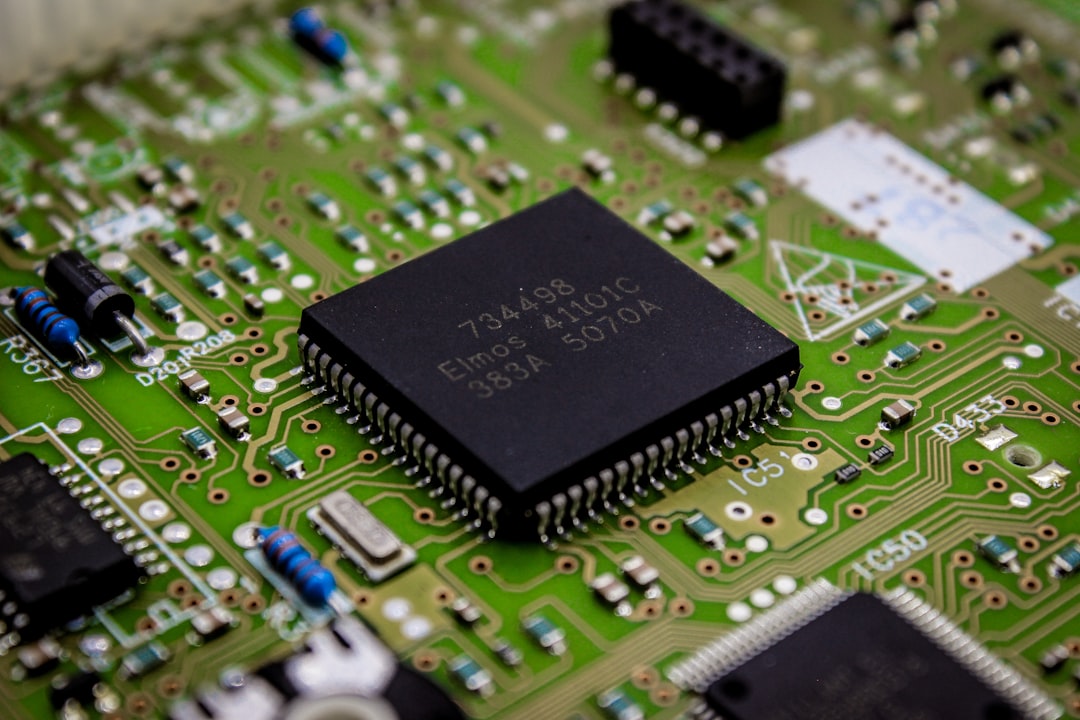
Circuit boards are particularly valuable because they contain copper, gold, silver, palladium, and other recoverable metals. These boards are usually sent to specialized smelters or refiners that can recover metals under controlled environmental conditions. Aluminum housings may be recycled into new metal products. Some plastics can be sorted and recycled, although mixed plastics and adhesives can make recovery difficult.
Glass from screens is more challenging because mobile displays are often laminated with coatings, touch layers, and adhesives. Even so, responsible recyclers seek the best available destination for each material stream rather than mixing everything into general waste.
What Happens to Batteries?
Batteries receive special attention throughout the process. Swollen, punctured, overheated, or damaged lithium ion batteries must be isolated and handled according to safety rules. Even intact batteries must be protected from short circuits during storage and transport.
Battery recyclers recover materials such as cobalt, nickel, copper, aluminum, and lithium compounds, depending on the technology used. The supply chain for battery recycling is becoming more important as demand for portable electronics and electric vehicles grows. Proper battery recovery helps reduce fire risk and supports more responsible sourcing of critical minerals.
How to Identify a Responsible Recycler
Not all recycling programs operate at the same standard. Before handing over devices, especially in bulk, look for evidence of professional controls. Important indicators include:
- Documented data destruction: The recycler can explain its erasure process and provide certificates when needed.
- Environmental certifications: Recognized electronics recycling certifications indicate audited management systems and downstream controls.
- Transparent reporting: Clients can receive asset reports, resale summaries, or recycling documentation.
- Secure facilities: Access controls, inventory tracking, and chain of custody procedures are in place.
- No landfill promises backed by process: Claims should be supported by real downstream recycling partners, not marketing language alone.
- Battery safety procedures: Staff know how to package, store, and transport lithium ion batteries safely.
For consumers, a reputable trade in program, carrier store, manufacturer return program, municipal electronics program, or certified recycler is generally safer than placing devices in household trash or unverified collection boxes.
Preparing Your Phone or Tablet for Recycling
Before sending in a device, take a few practical steps. Back up photos, contacts, documents, and messages. Sign out of cloud accounts. Turn off device tracking and activation locks. Remove SIM cards and memory cards. Perform a factory reset. If the device belongs to an employer, follow internal IT procedures rather than resetting it independently.
Clean the device lightly, but do not attempt to open it unless you are qualified. If the battery is swollen or the device is hot, leaking, or damaged, stop using it and ask the recycler for special handling instructions. Shipping a damaged lithium ion battery without proper packaging can be dangerous and may violate transport rules.
The Bigger Picture: Reuse Before Recycling
The phrase “phone recycling” often makes people think of shredding and melting, but the best programs focus first on reuse. A working phone or tablet has social, economic, and environmental value that far exceeds the value of its raw metals. Recycling becomes essential when a device is no longer safe, functional, supported, or repairable.
A well managed recycling chain turns an unwanted device into an opportunity: someone else may receive affordable technology, repair shops may gain needed parts, and manufacturers may recover valuable materials. At the same time, personal data is protected, batteries are handled safely, and harmful waste is kept out of landfills.
Used phone and tablet recycling works best when it is systematic, secure, and transparent. From collection to reuse, each step has a purpose. Consumers and organizations can support better outcomes by choosing responsible recyclers, preparing devices properly, and remembering that the most sustainable device is often the one that stays useful for as long as possible.