When designing a logo, countless creative decisions influence your brand’s perception—typography, spacing, shape—but *color* might be the most important of all. The colors you choose for your logo can affect how your brand is viewed emotionally and culturally, and more practically, they determine whether your logo looks equally great on screen and in print.
TL;DR: Choosing the right color combinations for your logo isn’t just about aesthetic appeal—it’s about print performance too. Certain color pairings consistently transfer better to physical materials, preserving their contrast, sharpness, and professionalism. In this article, we’ll walk you through 15 reliable logo color combinations that always print beautifully. If you want your logo to shine on everything from business cards to billboards, these tried-and-true palettes are essential.
Why Logo Color Combinations Matter in Print
Digital designs and print products don’t always speak the same language. Colors that look vibrant on a screen may come out dull or muddy when printed. This discrepancy often results from differences between RGB (digital) and CMYK (print) color modes. Logos that rely heavily on subtle gradients or low-contrast hues tend to suffer most during this transition.
That’s why picking color combinations that maintain good contrast, saturation, and legibility in a printed format is crucial. You want your logo to stay memorable and professional whether it’s on a glossy brochure or a cardboard box.
15 Logo Color Combinations That Always Print Well
-
Black and White
The ultimate classic, this high-contrast combination never fails. It prints cleanly on almost every surface and exudes timeless professionalism. Great for minimalist or upscale brands. -
Navy Blue and Gold
Navy gives a sophisticated base, while gold (especially in Pantone metallic ink) adds a premium dimension. This combination is ideal for luxury and finance brands. -
Red and White
Bold and energetic, red on a white background (or vice versa) maintains visual integrity in print and communicates urgency, passion, or national identity. -
Forest Green and Cream
A grounded, earthy combo that speaks to sustainability and wellness. These tones are muted enough to avoid clashing but still stand out in print. -
Charcoal Gray and Sky Blue
This combination balances professionalism with a dash of friendliness, and both colors hold their own well in CMYK print formats. -
Maroon and Beige
Deep maroon paired with a subdued beige background offers contrast without harshness. Ideal for brands wanting a vintage, understated feel. -
Purple and Silver
A striking pairing often used in creative or high-end niches. Silver works well when printed with metallic inks or light gray substitutes. -
Teal and White
Teal remains vibrant in print and creates a fresh, clean contrast when placed against white. Excellent for health, beauty, and tech sectors. -
Orange and Navy
This combination pops with dynamic contrast—orange adds vibrancy, while navy grounds the palette. Great for sports and energetic brands. -
Dark Brown and Sky Blue
Earthy yet bright, this warm/cool duo reproduces reliably, offering a grounded but friendly vibe. -
Black and Gold
Black’s boldness and gold’s luxury combine to create a powerful visual statement. Be mindful with gold inks in print—Pantone metallic options work best.
-
Cobalt Blue and White
Cobalt delivers vibrant energy without overpowering the eyes. The clean contrast with white ensures it stays legible on nearly any material. -
Cream and Burgundy
Soft and classic, this pair exudes elegance when printed. Used in fashion, editorial, and food branding, it sends a message of heritage and warmth. -
Turquoise and Dark Gray
Eye-catching yet balanced, turquoise stands out against dark gray’s neutrality. This combo prints beautifully on glossy and matte mediums.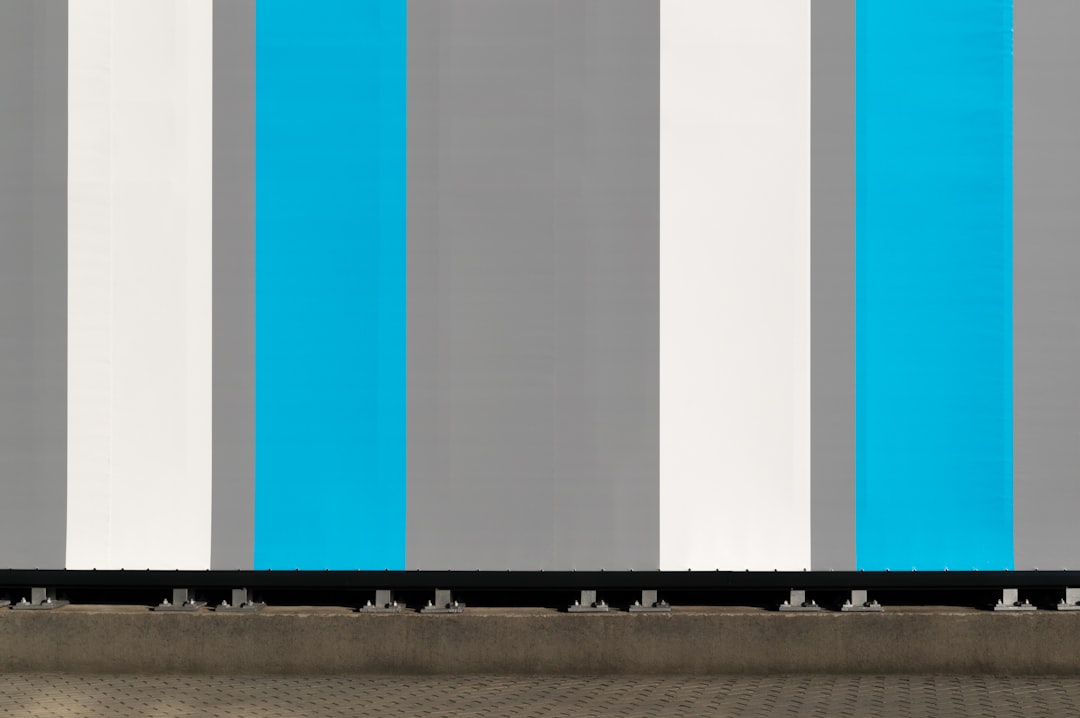
-
Canary Yellow and Deep Blue
Bright but not garish, this pairing delivers impact. Used smartly, yellow draws attention, while blue provides a powerful anchor.
Tips for Printing Logo Colors Successfully
- Stay within CMYK limits: Always convert your logo files from RGB to CMYK before printing to ensure accurate color reproduction.
- Avoid subtle gradients: These often don’t translate well in print and can appear patchy or blurry.
- Use spot colors for brand consistency: Pantone Matching System (PMS) inks can offer more vibrant, consistent prints for key brand colors.
- Mind background contrast: Make sure your logo maintains visibility when placed on various backgrounds, especially colored or textured ones.
- Test print on different materials: Paper, cardboard, plastic, and fabric all handle ink differently. Always request print proofs.
How to Choose the Right Combination for Your Brand
The best logo colors for your brand depend on your industry, audience, and brand personality. While some combinations may be universally practical in print, others also carry nuanced meanings:
- Blue tones evoke trust and professionalism—ideal for healthcare, finance, and tech.
- Earth tones like green and brown suggest stability and eco-consciousness—great for outdoor brands or skincare.
- Bright accents like orange or yellow attract younger, high-energy audiences.
- Neutrals such as gray, cream, and white help other colors pop and bring a clean, modern appeal.
Also, consider how your logo colors will coexist with future branding materials—will you need them to harmonize with packaging, uniforms, or social media templates?
Common Printing Pitfalls to Avoid
Even a great color combo can fall flat if not executed properly. Watch out for these printing issues:
- Low contrast: Colors too close in tone (like light gray and off-white) may appear washed out in print.
- Uncoated paper bleed: Bright colors may appear duller or feathered on uncoated stocks. Use coated paper for sharper results.
- Cheap inks: Inexpensive ink sources may dull vibrant colors or create inconsistency across batches.
Work closely with your printer to identify potential issues and rectify them before committing to a full run.
Conclusion
Your logo is a visual handshake—it says a lot before a word is ever spoken. While digital logos dominate the web, printed logos remain essential, from business cards to brochures to trade show banners. Selecting a color combination that not only aligns with your brand identity but also consistently prints well ensures that your message arrives loud, clear, and professional—even off-screen.
Whether you prefer the timeless simplicity of black and white or the expressive boldness of orange and navy, the 15 options above serve as a rock-solid foundation for creating a memorable, reliable brand logo.
Take time to test, refine, and print samples before finalizing your design. A visually appealing logo is an achievement—but one that prints beautifully? Even better.