
When it comes to branding, logos often make the first and most lasting impression. While design elements like shape and typography are vital, color combinations play an equally significant role in how a logo is perceived—especially when printed. Choosing the right mix of colors not only enhances aesthetic appeal but also ensures clarity and legibility in various print formats. Whether you’re designing for business cards, packaging, or large-format banners, selecting printing-friendly logo color combos is non-negotiable.
TLDR (Too long, didn’t read)
Choosing the right logo color combinations for print is crucial to maintaining clarity, contrast, and brand consistency. Some color pairs are more reliable than others, especially on print mediums like paper and fabric. Avoiding colors that bleed or clash ensures logos remain sharp, legible, and professional. This article lists 15 reliable color pairings that consistently print well across different mediums.
1. Black and White
Black and white is the most timeless and versatile color pairing. It ensures high contrast, retains full legibility on any background, and prints exceptionally well on all mediums. This duo also reduces printing costs, making it a go-to for minimalist logos or startup branding.
2. Navy Blue and Silver
This combination adds a professional, corporate tone to the logo. Navy blue provides a strong base, while silver adds sophistication. When printed, these two offer excellent contrast, and they are particularly effective for industries like finance, law, and technology.
3. Forest Green and Cream
Forest green and cream present a natural, earthy feel that prints beautifully on textured paper. Cream softens the boldness of green, ensuring both elements stand out while harmonizing gracefully on print.
4. Charcoal and Gold
This luxurious duo combines the modern stability of charcoal with the opulence of gold. Use this pairing for high-end brands, especially in real estate, fashion, or cosmetics. Metallic gold often requires foil or spot printing techniques, but even in matte, it prints boldly with charcoal.
5. Navy and Coral
Perfect for lifestyle and creative brands, navy and coral is a vibrant yet balanced pair. Navy provides the seriousness, while coral introduces a pop of energy. This blend prints reliably and looks sharp in various sizes.
6. Burgundy and Blush Pink
Rich and romantic, burgundy and blush pink is ideal for boutique and personal branding. The contrast isn’t too harsh, but each color holds its own, making it suitable for print flyers, invitations, and business cards.
7. Dark Teal and White
Dark teal and white is a crisp and professional pairing. The high contrast ensures great legibility, and the versatility of teal makes it work well across promotional materials such as brochures, stickers, and signage.
8. Maroon and Mustard
For a vintage-inspired palette, maroon and mustard print with bold, autumnal warmth. These colors are saturated enough to appear vivid but subdued enough to avoid clashing. This combo suits artisan and handmade brands.
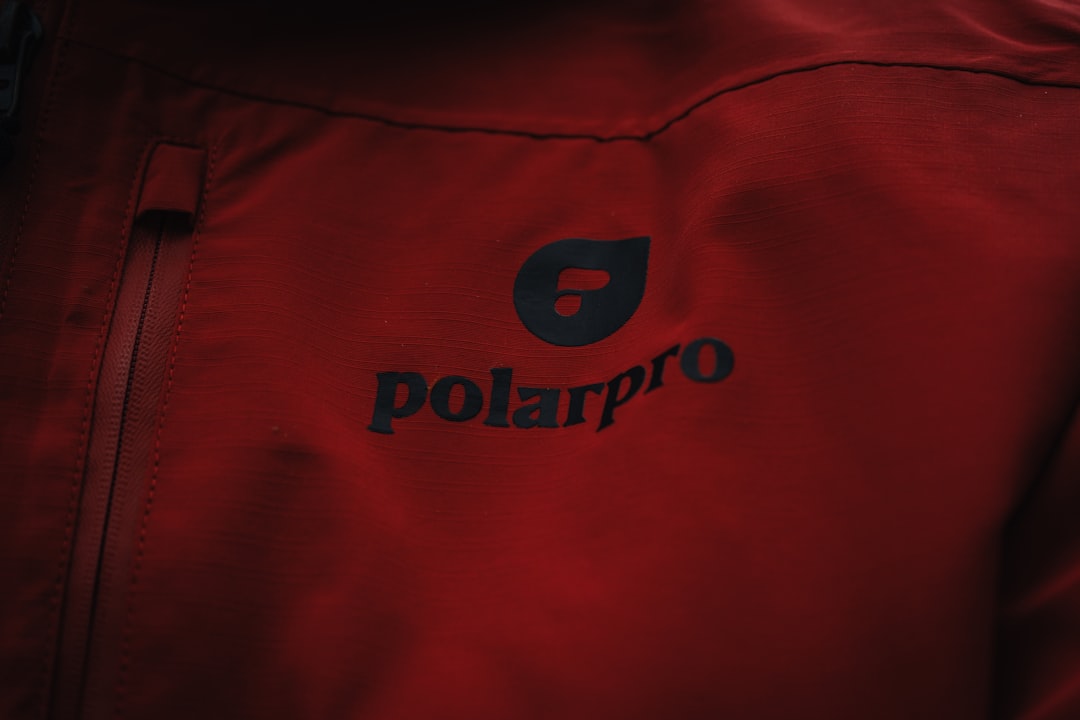
9. Black and Red
Black and red is a bold and assertive pairing. It prints well due to the strong contrast and is often used for sports teams and brands targeting youthful or daring audiences. Use this combo sparingly in design to avoid overwhelming the eyes.
10. Slate Blue and Bronze
Slate blue provides a calm, cool base, while bronze delivers warmth without overpowering. This combination prints well on both coated and uncoated stock, making it suitable for wedding brands, interior design studios, and more refined setups.
11. Olive Green and Tan
This earthy and grounded duo provides reliability and comfort in design. Olive green and tan are especially good for eco brands and organic product packaging. Both colors reproduce well in CMYK printing, maintaining integrity across multiple sizes.
12. Cobalt Blue and Soft Gray
Cobalt blue and soft gray demonstrate a crisp, professional image without being overly harsh. Blue gives the logo a strong focal point, and gray provides a neutral accent that prints cleanly, even in minimalist designs.
13. Crimson and Cream
Crimson delivers drama and energy, while cream tempers that energy with softness. Great for retail and lifestyle branding, this combo performs well on matte and glossy finishes alike, offering rich yet readable output when printed.
14. Indigo and Bright Yellow
For maximum visibility, look to indigo and bright yellow. The dark intensity of indigo paired with the eye-catching brightness of yellow produces a visually striking logo. This works well in youth-focused or educational branding, and prints with stunning vibrancy.
15. Chocolate Brown and Sky Blue
For a nostalgic yet fresh vibe, chocolate brown and sky blue is a well-balanced combo. Brown stabilizes and adds retro charm, while sky blue lifts the mood. This color set is ideal for bakeries, cafes, or vintage lifestyle brands.
Why These Combinations Print Well
These colors were selected not only for their visual appeal but also for their print reliability. Good printing performance stems from several factors:
- Contrast: High contrast between colors ensures text and graphics are legible at any size.
- CMYK Compatibility: These colors translate well from digital (RGB) to print (CMYK).
- Bleed Control: Combinations that avoid strong neighboring hues help prevent color bleeding on porous paper.
- Material Versatility: These colors perform consistently on multiple printing surfaces like matte, gloss, textured, and fabric.
Common Printing Mistakes to Avoid
- Avoid using neon or overly saturated RGB colors: These often don’t translate well to print.
- Don’t rely solely on contrast from a digital screen: Always do a print test or use Pantone for accurate matching.
- Use vector formats for logos: This ensures color clarity and sharpness, especially with detailed graphics.
Final Thoughts
Designing a logo is about more than just what looks good on screen. Successful brands anticipate how their logos will appear in the real world, including business cards, packaging, and merchandise. By choosing one of these 15 reliable logo color combinations, designers can ensure their work translates beautifully in print—delivering clarity, emotion, and brand recognition across all mediums.
FAQs
- Q: What file format is best for printing logos?
A: Vector formats like AI, EPS, or PDF are best because they scale without losing quality and preserve color data more accurately for printers. - Q: Should I use Pantone colors in my logo?
A: Yes, if budget allows. Pantone colors ensure precise hue matching across different print batches and materials. - Q: Can I use gradients in my printed logo?
A: Gradients can be printed if designed carefully, but solid color combinations are generally more reliable and cost-effective. - Q: What’s the difference between RGB and CMYK colors?
A: RGB is used for digital screens, while CMYK is used for print. Always convert your designs to CMYK before sending them to print to avoid color discrepancies. - Q: How do I test my logo colors before final print?
A: Print a sample on the actual material you plan to use, or request a print proof from your vendor to verify your color choices appear as expected.