
Happy teams do better work. They help customers with more care. They stay longer. They also make the office feel less like a long Monday and more like a place where good things can happen.
TLDR: You do not need a giant budget to lift employee morale. Small, steady actions can make people feel seen, trusted, and excited to contribute. Start with simple ideas like recognition, flexible schedules, growth chats, and better team rituals. The goal is to create a workplace where people feel they matter.
Why Employee Morale Matters
Employee morale is the mood of your workplace. It shows up in small ways. Do people speak up in meetings? Do they smile on calls? Do they help each other when deadlines get wild?
When morale is high, engagement rises. People care more about the work. They bring ideas. They solve problems faster. They also have fewer “Is it Friday yet?” moments.
When morale is low, people may do only the basics. They may feel tired, unseen, or stuck. Over time, that can lead to lost talent. And replacing good people is much more expensive than keeping them happy.
The good news? You can improve morale without fancy perks or a huge budget. Here are 7 affordable ways to increase engagement and retention.
1. Say “Thank You” Like You Mean It
Recognition is simple. It is also powerful. People want to know their work matters.
A quick “great job” can help. But specific praise is even better. Instead of saying, “Nice work,” say, “Your report made the client meeting much easier. Thank you for making it clear and useful.”
That kind of praise lands. It feels real.
- Start a weekly shout out: Give team members a moment to thank each other.
- Send a personal note: A short message can mean a lot.
- Celebrate small wins: Do not wait for huge results.
- Make praise public: Share wins in team chats or meetings.
Recognition costs almost nothing. But it can make someone’s whole day better.

2. Give People More Flexibility
Flexibility is one of the biggest morale boosters. It tells people, “We trust you.” That feels good.
This does not always mean fully remote work. It can be small. Let people start earlier or later. Offer meeting free blocks. Allow a work from home day when deep focus is needed.
Life happens. Kids get sick. Cars make weird noises. Dentist appointments appear out of nowhere. Flexibility helps employees handle real life without feeling guilty.
Trust is cheaper than turnover. When people feel trusted, they are more likely to stay.
3. Create Better Check Ins
Many employees leave because no one asked how they were doing until it was too late. Regular check ins can fix that.
These do not need to be long. A 15 minute chat can work. The key is to ask good questions and actually listen.
- What is going well right now?
- What feels harder than it should?
- Do you have what you need to do your best work?
- Is there anything you want to learn?
- How can I support you this week?
Managers do not need to solve every issue right away. But they do need to show care. Listening builds trust. Trust builds engagement.
4. Help People Grow Without Big Training Budgets
Employees want to grow. If they feel stuck, they may look for a new role somewhere else. Growth does not have to mean expensive courses.
Try low cost learning options. Pair newer employees with experienced teammates. Start a monthly skill share. Let someone lead a small project. Invite team members to teach what they know.
Growth can be simple and fun. A customer support team member could teach “how to calm an angry customer.” A designer could share “how to give better feedback.” A salesperson could explain “how to write a follow up that gets replies.”
This also helps employees feel proud. Everyone likes being the person with helpful knowledge.
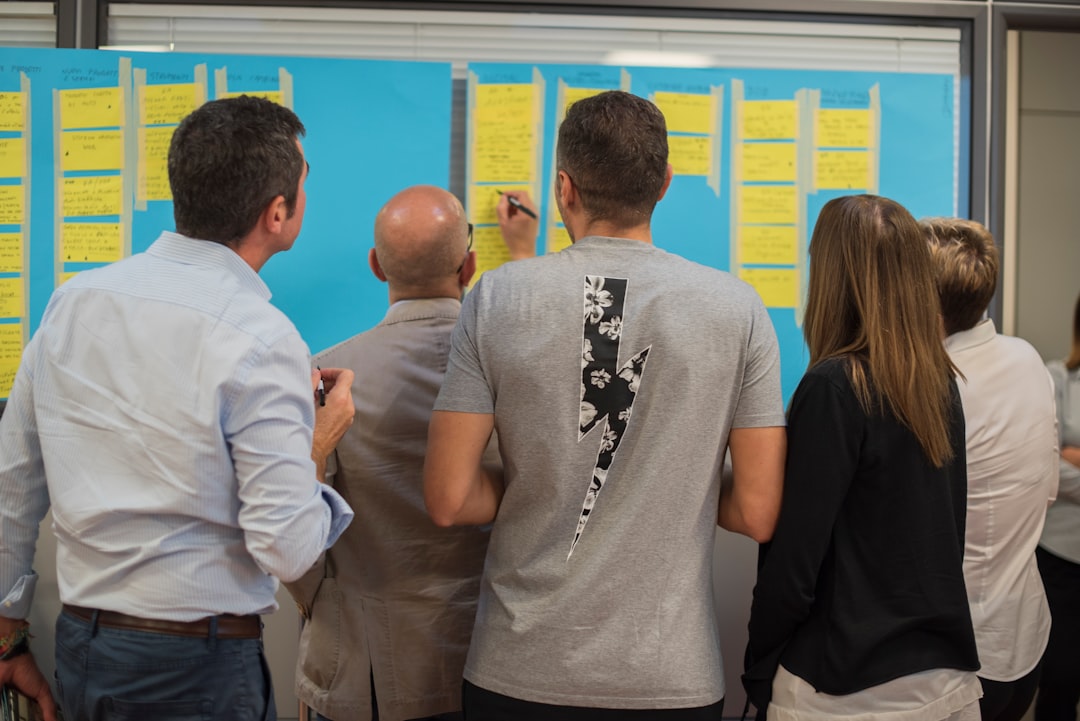
5. Make Meetings Less Painful
Nothing drains morale like bad meetings. You know the kind. Too long. No clear point. Somehow includes 14 people and one confused spreadsheet.
Better meetings can make work feel lighter. Start by asking, “Do we need this meeting?” If the answer is no, send a message instead. Your team may cheer quietly.
For meetings that stay, improve them:
- Use an agenda: People should know the goal.
- Invite fewer people: Respect everyone’s time.
- Start on time: End on time too.
- Choose an owner: Someone should guide the discussion.
- End with next steps: Make the action clear.
Less meeting chaos means more focus. More focus means less stress. Less stress means better morale.
6. Build Fun Team Rituals
Fun matters. Work should not feel like a never ending list of tasks. Team rituals add energy and connection.
These rituals do not need to be elaborate. Please do not force everyone into a three hour trust fall event. Keep it light.
- Friday wins: Everyone shares one good thing from the week.
- Question of the day: Ask silly things like, “What snack deserves an award?”
- Mini challenges: Try a step challenge, photo challenge, or desk plant challenge.
- Team playlists: Let everyone add a favorite work song.
- Birthday notes: Collect kind messages from the team.
The best rituals are easy to join. No one should feel awkward or trapped. Keep it friendly. Keep it optional when possible.

7. Show Employees Their Work Has Purpose
People want to know their work matters. They want to see the result of their effort. Purpose can turn a normal task into something meaningful.
Share customer stories. Show how the team helped someone. Tell employees when their work made a process faster, a client happier, or a product better.
If a support employee solved a tough issue, share it. If the finance team cleaned up a messy system, celebrate it. If the warehouse team shipped a huge order on time, connect that win to the customer who needed it.
Purpose helps people feel proud. It reminds them they are not just checking boxes. They are part of something valuable.
Bonus Tip: Ask Employees What They Want
Here is a wild idea. Ask your team what would improve morale.
It sounds obvious. But many companies guess. Then they spend time on perks no one asked for. Free pizza is nice. But it will not fix burnout, unclear goals, or a manager who never listens.
Use short surveys. Hold small group chats. Add an anonymous suggestion form. Then share what you learned. Most important, act on something.
Even one small change shows people their voice matters.
How to Start This Week
You do not need to launch everything at once. Start small. Pick one idea. Try it for two weeks. Watch what happens.
Here is a simple plan:
- Monday: Send three specific thank you messages.
- Tuesday: Cancel or shorten one meeting.
- Wednesday: Ask one employee what support they need.
- Thursday: Share one customer or team success story.
- Friday: End the week with a quick team win round.
That is it. No balloons required. Though balloons are allowed if your office is into that.
Final Thoughts
Improving morale is not about big speeches or expensive perks. It is about daily signals. “I see you.” “I trust you.” “Your work matters.” “You can grow here.”
Those messages build engagement. They also help people stay. When employees feel valued, they are less likely to search for the exit. They are more likely to bring their best ideas, energy, and effort.
Start with one affordable idea today. Keep it simple. Keep it human. And remember, a better workplace is built one small, thoughtful action at a time.