Machine learning models are exciting. You train them. You deploy them. They start making predictions in the real world. But here is the hard truth: models break. Not with loud crashes. With quiet mistakes. That is why model monitoring tools like Arize AI are so important. They help you see problems before your users do.
TLDR: Once your model is in production, it can drift and lose accuracy over time. Model monitoring tools like Arize AI help you track performance, detect data drift, and understand why predictions change. They give you alerts, dashboards, and deep insights into model behavior. In short, they help you sleep better at night.
Why Monitoring Matters
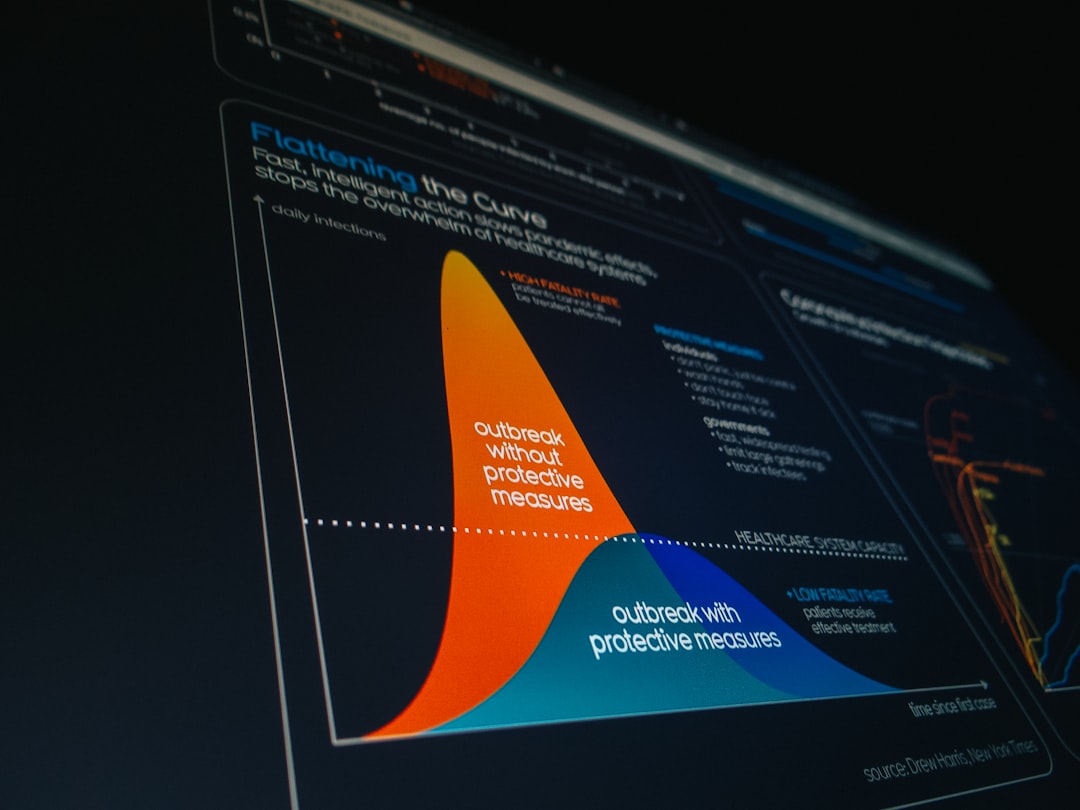
Imagine deploying a fraud detection model. It works great in January. But by March, user behavior changes. Fraud patterns shift. Your model slowly becomes less accurate. You do not notice. Customers do.
This is called model drift. And it happens all the time.
There are two main types:
- Data Drift – The input data changes over time.
- Concept Drift – The relationship between inputs and outputs changes.
Both hurt performance. Both are sneaky. And both require monitoring.
Without monitoring, you are flying blind.
What Is a Model Monitoring Tool?
A model monitoring tool watches your model after deployment. It tracks:
- Prediction accuracy
- Input data distributions
- Feature importance shifts
- Latency
- Error rates
It collects signals. It compares them to training data. It alerts you when something looks strange.
Think of it like a health tracker. But for machine learning systems.
Meet Arize AI
Arize AI is one of the leaders in ML observability. It focuses on giving teams visibility into production models.
It helps answer tough questions like:
- Why did accuracy drop last week?
- Which features are drifting?
- Are certain user segments affected more than others?
Instead of guessing, you get dashboards and insights.
Key Features of Arize AI
- Drift Detection – Compares live data to training data.
- Performance Monitoring – Tracks accuracy and other metrics.
- Embedding Visualization – Great for NLP and computer vision models.
- Slicing and Dicing – Analyze performance by segment.
- Root Cause Analysis – Pinpoint what changed.
It is built for modern ML stacks. And it scales well.
How Drift Detection Works
Let us simplify it.
When you trained your model, it learned from historical data. That data had certain patterns. For example:
- Users mostly from certain regions
- Specific purchase ranges
- Common device types
Now imagine new users behave differently. Maybe:
- New regions appear
- Purchase sizes double
- Most traffic shifts to mobile
Monitoring tools compare today’s input distributions with past ones. If the difference passes a threshold, you get an alert.
That’s drift detection.
Performance Monitoring in Production
Accuracy during training is not enough. You need real-world metrics.
But here is the tricky part: sometimes you do not get labels immediately. Think about:
- Loan approvals
- Fraud detection
- Medical diagnosis
True outcomes may take days or weeks.
Tools like Arize help you:
- Track proxy metrics
- Log predictions safely
- Update performance once ground truth arrives
This gives you continuous feedback.
Why Explainability Is Critical
When performance drops, you need answers fast.
Model monitoring platforms provide:
- Feature importance trends
- Error clustering
- Sliced performance views
Maybe your model works great overall. But fails for one specific region. Or one device type. Or one customer segment.
Without monitoring, you may never see it.
Visibility turns mystery into action.
Other Popular Model Monitoring Tools
Arize AI is powerful. But it is not alone. Here are other popular platforms in this space:
- Fiddler AI
- WhyLabs
- Evidently AI
- Datadog ML Monitoring
- Amazon SageMaker Model Monitor
Each tool has strengths. Some focus more on explainability. Others focus on integration with cloud platforms.
Comparison Chart
| Tool | Drift Detection | Explainability | Ease of Integration | Best For |
|---|---|---|---|---|
| Arize AI | Advanced | Strong | High | Enterprise ML teams |
| Fiddler AI | Advanced | Very Strong | Medium | Regulated industries |
| WhyLabs | Strong | Moderate | High | Data scientists and mid size teams |
| Evidently AI | Good | Basic | High | Open source projects |
| SageMaker Model Monitor | Good | Limited | Very High in AWS | AWS native users |
When Do You Need a Monitoring Tool?
Short answer: almost always.
But especially if:
- Your model affects revenue
- Your model impacts user trust
- You operate in regulated industries
- You deploy multiple models
- Your data changes frequently
If your model is static and low risk, simple logging might be enough. But most real-world systems are not static.
Real World Example
Imagine a recommendation engine for an online store.
In winter, customers buy jackets and boots. Your model learns that pattern. But summer arrives. Buying behavior shifts to swimwear and sandals.
If your model still favors winter items, engagement drops.
A monitoring tool would detect:
- Feature drift in product category
- Lower click through rates
- Performance drop in certain cohorts
You get an alert. You retrain. Problem solved.
Without monitoring? You might lose weeks of revenue.

How to Implement Monitoring the Right Way
Buying a tool is not enough. You need a strategy.
1. Define Key Metrics
Start with clear success metrics. Accuracy? Precision? Revenue per prediction?
2. Log Everything
Log inputs. Predictions. Metadata. Ground truth if available.
3. Set Smart Alerts
Too many alerts cause fatigue. Set meaningful thresholds.
4. Monitor by Segment
Global averages hide problems. Slice by region, device, and user type.
5. Plan for Retraining
Monitoring without retraining pipelines is useless. Close the loop.
The Rise of ML Observability
Model monitoring is part of a bigger concept: ML observability.
This includes:
- Data lineage
- Model versioning
- Experiment tracking
- Performance auditing
Modern ML systems are complex. They involve data engineers, scientists, DevOps, and business teams.
You need shared visibility.
Monitoring tools provide a single source of truth.
Benefits Beyond Accuracy
Monitoring is not just about performance.
It also helps with:
- Bias detection
- Compliance reporting
- Customer trust
- Faster debugging
For regulated industries like finance or healthcare, this is huge.
You can show how your model behaves. Not just hope it works.
Common Mistakes to Avoid
- Monitoring only accuracy
- Ignoring data quality issues
- Setting alerts too sensitive
- Not involving cross functional teams
- Waiting for users to complain
The biggest mistake? Thinking deployment is the finish line.
It is just the beginning.
The Future of Model Monitoring
Monitoring tools are getting smarter.
Expect to see:
- Automated retraining triggers
- Better support for large language models
- Deeper embedding analysis
- Integrated governance dashboards
As AI systems grow more powerful, oversight becomes more critical.
Trust will become a competitive advantage.
Final Thoughts
Deploying a machine learning model feels exciting. But production is unpredictable. Data shifts. Users change. Markets evolve.
Models degrade quietly.
Tools like Arize AI help you spot issues early. They show you drift. They show you performance trends. They show you why things change.
And that makes all the difference.
Because in machine learning, success is not about building a great model once.
It is about keeping it great over time.