Modern organizations are generating more data than ever before, yet many still struggle to trust it. As data ecosystems become increasingly complex—spanning cloud platforms, on‑premise systems, and third‑party applications—the need for structured, enforceable governance has grown urgent. This is where enterprise-grade data governance tools like Collibra play a crucial role. They help organizations manage policies, track lineage, and maintain data quality at scale, transforming raw data into a trustworthy business asset.
TLDR: Data governance tools like Collibra help organizations control, document, and improve their data across systems. They centralize policy management, provide visibility into data lineage, and monitor data quality to ensure trust and compliance. By implementing structured workflows and accountability models, these platforms reduce risk while enabling faster, smarter decision-making. In regulated industries especially, they are no longer optional—they are strategic infrastructure.
Why Data Governance Tools Are Essential
Data governance is more than documentation. It is a framework of people, processes, and technology that ensures data is accurate, accessible, secure, and compliant with regulations. As organizations adopt AI, advanced analytics, and automation, unreliable data can quickly amplify operational risks.
Without a formal governance tool, companies often face:
- Fragmented data policies stored in static documents
- Poor visibility into where data originates or how it changes
- Inconsistent data definitions across departments
- Limited accountability for data ownership
- Increased exposure to compliance violations
Platforms like Collibra address these issues by creating a centralized environment where governance becomes embedded in daily operations rather than treated as an afterthought.
Policy Management at Enterprise Scale
One of the foundational capabilities of data governance tools is formal policy management. Regulatory requirements such as GDPR, CCPA, HIPAA, and industry-specific mandates demand clear controls over how data is collected, processed, stored, and shared.
Collibra and similar platforms allow organizations to:
- Define standardized data policies and assign ownership
- Create business glossaries with approved definitions
- Map policies to regulatory requirements
- Automate review and approval workflows
- Track policy exceptions and remediation steps
Rather than housing policies in disconnected PDF files or spreadsheets, governance tools integrate them directly with operational data assets. This ensures that policies are not only written—but enforced.
For example, a financial institution can link sensitive customer data elements to specific compliance controls. If data usage changes, governance workflows can automatically trigger reviews, reducing the likelihood of compliance gaps.
End-to-End Data Lineage Visibility
Data lineage answers a critical question: Where did this data come from, and how did it get here? In complex enterprises, a single dashboard metric may rely on dozens of upstream systems and transformations. Without lineage tracking, identifying errors can take weeks.
Collibra and comparable tools provide both technical and business lineage views:
- Technical lineage maps data flows across databases, ETL pipelines, APIs, and analytics tools.
- Business lineage connects raw data to business terms, KPIs, and reports.
This capability delivers several advantages:
- Faster root cause analysis when metrics appear incorrect
- Clear impact assessments before system changes
- Improved transparency for auditors and stakeholders
- Stronger trust in analytical outputs
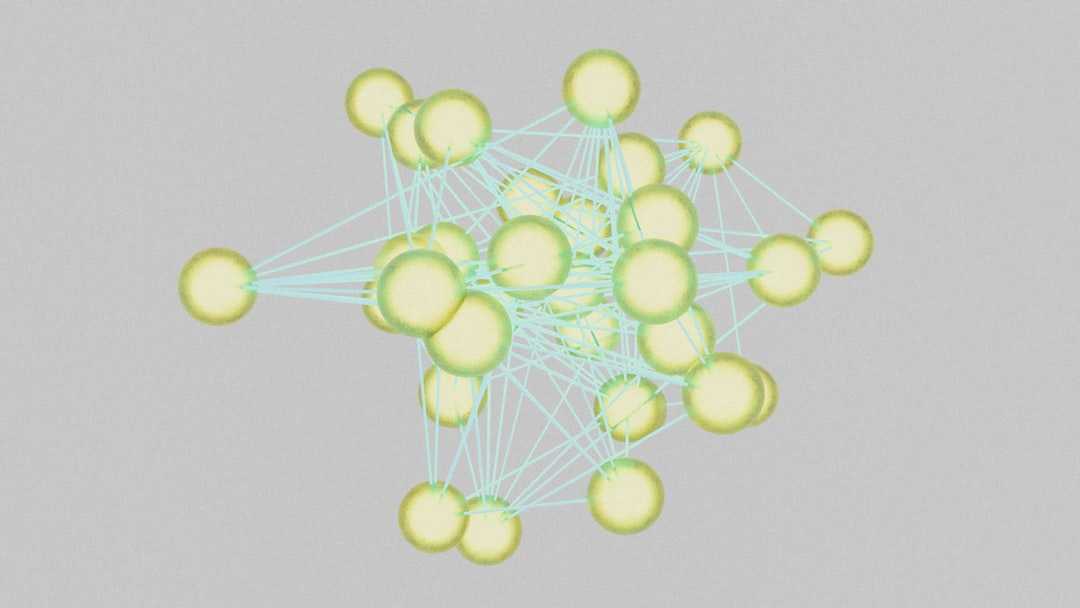
Consider a retail company analyzing revenue trends. If numbers shift unexpectedly, lineage tools allow analysts to trace the metric back through transformation layers to the original transaction tables. Instead of manually investigating multiple systems, teams gain immediate context.
Strengthening Data Quality Management
Data quality is often the most visible symptom of weak governance. Duplicate records, incomplete attributes, and outdated entries damage reporting accuracy and erode confidence.
Data governance platforms integrate quality rules and monitoring directly into workflows. Key features typically include:
- Automated data profiling to detect anomalies
- Standardized quality scorecards
- Threshold-based alerts and issue tracking
- Assigned data stewards responsible for remediation
- Dashboards for ongoing performance measurement
By formalizing stewardship roles, organizations ensure accountability. Data issues are no longer “someone else’s problem.” They are routed, tracked, and resolved within structured governance processes.
Over time, measurable quality improvements contribute to better forecasting, customer insights, and regulatory reporting.
Beyond Collibra: Comparing Leading Data Governance Tools
While Collibra is widely recognized as a market leader, several other platforms offer strong governance capabilities. The table below provides a high-level comparison of notable solutions.
| Tool | Core Strengths | Best For | Notable Features |
|---|---|---|---|
| Collibra | Enterprise governance framework, strong workflow automation | Large regulated enterprises | Policy management, lineage, stewardship workflows, data marketplace |
| Alation | Data cataloging and user collaboration | Data discovery focused teams | Search-driven catalog, behavioral analysis, lineage integration |
| Informatica Axon | Integrated data quality and master data management | Complex data ecosystems | Governance workflows, metadata management, data quality rules |
| Microsoft Purview | Cloud-native governance for Azure environments | Cloud-first organizations | Automated scanning, classification, integrated compliance tracking |
| IBM Knowledge Catalog | AI-driven metadata management | Large enterprises using IBM ecosystems | Policy enforcement, data classification, lineage visualization |
Each solution varies in complexity and integration depth, but all share a core objective: creating trusted, well-documented data assets.
Establishing Clear Roles and Accountability
Technology alone does not create governance. Tools like Collibra enable structured accountability models that clarify responsibility across the organization.
Common governance roles include:
- Data Owners – Accountable for specific data domains
- Data Stewards – Responsible for data quality and policy adherence
- Data Custodians – Manage technical infrastructure and security controls
- Governance Councils – Provide strategic oversight and prioritization
Through workflow automation, governance tools formalize these responsibilities. When a new data asset is created, stewardship assignments and review processes are automatically triggered. This reduces ambiguity and accelerates alignment between business and IT teams.
Supporting Regulatory Compliance
Compliance obligations continue to expand globally. Organizations must demonstrate not only that they have policies in place but that those policies are systematically enforced.

Governance platforms support this requirement by:
- Linking data elements to regulatory controls
- Providing audit trails of policy changes and approvals
- Documenting data retention schedules
- Automating sensitive data classification
During audits, structured documentation and lineage evidence significantly reduce preparation time. Instead of manually collecting proof of compliance, organizations can generate reports directly from the platform.
Enabling a Data-Driven Culture
Beyond compliance and control, governance tools enable innovation. When employees trust data, they use it more confidently in decision-making. A governed data catalog allows analysts to quickly discover relevant datasets, understand definitions, and assess reliability.
This transparency promotes:
- Faster analytics project initiation
- Reduced duplication of datasets
- Improved cross-department collaboration
- Greater adoption of self-service BI tools
In this way, governance does not restrict access—it enhances usability. By clearly defining data standards and quality expectations, organizations remove uncertainty that would otherwise slow innovation.
Implementation Considerations
Deploying a data governance tool requires careful planning. Successful implementations typically include:
- Executive sponsorship to ensure strategic alignment
- Defined governance framework before technical rollout
- Phased deployment by data domain or business unit
- Change management initiatives to promote adoption
- Continuous metrics tracking to measure improvement
Organizations that treat governance as a transformation initiative—rather than a software purchase—see the strongest results. Training, communication, and stakeholder buy-in are essential components.
The Strategic Value of Governance Infrastructure
As artificial intelligence and machine learning become embedded in core business operations, the stakes for poor data governance rise dramatically. Biased models, flawed predictions, and regulatory violations often trace back to unmanaged data sources.
Tools like Collibra serve as foundational infrastructure for responsible data usage. They unify metadata, policies, lineage, and quality management into a coherent system. This unified approach reduces risk while enabling scalability.
In serious, data-driven organizations, governance platforms are no longer viewed as optional administrative tools. They are strategic enablers of compliance, operational efficiency, and competitive advantage.
In summary, data governance tools such as Collibra help organizations formalize control over their most valuable digital asset: data. Through centralized policy management, transparent lineage tracking, structured stewardship, and proactive quality monitoring, these platforms establish trust at scale. As regulatory pressures and analytical ambitions continue to expand, investing in robust governance technology becomes not only prudent—but essential.