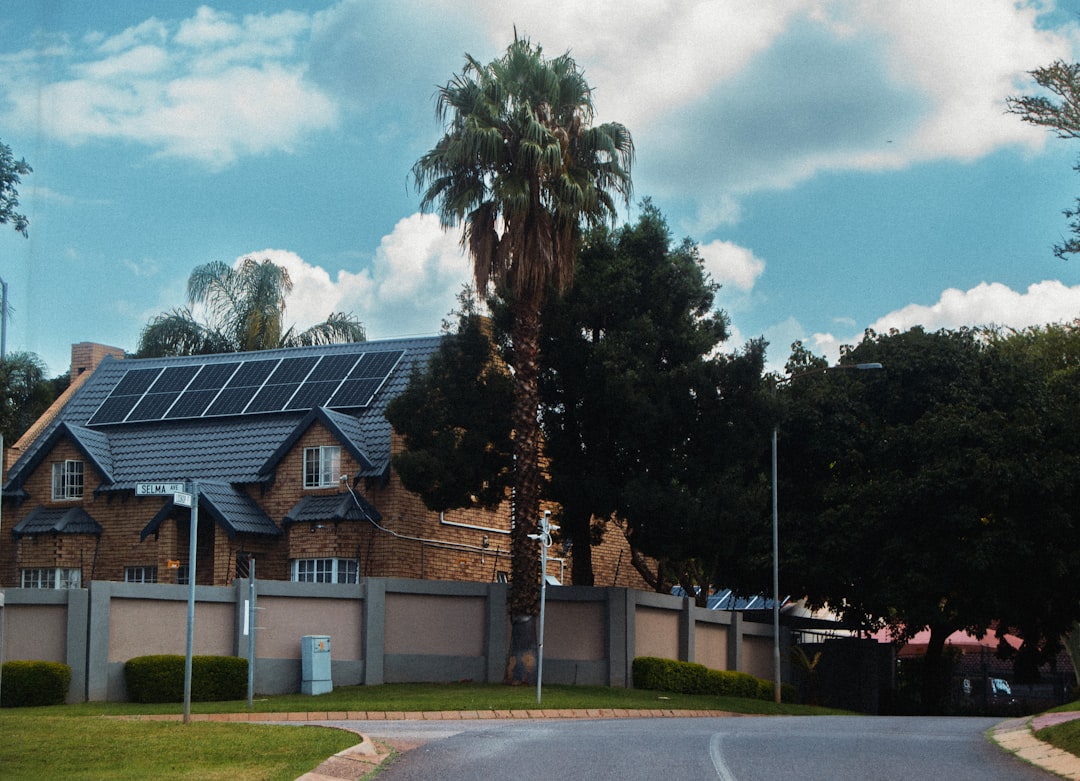
As energy prices rise and climate concerns intensify, more homeowners are turning to home energy storage systems as a practical solution for energy independence, reliability, and long-term savings. Whether paired with solar panels or used as a backup during outages, energy storage technology is rapidly becoming a cornerstone of modern living. Understanding how these systems work, what options are available, and what benefits they provide can help you make informed decisions for your household.
TLDR: Home energy storage systems store electricity for later use, helping homeowners reduce utility costs, increase energy independence, and maintain power during outages. They are commonly paired with solar panels but can also work independently. Battery technology, system size, and installation quality are critical factors in performance and return on investment. With proper planning, energy storage can be a reliable and future-proof upgrade to your home.
What Is a Home Energy Storage System?
A home energy storage system captures electricity and stores it for later use. The stored energy can come from renewable sources such as solar panels or directly from the electrical grid during off-peak hours when rates are lower. When demand is high, during outages, or when electricity prices spike, the system releases that stored energy to power your home.
Most modern systems rely on advanced battery technology, intelligent energy management software, and integrated inverters to convert and control electricity flow efficiently.

Main Components of a Home Energy Storage System
- Battery units: Store electrical energy chemically and release it when needed.
- Inverter: Converts stored DC electricity into usable AC power for household appliances.
- Battery management system (BMS): Monitors temperature, voltage, and performance to ensure safety.
- Energy monitoring software: Tracks usage patterns and optimizes charging and discharging cycles.
- Transfer switch: Automatically shifts the home’s power supply during outages.
These components work together to provide seamless, automated energy management without constant homeowner intervention.
How Home Energy Storage Works
At its core, energy storage is based on a simple principle: store when supply is abundant, use when supply is limited or expensive.
- Electricity is generated (from solar panels or the grid).
- Excess electricity charges the battery.
- The battery stores the energy safely.
- When demand increases or grid power fails, the stored energy is released.
For solar-integrated homes, daytime solar production often exceeds immediate household needs. Without storage, that excess energy is sent back to the grid. With a battery system in place, homeowners can capture that surplus for nighttime use.
Types of Home Energy Storage Technologies
Several battery technologies are currently available. Each offers distinct benefits and limitations.
1. Lithium-Ion Batteries
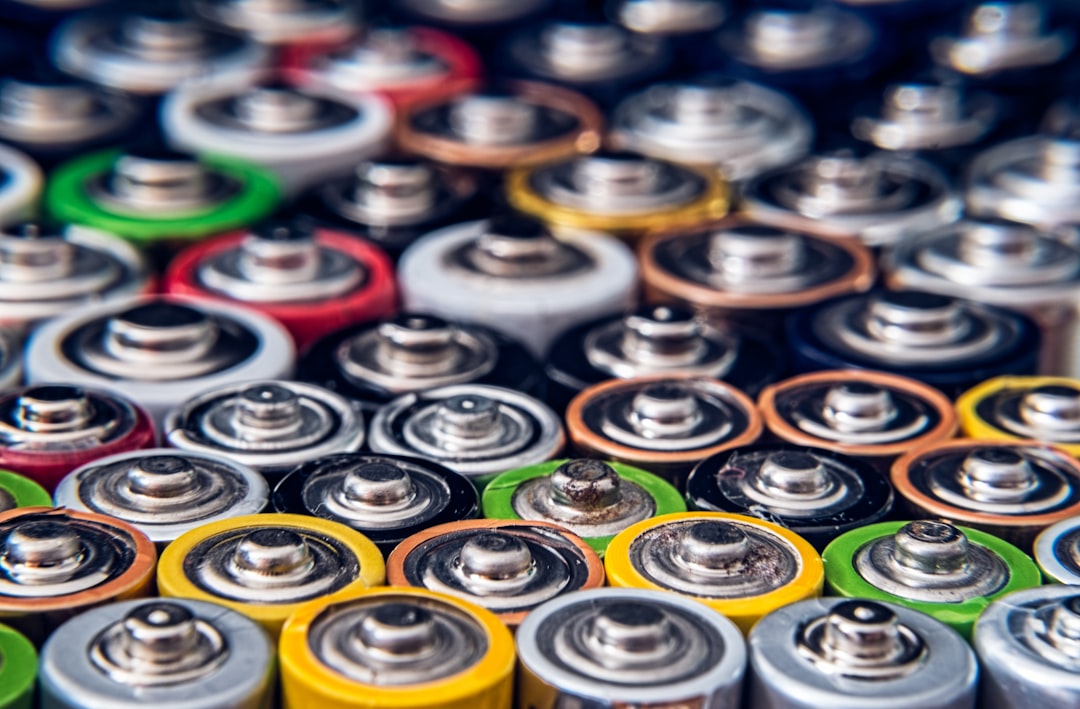
The most widely used option today, lithium-ion batteries offer high energy density, long cycle life, and relatively compact sizing. They are efficient, reliable, and require minimal maintenance.
- High efficiency (typically 90% or more)
- Long lifespan (10–15 years)
- Compact and lightweight
- Higher upfront cost
2. Lead-Acid Batteries
An older and more affordable technology, lead-acid batteries are commonly used in off-grid applications but are less efficient and shorter-lived than lithium-ion models.
- Lower initial cost
- Shorter lifespan
- Heavier and bulkier
- Require more maintenance
3. Emerging Battery Technologies
Innovations such as solid-state batteries and flow batteries are under development. While not yet mainstream for residential use, they promise improved safety, longevity, and sustainability in the near future.
Key Benefits of Home Energy Storage
Energy storage provides several long-term and strategic advantages for homeowners.
1. Energy Independence
With a properly sized system, homeowners can significantly reduce dependence on utility providers and gain protection against fluctuating electricity prices.
2. Backup Power During Outages
Battery systems provide seamless backup power during grid failures, keeping essential appliances such as refrigerators, lighting, medical devices, and communication systems operational.
3. Lower Electricity Bills
By storing energy during off-peak periods and using it during peak hours, homeowners can reduce overall electricity costs.
4. Environmental Sustainability
When paired with solar panels, storage systems maximize renewable energy usage and reduce reliance on fossil fuels.
5. Increased Property Value
Homes with energy storage and solar systems are often more attractive to buyers seeking energy-efficient and resilient properties.
Factors to Consider Before Installing a System
Before investing in a home energy storage system, careful evaluation is necessary.
Energy Consumption
Analyze your household’s daily and monthly electricity consumption. The size of the battery should align with both average and peak load requirements.
System Capacity and Power Rating
- Capacity (kWh): Determines how much energy can be stored.
- Power rating (kW): Determines how many appliances can run simultaneously.
Installation Location
Batteries are typically installed in garages, basements, or utility rooms. Adequate ventilation and temperature control are important for optimal performance and safety.
Cost and Incentives
Prices vary depending on battery size, brand, installation complexity, and region. Government rebates and tax incentives can significantly offset initial expenses.
Comparison of Common Home Battery Technologies
| Battery Type | Efficiency | Lifespan | Maintenance | Cost Range | Best For |
|---|---|---|---|---|---|
| Lithium-Ion | High (90%+) | 10–15 years | Low | Moderate to High | Grid tied solar homes |
| Lead-Acid | Moderate | 3–7 years | Moderate | Low to Moderate | Off grid setups |
| Solid-State (Emerging) | Very High | Projected 15+ years | Low | Currently High | Future residential systems |
Integration with Solar Energy Systems
Home energy storage systems are most efficient and beneficial when combined with solar panels. During sunny hours, solar arrays generate electricity that can:
- Power household appliances directly
- Charge the battery system
- Export surplus energy to the grid
At night or on cloudy days, the stored energy helps bridge the gap between production and consumption.
Image not found in postmetaThis integration not only increases renewable energy utilization but also enhances financial savings over time by reducing reliance on grid electricity.
Smart Energy Management and Monitoring
Modern systems include sophisticated monitoring software accessible via smartphone applications. These platforms allow homeowners to:
- Track real-time power usage
- Monitor battery charge levels
- Optimize charging schedules
- Analyze long-term performance data
Artificial intelligence-driven energy management tools can automatically balance grid power and stored energy to achieve maximum efficiency.
Safety Considerations
Professional installation is essential. Certified installers ensure compliance with local electrical codes and safety regulations. High-quality systems include:
- Thermal management controls
- Overcharge and over discharge protection
- Short circuit safeguards
- Fire-resistant enclosures
When installed correctly, modern lithium-ion systems are extremely safe and reliable.
Cost Expectations and ROI
The total installed cost of a home battery system typically ranges from several thousand to over ten thousand dollars depending on capacity and configuration. However, return on investment is influenced by:
- Local electricity rates
- Time-of-use pricing structures
- Availability of rebates
- Frequency of outages
- Solar system integration
While financial payback may take several years, the added benefits of energy security and sustainability often make the investment worthwhile.
The Future of Residential Energy Storage
The global push toward decarbonization and distributed energy systems suggests that residential storage will continue to grow. Advancements in battery chemistry, improved recycling processes, and grid integration technologies are expected to lower costs and increase performance.
In the coming years, home energy storage may evolve from a premium upgrade into a standard household feature, particularly in regions vulnerable to extreme weather or grid instability.
Conclusion
Home energy storage systems represent a significant shift in how households generate, manage, and consume electricity. They provide resilience during outages, reduce long-term electricity costs, and support environmental sustainability. When properly sized and professionally installed, these systems deliver reliable performance for over a decade.
For homeowners seeking greater control over their energy usage and a forward-looking solution to modern power challenges, investing in energy storage is both a practical and strategic step toward a more secure and sustainable future.