
In an era where nearly every digital interaction is tracked, logged, or analyzed, internet anonymity has become a growing priority for individuals and organizations alike. From protecting sensitive data to bypassing geographic restrictions, tools such as VPNs (Virtual Private Networks) and proxy networks are widely used to enhance online privacy. While both technologies aim to mask a user’s identity and location, they function differently and provide distinct levels of security.
TLDR: Internet anonymity tools like VPNs and proxy networks help conceal a user’s IP address and mask online activity. VPNs encrypt all traffic between the device and the internet, offering strong privacy protections, while proxies reroute specific traffic without full encryption. Each solution has unique strengths depending on user needs. Understanding their differences allows users to choose the most effective privacy solution.
Understanding Internet Anonymity
Internet anonymity refers to the ability to browse, communicate, and interact online without revealing one’s identity or traceable information. Every device connected to the internet is assigned an IP address, which can reveal approximate location, internet service provider, and usage behavior. Websites, advertisers, and even cybercriminals may use this data to track users.
True anonymity is difficult to achieve, but the strategic use of privacy tools can significantly reduce exposure. VPNs and proxy networks are among the most accessible and effective methods available to everyday users.

What Is a VPN?
A Virtual Private Network (VPN) creates a secure, encrypted tunnel between a user’s device and a remote server operated by the VPN provider. All internet traffic is routed through this server, masking the user’s original IP address and encrypting transmitted data.
How VPNs Work
- The user connects to a VPN server in a selected location.
- Data from the device is encrypted before leaving it.
- The encrypted traffic passes through the VPN server.
- The destination website sees the VPN server’s IP, not the user’s real IP.
This encryption prevents third parties — including internet service providers (ISPs), hackers on public Wi-Fi, or government surveillance entities — from easily monitoring activity.
Key Benefits of VPNs
- Full traffic encryption across apps and browsers
- IP address masking
- Secure public Wi-Fi usage
- Geographic content bypassing
- Protection against traffic throttling
VPNs are commonly used by remote workers, journalists, travelers, and privacy-conscious individuals who require consistent, system-wide protection.
What Is a Proxy Network?
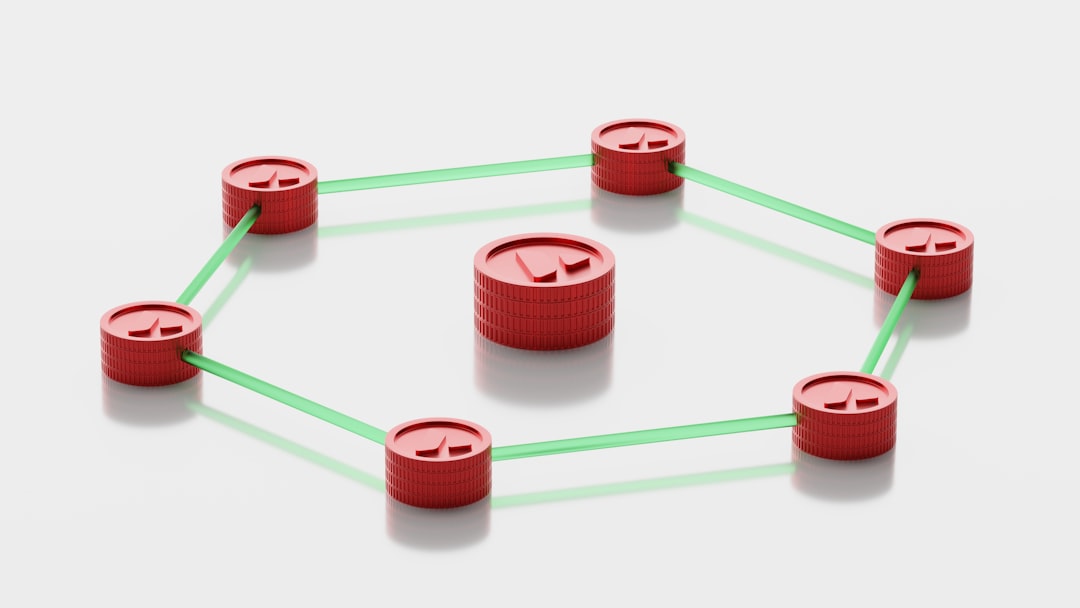
A proxy server acts as an intermediary between a user’s device and the internet. Rather than encrypting all data, a proxy routes specific traffic — often browser-based — through another server, replacing the user’s IP address with its own.
How Proxies Work
- The user configures a browser or application to use a proxy server.
- Requests are sent to the proxy instead of directly to the website.
- The proxy forwards the request and returns the response to the user.
Because proxies typically do not encrypt traffic, they provide anonymity primarily through IP masking rather than security.
Types of Proxy Servers
- HTTP Proxies – For web browsing traffic only.
- SOCKS Proxies – More flexible, handling multiple traffic types.
- Transparent Proxies – Often used by organizations for monitoring.
- Residential Proxies – Use real IP addresses assigned by ISPs.
- Datacenter Proxies – Faster but easier to detect.
Proxies are often used for web scraping, content testing, bypassing mild content restrictions, and managing multiple accounts.
VPN vs Proxy: Key Differences
| Feature | VPN | Proxy |
|---|---|---|
| Encryption | Yes, full traffic encryption | Usually no encryption |
| IP Masking | Yes | Yes |
| Coverage | Entire device | Specific applications |
| Security Level | High | Low to moderate |
| Speed | May reduce speed due to encryption | Generally faster |
| Best For | Privacy and security | Light anonymity tasks |
While both tools obscure IP addresses, the presence of encryption makes VPNs far more secure than proxies for sensitive communications.
Use Cases for Internet Anonymity Tools
1. Protecting Personal Privacy
VPNs shield online activity from ISPs and advertisers by encrypting browsing habits. This reduces targeted advertising and behavioral tracking.
2. Secure Remote Work
Businesses often require employees to connect via corporate VPNs to protect internal systems and confidential information.
3. Accessing Geo-Restricted Content
Both VPNs and proxies allow users to change virtual locations to access region-locked streaming services or websites.
4. Research and Data Gathering
Proxies, particularly rotating residential proxies, are favored for automated research, market analysis, and SEO tracking.
5. Circumventing Censorship
In restrictive regions, VPNs can help bypass censorship by routing connections through servers in open-access countries.

Limitations of VPNs and Proxies
While valuable, neither VPNs nor proxies guarantee complete anonymity.
- Logging Policies: Some VPN providers log user activity, potentially compromising privacy.
- Browser Fingerprinting: Websites can identify devices through system configurations.
- Cookies and Trackers: IP masking does not block all tracking technologies.
- Malicious Free Services: Free proxies or VPNs may collect and sell user data.
Anonymity depends not only on the tool used but also on user behavior, device security, and threat complexity.
Choosing the Right Solution
Selecting between a VPN and proxy depends on the desired balance between security, speed, and functionality.
Choose a VPN if:
- Encryption is required for sensitive data.
- Public Wi-Fi is frequently used.
- Full-device protection is necessary.
- Privacy from ISPs is a priority.
Choose a Proxy if:
- Only browser-based location masking is needed.
- High-speed automation tasks are performed.
- Managing multiple IP identities simultaneously.
- Sensitive encryption is not required.
Some advanced users employ both solutions together, using proxies for automation and VPNs for personal browsing security.
Best Practices for Enhanced Anonymity
To maximize digital privacy, users can combine VPNs or proxies with other privacy tools:
- Use encrypted messaging platforms.
- Enable multi-factor authentication.
- Regularly clear cookies and cache.
- Use privacy-focused browsers.
- Disable unnecessary device permissions.
An effective anonymity strategy is layered, meaning no single tool is relied upon exclusively.
The Future of Online Anonymity
As cybersecurity threats and digital surveillance evolve, anonymity tools continue advancing. Modern VPNs now incorporate features like multi-hop routing, kill switches, and split tunneling. Proxy technologies are expanding with AI-driven rotation systems and better detection avoidance mechanisms.
However, governments and corporations are also refining tracking technologies through AI-driven behavioral analysis and biometric identification. This creates an ongoing dynamic where privacy tools must continually adapt to remain effective.
Ultimately, internet anonymity remains a balance between technology, user awareness, and regulatory environments.
Frequently Asked Questions (FAQ)
1. Are VPNs completely anonymous?
No. VPNs significantly improve privacy, but complete anonymity is difficult to achieve. Factors such as logging policies, browser fingerprinting, and user behavior can still expose identity.
2. Is a proxy safer than a VPN?
Generally, no. Most proxies do not encrypt your data, making VPNs safer for protecting sensitive communications.
3. Can a VPN hide activity from my internet provider?
Yes. A VPN encrypts traffic, preventing ISPs from seeing browsing content, though they may still detect VPN usage.
4. Are free VPNs and proxies safe?
Some are legitimate, but many free services log or sell user data. It is important to review privacy policies and reputation before use.
5. Do VPNs slow down internet speed?
Encryption may slightly reduce speed. However, premium VPN services minimize performance impact through optimized servers.
6. Can I use a VPN and proxy together?
Yes. Advanced users sometimes layer both tools for specialized anonymity strategies.
7. What is better for streaming content?
VPNs are typically more reliable for streaming because they encrypt traffic and are less likely to leak IP information.
By understanding the capabilities and limitations of VPNs and proxy networks, individuals can make informed decisions about safeguarding their digital footprint and navigating the internet with greater confidence.