Reve is the better pick when you need an image generator to follow instructions closely, while Midjourney is still stronger for polished, dramatic, art-directed visuals. If your work depends on readable text, specific object placement, or brand-style mockups, Reve App deserves serious attention. If you want beautiful mood, rich texture, and “wow” factor with less planning, Midjourney remains hard to beat.
TLDR: Reve App is best for prompt accuracy, clean layouts, and images that match detailed instructions. Midjourney is best for cinematic style, fashion, fantasy, concept art, and visual polish. In a simple 20-prompt test for social media ads, Reve produced usable text in about 14 images, while Midjourney needed more rerolls and edits to get lettering right. For example, a coffee brand asking for “a red cup, white logo text, and three beans on the table” will usually get a more literal result from Reve.
What Reve App does well
Reve App is built around a simple promise: type what you want, get an image that actually respects the prompt. That sounds basic, but anyone who uses AI image tools knows the pain. You ask for three objects and get five. You request text on a poster and receive alien typography. You say “left side” and the model puts it wherever it wants.
Reve feels different because it pays closer attention to structure. It is especially useful for product mockups, posters, web visuals, simple ads, educational graphics, and social content. The output tends to be clean and direct. It may not always have the painterly richness of Midjourney, but it often gets the assignment right with fewer attempts.
Honestly, it feels like Reve was made for people who are tired of arguing with prompts. You can describe layout, labels, colors, and object count with more confidence. That matters when speed is part of the job.
Where Midjourney still wins
Midjourney is famous for a reason. Its images often have stronger atmosphere, better lighting, and a more expensive visual feel. It shines when the prompt is open to interpretation. Ask for “a futuristic greenhouse at sunrise in the style of a luxury editorial shoot,” and Midjourney can produce something that looks ready for a gallery wall.
Midjourney is especially strong for:
- Concept art for games, films, and books
- Fashion and editorial visuals with striking lighting
- Fantasy, sci fi, and surreal scenes
- Character mood boards and pitch visuals
- Highly stylized art where exact accuracy matters less
The tradeoff is control. Midjourney can be brilliant, but it may also ignore small details. It might turn “two blue bottles on a wooden shelf” into three bottles, change the shelf material, or add decorative elements you never asked for. Sometimes that helps. Sometimes it wastes ten minutes.
Prompt following: Reve has the edge
The biggest difference between Reve and Midjourney is obedience. Reve is better when the prompt reads like a design brief. You can ask for a square ad, a headline, a centered product, a plain background, and a specific color palette. The result is more likely to stay close to that request.
Midjourney is more like an art director with strong opinions. It may improve a scene, but it may also rewrite your idea. That can be exciting for inspiration. It can be maddening for production.
For marketers and founders, this is not a small issue. If you need five social media images for a launch, accuracy beats surprise. A pretty image with the wrong product color is still wrong.
Text in images: Reve is more practical
AI image models have struggled with text for years. Midjourney has improved, but it still often produces warped letters, misspellings, or fake words. Reve is usually more useful when readable text is part of the image.
This makes Reve a better choice for:
- Sale banners
- Event posters
- Simple packaging concepts
- Presentation graphics
- Mock website hero images
That does not mean Reve is perfect. Expect to check every word. Small text can still break. Long slogans can still cause problems. But for short phrases like “Summer Sale”, “New Menu”, or “Fresh Roast”, Reve is often easier to work with.
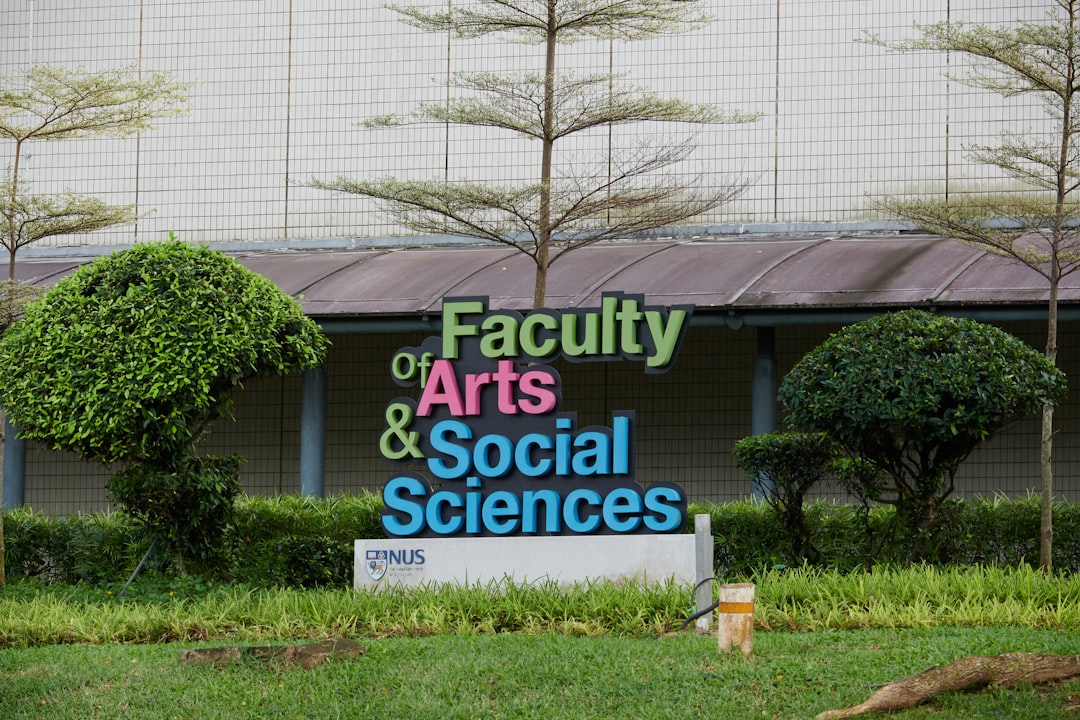
Image quality and style
Midjourney often wins on pure visual beauty. Its images can look cinematic right away. Skin, fabric, fog, glass, and lighting often feel rich. The tool has a strong sense of drama.
Reve tends to be cleaner and more literal. That can be good or bad. For business visuals, clean is useful. For a fantasy book cover or music album art, you may want the extra punch that Midjourney brings.
Think of it this way: Reve is better at following the brief. Midjourney is better at making the brief look expensive.
Ease of use and workflow
Reve App feels approachable. You type a prompt, generate, adjust, and repeat. It suits users who want a fast path from idea to image. There is less cultural baggage around prompt formulas, parameters, and community habits.
Midjourney has become easier over time, especially with its web interface, but many users still associate it with Discord and command-style prompting. That can be fine for power users. For new users, it can feel oddly indirect.
It drives me crazy that with some AI image tools, the creative part takes less time than managing versions. Midjourney can produce stunning sets, but sorting through variations, rerolls, and small fixes can slow you down. Reve often feels more direct when the goal is a usable asset, not an art experiment.
Best uses for Reve App
Choose Reve if your project depends on clarity, text, layout, and instruction accuracy. It is a strong fit for people who need images for practical use rather than pure visual exploration.
- Startup teams: quick landing page visuals and pitch deck graphics
- Social media managers: captioned posts, promo images, and campaign mockups
- Teachers and trainers: simple illustrated scenes and learning materials
- Ecommerce sellers: product concept shots and ad variations
- Designers: early layout ideas before refining in design software
Best uses for Midjourney
Choose Midjourney when you care most about style, mood, and visual impact. It is ideal when the image does not need exact text or precise object placement.
- Artists: inspiration, studies, and finished visual concepts
- Writers: book cover ideas and character mood boards
- Agencies: high-impact campaign concepts
- Game teams: worlds, props, environments, and creature ideas
- Musicians: album art and promotional visuals
Pricing and value
Value depends on how often you use the tool and what counts as a “finished” image for you. If Midjourney gives you a stunning visual in two tries, it is great value. If you need twenty attempts because the text keeps breaking, the cost is your time.
Reve’s value is strongest when fewer revisions are needed. If your image brief has rules, Reve may save you from endless prompt tweaks. For solo creators, that can decide the winner. For teams, the time savings can be even more useful.
Which one should you choose?
Pick Reve App if you create ads, posts, mockups, educational visuals, or branded content with clear requirements. It is the more practical option when accuracy matters.
Pick Midjourney if your priority is beauty, mood, and artistic surprise. It remains one of the best AI image tools for visuals that feel premium and imaginative.
The smartest setup is to use both if your budget allows it. Use Reve for controlled, text-friendly, prompt-accurate images. Use Midjourney for striking concepts and high-style visuals. If you must choose one, choose based on your work: production needs point to Reve; artistic exploration points to Midjourney.