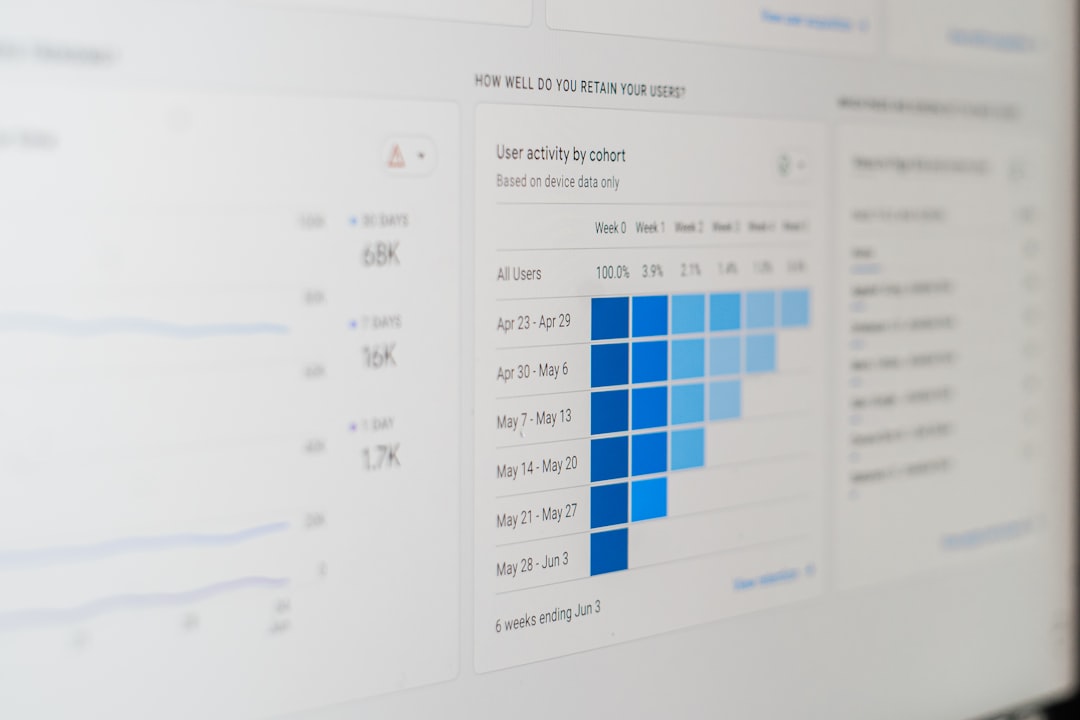
B2B teams should build their sales stack around four jobs: finding the right accounts, understanding buyer intent, starting better conversations, and helping reps close deals faster. The 15 platforms below stand out because they reduce manual research, improve account timing, or make outreach less generic.
TLDR: The strongest emerging B2B sales tools combine prospecting, intelligence, engagement, and enablement in a tighter workflow. For example, a SaaS team could use Clay to build a 2,000-account list, Common Room to spot 300 warm community signals, and Lavender to improve cold email replies by 20% to 35%. The best stack is not the biggest one; it is the one that cuts research time and gives reps clearer next steps.
15 Emerging B2B Sales Tools Worth Watching
Sales teams are buried in tabs. One tool finds emails. Another checks intent. A third writes sequences. A fourth tracks deals. Honestly, it feels like some stacks were built to make reps spend 40 seconds longer on every task. These platforms aim to fix that pain.
1. Clay
Category: Prospecting and enrichment
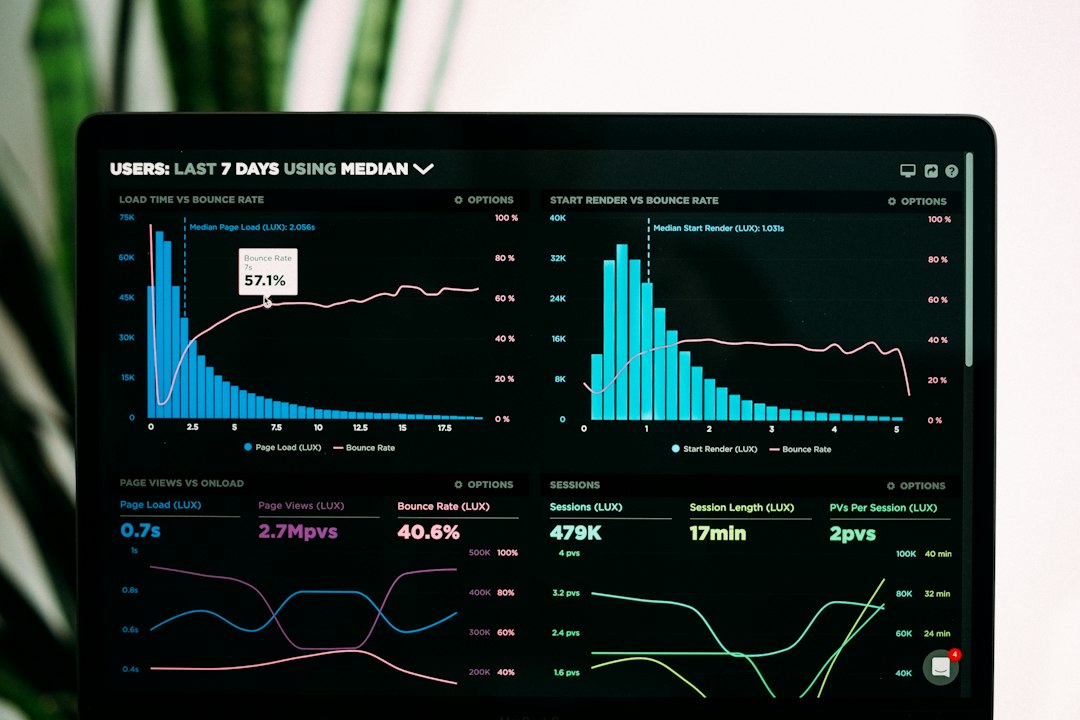
Clay helps teams build targeted account lists, enrich contacts, and trigger workflows from many data sources. It is useful for outbound teams that need more than a basic email finder. A rep can pull company data, hiring signals, funding news, and tech stack information into one table.
Best for: high-personalization outbound campaigns.
2. Apollo.io
Category: Prospecting and engagement
Apollo.io combines a large B2B contact database with email sequencing, dialer tools, and CRM sync. It is not new, but its product pace makes it hard to ignore. The annoyance is real, though: some workflows still take extra clicks when teams only want a clean lead list fast.
Best for: startups that want database access and outreach in one place.
3. Cognism
Category: Contact data and compliance
Cognism focuses on compliant B2B data, with strength in phone-verified mobile numbers and EMEA coverage. It suits teams that rely on calling and need cleaner contact records.
Best for: outbound teams selling into Europe or regulated markets.
4. ZoomInfo Copilot
Category: Sales intelligence
ZoomInfo Copilot adds AI-guided account insights to ZoomInfo’s data assets. It can surface buyer signals, suggest accounts, and summarize company activity. Larger revenue teams may find value when they need scale and governance.
Best for: enterprise sales teams with established sales operations.
5. 6sense Revenue AI
Category: Intent data and account prioritization
6sense helps teams identify accounts that may be researching relevant topics. Its strength is account scoring, buying-stage prediction, and ad-to-sales coordination. It works best when marketing and sales agree on target accounts.
Best for: account-based sales motions.
6. Clearbit
Category: Data enrichment
Clearbit enriches leads and accounts with firmographic data, employee counts, industry details, and website traits. It is useful for routing, scoring, and form shortening. Teams can qualify inbound leads faster and avoid asking prospects for every detail.
Best for: inbound teams that need cleaner CRM data.
7. Common Room
Category: Buyer signals and community intelligence
Common Room tracks signals from communities, social channels, product usage, and open-source activity. It helps sales teams find prospects who are already showing interest. That matters because warm outreach often beats cold volume.
Best for: developer tools, PLG companies, and community-led growth teams.

8. UserGems
Category: Job change tracking
UserGems tracks past customers and champions when they move to new companies. This creates timely, high-trust sales opportunities. A former power user who joins a new firm can become a strong entry point.
Best for: companies with loyal users and strong customer relationships.
9. Champify
Category: Champion tracking
Champify also focuses on previous users and job changes, but with strong CRM workflow support. It turns customer movement into pipeline triggers. Reps can see when a former buyer lands in a target account.
Best for: expansion teams and mature B2B SaaS firms.
10. Warmly
Category: Website visitor intelligence
Warmly identifies companies visiting a website and helps teams take action through chat, alerts, and outreach. It can show sales teams which accounts are reading pricing pages or product content.
Best for: teams with solid website traffic but weak conversion rates.
11. RB2B
Category: Visitor identification
RB2B aims to reveal U.S. website visitors and connect them to LinkedIn profiles. It can be powerful for founder-led sales and lean teams. The catch is that weak filters can create noise fast, so teams should define their ICP before sending alerts to reps.
Best for: small teams that want quick buyer visibility.
12. Lavender
Category: Email coaching
Lavender scores sales emails and suggests clearer, shorter, more personalized copy. It helps reps avoid bloated outreach. Sales managers can also use it to coach patterns across the team.
Best for: SDR teams trying to raise reply rates.
13. Regie.ai
Category: AI sales engagement
Regie.ai helps teams create sequences, call scripts, and personalized outreach using AI. Its value comes from speeding up campaign creation while keeping messaging consistent.
Best for: teams that need repeatable outbound plays.
14. La Growth Machine
Category: Multichannel engagement
La Growth Machine supports outreach across email, LinkedIn, and other channels. It is popular with agencies and outbound teams that want structured campaign flows. It is strongest when used with tight segmentation.
Best for: multichannel prospecting campaigns.
15. Dock
Category: Sales enablement and digital sales rooms
Dock gives reps a shared space for proposals, mutual action plans, case studies, pricing, and buyer resources. It helps deals stay organized after the first meeting. Buyers do not have to search through old email threads for the latest deck.
Best for: mid-market and enterprise sales cycles.

How Teams Should Choose the Right Tools
No team needs all 15 tools. A lean stack may include one prospecting platform, one intelligence layer, one engagement tool, and one enablement system. For example, a 10-person sales team might pair Apollo.io for prospecting, Clay for enrichment, Lavender for email quality, and Dock for buyer follow-up.
Buying decisions should start with the current bottleneck. If reps lack names, prospecting comes first. If they contact the wrong accounts, intelligence tools matter more. If replies are poor, email coaching and sequencing should get attention. If deals stall after demos, enablement tools may create the biggest lift.
FAQ
What are B2B sales tools?
B2B sales tools help teams find prospects, collect account data, run outreach, track buyer activity, and support deals from first contact to close.
Which tool is best for prospecting?
Clay, Apollo.io, and Cognism are strong options. The best choice depends on data needs, target region, budget, and workflow depth.
Which tools help with buyer intent?
6sense, Common Room, Warmly, and RB2B help teams spot interest signals before or during outreach.
Are AI sales tools worth it?
They can be, if they save time or improve message quality. Tools such as Lavender and Regie.ai work best when teams still review tone, accuracy, and relevance.
How many sales tools should a team use?
Most teams should start with three to five core tools. Too many platforms create duplicate data, extra admin work, and confused reps.