
All resources, services, technologies, and entertainment are available on the internet, which is also risky and limited. And many such websites track user activity, have geographic restrictions to content, or have tight security filters that can make the task of doing even basic tasks difficult. To add to the confusion, companies that capture growing volumes of data regarding how users surf are beginning to make it more difficult to keep privacy up. Which is to say that users are always looking for practical tools to make the internet smarter and easier to surf a good way faster.
For example, one of the future tools, and which is gaining popularity, is the residential proxy. It could be an academic buzzword, but the idea is fairly simple: The first is to “sit down” as the average home user, no matter how far away you may be in the world to peruse the net. By coming to understand how residential proxies are established, and the importance of the term, the netizens, from casual browsers to companies, can better navigate through the online landscape.
What Is a Residential Proxy

True IP addresses for real homes flow from a real-life residential internet connection, not a commercial server or data center. That’s precisely why websites are used to this kind of traffic. When you surf on an actual home IP your digital behavior becomes indistinguishable from any ordinary household user.
That way your link gets integrated with the general internet protocol, making a significant difference to the probability of blocks, restrictions or verification problems. And with that authenticity comes the real-home IP addresses, the opening to a much much-opener online world. They eliminate the fake gatekeepers that websites build so that online access is more natural and less controlled.
Why Real-Home IP Addresses Are Making Browsers Easier
Many people soon learn that the internet they experience at home is not the way other people experience the internet globally. In one country, a video may be available that is blocked in another. A sellers’ information site can show different pricing or product availability based on locality. Some video games platforms, ticket sellers or news websites block content entirely.
Such constraints are frustrating and unjust when you must access information or services that should be offered to you everywhere in the world. Routing the communication directly through a real-home IP in another country, you are practically using them to browse, as though you are in that country. That paves the way for a version of the internet that is far more fully formed, far more open.
The Beneficiaries of Real-Home IPs
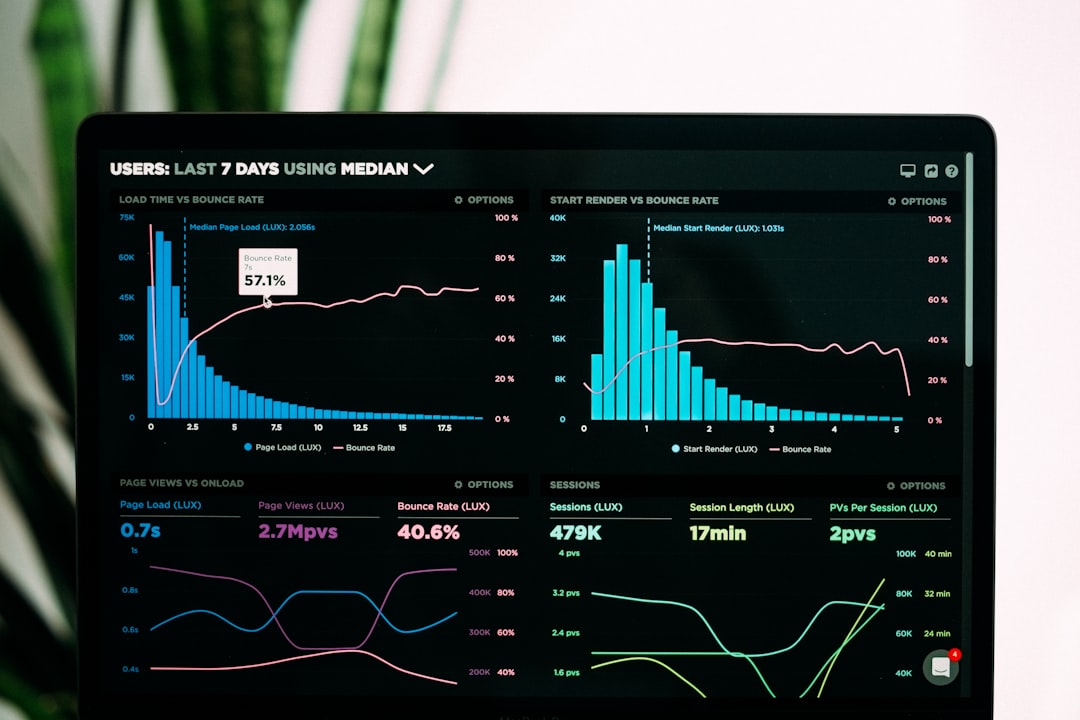
Real home IP addresses are a most useful gift to users that depend on foreign content. Students studying worldwide sources, tourists attempting to browse familiar websites from abroad, professionals working for a foreign client, or anyone who wants access to them without any restrictions all reap the benefits of the credibility attached to these IPs.
Unlike the shared VPN IPs that have the option to be blocked or identified if too many people use them at once, residential IPs retain credibility. They mimic the IP addresses that millions of real households use daily, making websites very less likely to raise suspicions and very more appealing to visitors.
Enhancing Privacy and Security
Security and privacy also contribute significantly to the choice of real-home IP addresses. Sites constantly mine data and collect data as we are watching how people browsed their web pages, then they are creating detailed profiles based on location, habits and behavior. Keeping your identity with a real home IP hides some of your original location and so is very useful for protecting you.
And this doesn’t interfere with the websites that you go to; it just hides your own privacy and the true information you make using it behind a well-placed and trusted connection. It can give people a better feel for your site browsing, especially when it comes to personal account management, sensitive content research or avoiding targeted advertising.
Application: Business and Professional
So, businesses and digital professionals have used real-home IP addresses heavily and for a different set of reasons here. A lot of companies use them in those tasks where they need to do a cross-region browsing, like market research or competitor analysis or quality assurance testing. Real-home IPs, while making these functions frictionless, avoid local limits, and enable websites to display the data just as it would be seen for an actual local user.
Social media managers use residential IPs to operate multiple profiles without generating security alerts, and e-commerce experts implement residential IPs to track global pricing and product trends. Even these automation tools run more securely in the real-home world because their use of real-home IPs lowers the error count, prevents bans, and helps workflows flow in the real world without any downtime.
Consistency and Reliability
A great advantage of utilizing real-home IP addresses is consistency. The stability that users may not find in normal server-based connections is provided by devices like routers. Few problems arise because websites inherently trust residential traffic. Pages load normally, forms submit successfully and accounts remain available. Individuals can meet daily needs without the constant terror of being rendered invisible or restricted. The browsing experience gets easier and becomes more predictable, essentially the way the internet was designed to function.
Everyday Use for Consumers
For normal Internet users, the impact of a real-home IP is straightforward but powerful. It gives back access, it gets rid of frustration and it restores free access to the browsing experience. Streaming of foreign content, reading international news, shopping on worldwide markets or visiting a website while traveling — the solution is unchanged. A real-home IP expands, rather than closes down, the online world.
Meeting Modern Expectations
The rise of real-home IP technology underscores one major truth about the modern internet: people seek freedom, privacy and fairness. They desire access to cross-border content, functionality of an internet without constant scanning and no need for intrusive systems that prevent them from accessing resources. The expectations are fulfilled by means of real-home IP addresses, which offer both authenticity and protection. They give the trust of the household connection with the flexibility in global browsing.
In an era when more and more websites are curtailing access and erecting digital gates, a real-home IP address serves as an easy and effective method of seizing control. They enable access to websites globally, privacy and a more efficient and full internet. But for our personal use, business needs and everyday use, for a global web of shared experiences as they are, they can stay the strongest navigational tool for an internet that should be open to everyone.