Every successful project has a structure, even when the work feels fast-moving, creative, or uncertain. The project life cycle gives teams a disciplined way to move from an initial idea to a finished result, while controlling scope, cost, quality, and risk. Whether the project is a software launch, office relocation, construction initiative, or marketing campaign, understanding the five phases helps leaders make better decisions and avoid preventable failure.
TLDR: The project life cycle usually includes initiation, planning, execution, monitoring and controlling, and closure. For example, a company launching a customer portal might first validate the business case, then build a schedule, develop the product, track progress, and finally review results after launch. In many organizations, projects with a documented plan and active risk management are significantly more likely to meet deadlines and budgets than projects managed informally. A practical life cycle turns complex work into manageable decisions, checkpoints, and deliverables.
The Five Phases of the Project Life Cycle
The five-phase model is commonly associated with traditional project management, but its logic applies across many industries and methodologies. Each phase has a distinct purpose, set of outputs, and decision points. Skipping one phase may seem efficient at first, but it often increases rework, confusion, and stakeholder dissatisfaction later.
1. Initiation
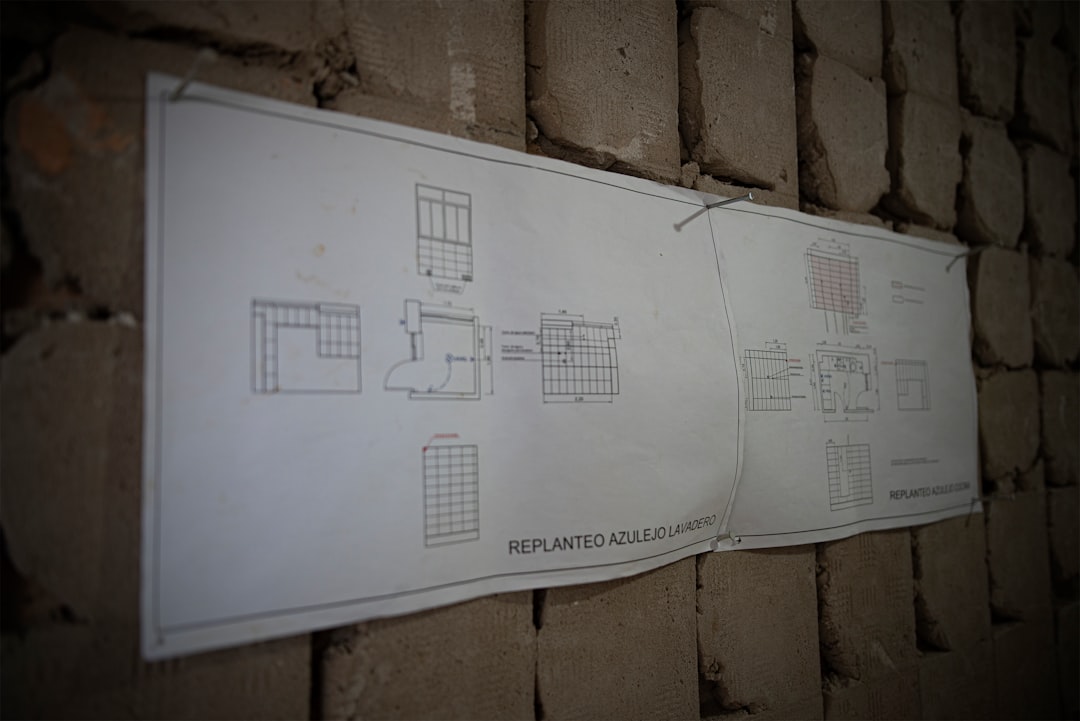
The initiation phase defines why the project should exist. At this stage, leaders evaluate the business need, expected benefits, high-level costs, risks, and feasibility. The main goal is not to solve every detail, but to decide whether the project is worth pursuing.
Typical outputs include a project charter, business case, stakeholder list, initial risk assessment, and approval to proceed. For example, a retail company may initiate a project to introduce self-checkout kiosks in 20 stores. Before planning the rollout, executives need to understand the expected reduction in checkout time, technology costs, training needs, and customer impact.
2. Planning
The planning phase converts the approved idea into a realistic roadmap. This is where the project team defines scope, schedule, budget, resources, quality standards, communication methods, procurement needs, and risk responses. A strong plan does not eliminate uncertainty, but it makes uncertainty visible and manageable.
Key planning documents may include a work breakdown structure, Gantt chart, budget baseline, resource plan, risk register, stakeholder communication plan, and acceptance criteria. In a website redesign project, planning might define the number of page templates, content migration responsibilities, approval workflows, testing requirements, and launch date.
- Scope: What is included and what is excluded?
- Schedule: When will each major deliverable be completed?
- Budget: What funds are approved, and where are cost controls needed?
- Risks: What could go wrong, and how will the team respond?
3. Execution
The execution phase is where the planned work is performed. Teams build deliverables, coordinate tasks, manage vendors, communicate with stakeholders, and resolve daily issues. This is often the most visible and resource-intensive phase of the project.
In a mobile app development project, execution includes designing interfaces, writing code, integrating payment systems, conducting usability sessions, and preparing release materials. The project manager’s role is to keep people aligned, remove obstacles, manage expectations, and ensure the team follows agreed processes.
Execution requires both authority and communication discipline. Status meetings, progress dashboards, issue logs, and decision records help prevent confusion. Without clear communication, even technically strong teams can miss dependencies, duplicate effort, or deliver work that does not meet stakeholder expectations.

4. Monitoring and Controlling
Monitoring and controlling occurs alongside execution rather than after it. This phase compares actual performance against the approved plan. Project managers track schedule variance, cost variance, quality metrics, risks, scope changes, and stakeholder satisfaction.
If a construction project is 15% over budget halfway through its timeline, monitoring data should trigger action before the overrun becomes unmanageable. Corrective actions might include revising procurement choices, adjusting staffing, reducing non-essential scope, or securing additional approval.
Change control is especially important here. A stakeholder may request “just one more feature,” but every addition can affect time, cost, testing, documentation, and training. Serious project management does not reject change automatically; it evaluates change transparently and approves it only when the impact is understood.
5. Closure
The closure phase formally completes the project. Deliverables are reviewed, accepted, transferred to operations, or handed over to the client. Contracts are closed, final invoices are processed, documentation is archived, and lessons learned are recorded.
Closure is often rushed, but it is one of the most valuable phases for organizational learning. A project review might reveal that the team met the launch date but underestimated training needs by 30%. That insight can improve future budgeting, staffing, and communication plans.
A proper closure process also protects accountability. It confirms whether the project achieved its objectives, who owns ongoing maintenance, and what unresolved issues remain.
Examples of the Project Life Cycle in Practice
Consider a small healthcare provider implementing an online appointment system. During initiation, leaders confirm that phone booking volume is increasing and patients want digital access. In planning, the team selects a vendor, defines privacy requirements, schedules staff training, and creates a launch plan. During execution, the system is configured, tested, and integrated with existing records. Monitoring tracks defects, vendor response time, patient adoption, and training completion. Closure confirms acceptance, transfers responsibility to operations, and documents lessons for future digital health projects.
Another example is a product marketing campaign. Initiation defines the campaign goal, such as generating 2,000 qualified leads in one quarter. Planning sets audience segments, channels, budget, messaging, and approval deadlines. Execution includes producing content, launching ads, hosting webinars, and coordinating sales follow-up. Monitoring evaluates conversion rates, cost per lead, and campaign performance. Closure compares results with targets and records recommendations for the next launch.
Common Project Management Methodologies
Different projects require different management approaches. The life cycle remains useful, but the way teams move through it depends on the methodology.
- Waterfall: A sequential approach where phases are completed in order. It is suitable for projects with stable requirements, such as compliance documentation or certain construction work.
- Agile: An iterative approach that delivers work in smaller increments. It is common in software, product development, and environments where requirements evolve.
- Scrum: A structured Agile framework using roles, sprints, sprint planning, reviews, and retrospectives.
- Kanban: A visual workflow method focused on limiting work in progress and improving flow.
- Hybrid: A combination of predictive planning and adaptive delivery. Many organizations use hybrid methods for projects with both fixed governance needs and flexible product development.
- PRINCE2: A process-driven method emphasizing business justification, defined roles, controlled stages, and formal governance.
Project Management Tips for Better Results
Start with a clear business case. A project should have a defined reason, measurable value, and an accountable sponsor. If the purpose is vague, prioritization will become difficult.
Define success early. Success should not mean simply “finished.” It should include measurable outcomes such as cost limits, delivery dates, quality levels, compliance requirements, customer adoption, or revenue impact.
Protect scope discipline. Scope creep is one of the most common causes of delay. Use a formal change process, and make trade-offs visible to decision-makers.
Communicate consistently. Stakeholders do not need every detail, but they do need timely, accurate, and relevant information. A simple weekly status report can prevent misunderstanding and build confidence.
Manage risks before they become problems. A risk register is only useful if it is reviewed regularly. Assign owners, define response plans, and update probability and impact as conditions change.
Document lessons learned. Teams improve when they capture what worked, what failed, and what should change next time. Lessons should be specific, practical, and accessible to future project teams.
Final Thoughts
The project life cycle is not bureaucracy for its own sake. It is a practical management framework that helps organizations invest resources wisely, coordinate people effectively, and deliver outcomes with fewer surprises. By understanding the five phases, selecting the right methodology, and applying disciplined project management habits, teams can turn complex goals into controlled, measurable, and successful results.