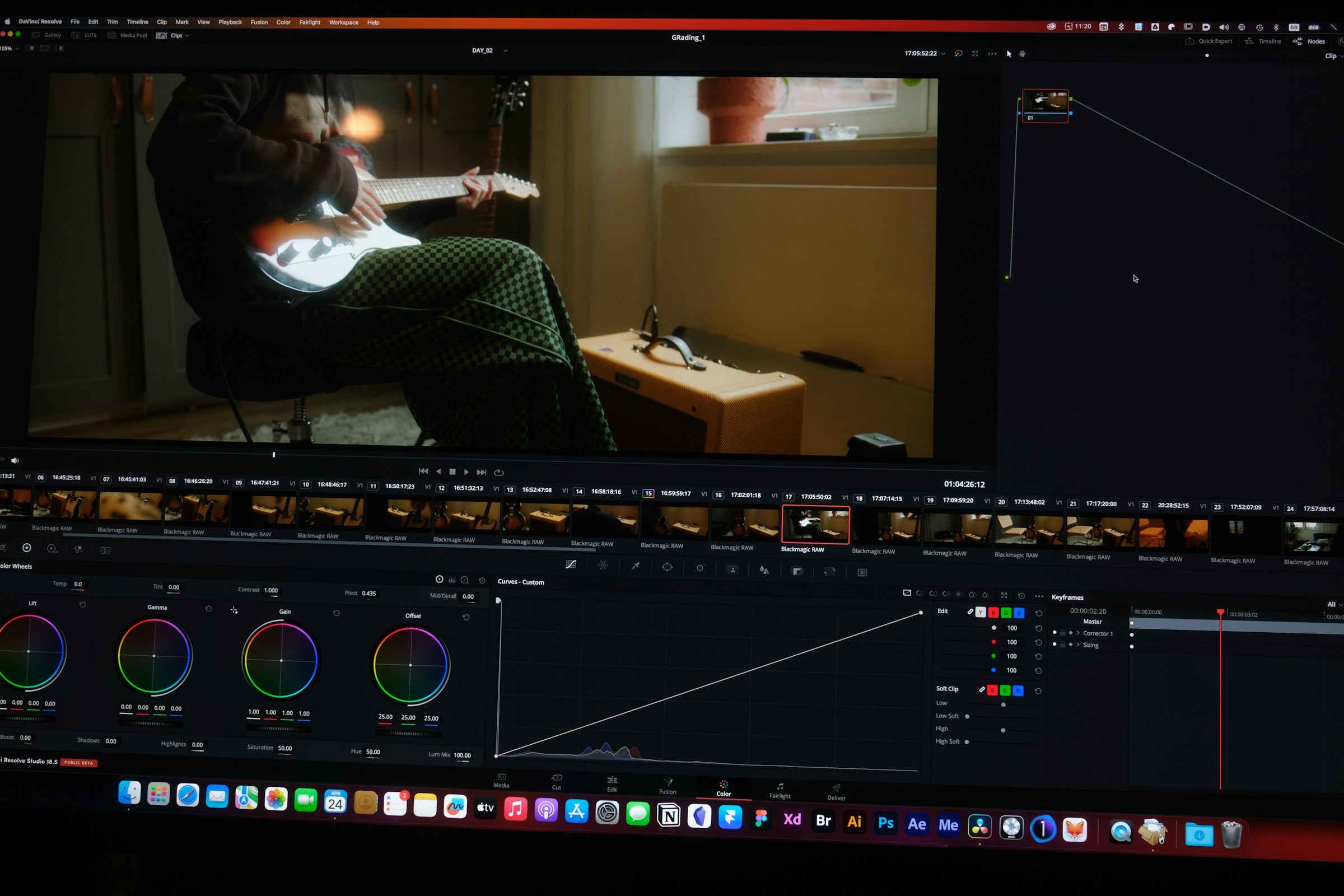
Video has become the default format for communication across most digital platforms. Businesses use it to explain products. Educators use it to teach. Creators use it to hold an audience. The demand has been clear for years; the production side has been the harder part.
Traditional video work involves a lot of steps: scripting, asset gathering, editing, motion design, review, revision. Each stage costs time, and for smaller teams or solo creators, managing all of it is genuinely difficult. That’s the problem AI video tools are being built around, and it’s why the Seedance 2.5 AI video maker is worth paying attention to.
The tool isn’t trying to do the creative thinking for you. It’s trying to handle the parts of production that slow people down before any real creative decision gets made.
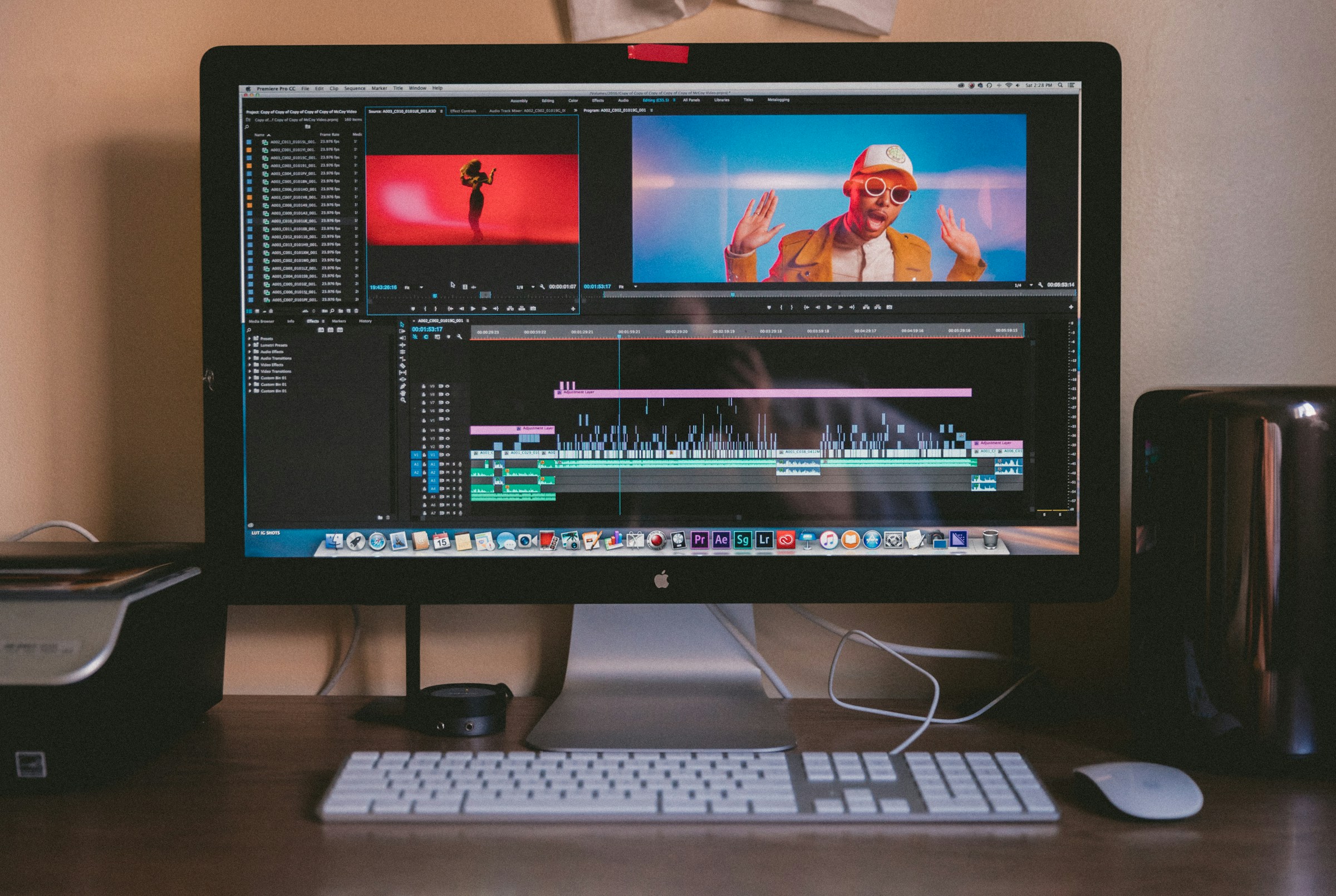
How AI Video Generation Has Changed
Earlier AI video tools were limited in ways that made them frustrating to use in practice. Output was inconsistent. Motion looked artificial. Anything beyond basic sequences needed so much post-processing that the time savings disappeared.
Newer systems have improved on those core issues. Scene consistency is more reliable. Motion is smoother and more natural. The models have gotten better at reading creative intent from a prompt, not just the literal words. Seedance 2.5 is part of that improvement cycle. When a system interprets what you’re asking for more accurately, you spend fewer rounds correcting output and more time actually moving the project forward.
The range of formats these tools can produce has also expanded. Promotional videos, product demos, educational explainers, short-form social content, animated presentations: all of these are now realistic outputs rather than edge cases that technically work but rarely look right.
What Happens When the Pipeline Compresses
The workflow benefit of AI video tools is concrete, even if it’s often described in vague terms. Instead of moving a project through five or six separate applications — scripting tools, storyboard software, animation platforms, editing suites — a creator working in an AI-assisted environment can handle most of that in one place.
That changes how much ground a small team can cover in a week. A marketing team that previously needed two weeks to produce a campaign video can now get a usable draft in a fraction of that time, test different angles, and refine the strongest version before a deadline arrives.
It also changes how collaboration works. When an AI-generated draft exists early in the process, designers, strategists, and editors can review it and give feedback before significant production resources are committed. That’s a fundamentally different dynamic than waiting until a near-finished version exists before anyone can weigh in.
Marketing Teams and the Volume Problem
Marketing has always had a volume problem. Content needs to go out across multiple channels, adapted for different audiences, formatted for different platforms. Doing that manually is expensive in both time and headcount.
With AI video generation, teams can speed up the concept stage. You are able to create and compare different visual versions before choosing the final one. Creative testing that formerly had to wait until the full production cycle can now take place at the draft level.
That means teams on a tight budget need to validate a direction before spending money on polished production. For teams on tight schedules, this means responding to a campaign pivot without waiting weeks for a new production run.
Social Media and the Speed Gap
Content on social platforms has a short window. A trend that’s relevant today can be completely irrelevant by Thursday. Creators who rely on traditional production timelines regularly miss those windows.
The Seedance 2.5 AI video maker helps close part of that gap. A creator can take a timely idea, generate a visual draft, and publish something coherent while the moment still has traction. That kind of speed was harder to achieve without significant production support.
For creators managing a regular publishing schedule, AI-assisted production also makes consistency more achievable. The work doesn’t disappear, but less of it gets stuck in the technical stages that tend to eat time without producing visible progress.

What AI Actually Does in Storytelling
AI generates scenes. It does not decide what story is worth telling or who it’s for. Those decisions still belong to whoever is running the project.
What the tools do well is handle assembly. A creator with a clear narrative can describe it and get a working draft back. An educator with a structured lesson can generate supporting visuals without building animation skills from scratch. A business owner who knows what they want to communicate can produce a demo without hiring a production company.
The technology functions as a capable production assistant. The creative direction has to come from a person who understands the goal, knows the audience, and can tell when something is working.
Review Is Not Optional
AI-generated video needs editorial review before it goes anywhere. Factual accuracy, brand voice, appropriate tone, visual quality: none of that is guaranteed by the generation process. A well-functioning system can still produce output that is coherent but factually wrong or tonally misaligned with the intended audience.
Organizations that adopt these tools benefit from building review into the process, not treating it as cleanup. That means knowing what gets checked, who is responsible for checking it, and what the standard is before something gets published. That’s not a limitation specific to AI; it’s how any production process should work. The difference is that AI tools can move so fast that it’s tempting to skip steps that exist for a reason.
Where AI Video Production Is Heading
The direction is toward closer collaboration between automated generation and human editing. Output quality will keep improving. Prompt interpretation will get more precise. The gap between an AI draft and something ready to publish will narrow.
The Seedance 2.5 AI video maker sits at a useful point on that curve — capable enough to work in real production workflows, improving quickly enough to be worth integrating, and built around the idea that human creative direction and AI production efficiency are more useful together than either is on its own.
For anyone producing video content with any regularity, whether for marketing, education, internal communication, or social media, that combination is worth understanding and worth building into how work gets done.