
Splitting money used to feel like cutting a pizza with a blindfold on. Who gets what slice? When do they get it? Did anyone take an extra pepperoni? In the world of online platforms, this “pizza” might be a payment from one customer that must go to many people. Think drivers, sellers, creators, hosts, couriers, affiliates, and service providers. Transparency is how platforms show every slice, every crumb, and every bite.
TLDR
Multi-recipient payments happen when one payment is split between several people or businesses. Platforms keep them transparent by showing fees, payout rules, timelines, and transaction records. For example, if a customer pays $100 for a food order, the restaurant might get $70, the courier $15, the platform $10, and taxes or fees may take $5. A clear dashboard helps everyone see those numbers before confusion turns into support tickets.
What Are Multi-Recipient Payments?
A multi-recipient payment is simple at heart. One payment comes in. Then it is divided among several recipients. This happens in many places.
- Marketplaces send money to sellers.
- Delivery apps pay restaurants and drivers.
- Creator platforms pay artists, partners, and collaborators.
- Travel platforms pay hosts, guides, and local services.
- Service apps pay freelancers, teams, and agencies.
It sounds easy. But it can get messy fast. A single order may include platform fees, taxes, tips, discounts, refunds, commissions, and currency conversion. That is a lot of tiny money Lego bricks.
So platforms need strong systems. They need to make the split easy to follow. They also need to make it fair, legal, and fast.
Why Transparency Matters
Money can make people nervous. Hidden fees make them even more nervous. If a seller expects $80 but receives $68, they want to know why. If a driver gets paid late, they want answers. If a creator shares revenue with three partners, everyone needs the same truth.
Transparency builds trust. It turns “Where is my money?” into “Ah, I see what happened.” That saves time. It lowers disputes. It reduces angry emails written in all caps.
For platforms, clear payment information is not just polite. It is good business. When users trust the payment system, they stay longer. They sell more. They invite others. Trust is sticky.
Clear Fee Breakdowns
The first rule is this: show the math.
Platforms usually display a payment breakdown. It may show the total paid by the customer. Then it lists each deduction or addition. This can include:
- Platform commission
- Payment processing fees
- Taxes
- Service fees
- Delivery fees
- Tips
- Refunds or adjustments
- Currency conversion costs
Here is a simple example. A customer pays $120 for a handmade lamp. The platform takes a 10% commission, which is $12. Payment processing costs $3. The seller receives $105. If the platform shows this clearly, the seller does not have to guess.
This is like a restaurant bill. You want to see the food, tax, tip, and total. You do not want a napkin that only says, “Pay money now.”
Real-Time Dashboards
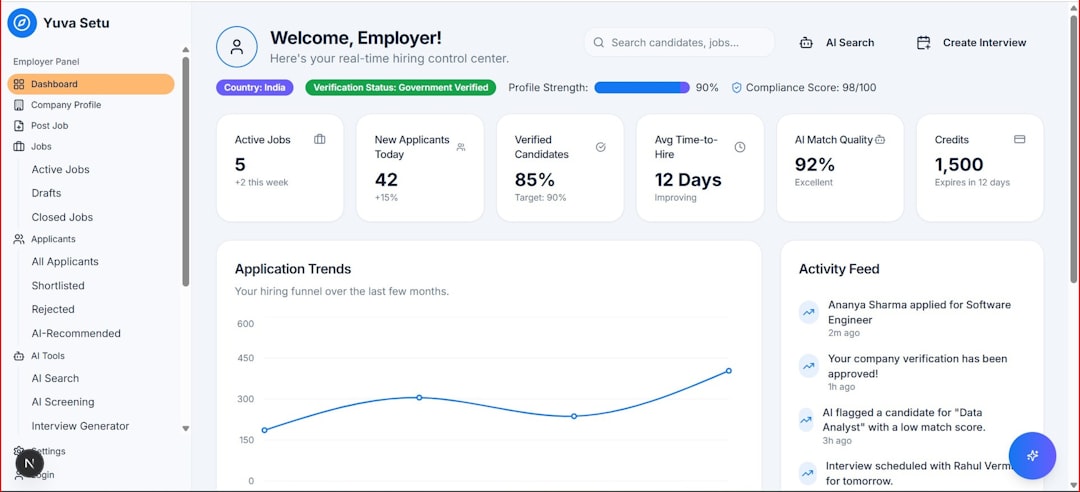
Dashboards are the control rooms of payment transparency. They show users what happened, what is happening, and what will happen next.
A good dashboard may include:
- Incoming payments
- Pending balances
- Completed payouts
- Expected payout dates
- Fees and deductions
- Refunds and disputes
- Recipient shares
Let’s say a fitness instructor sells a $60 online class. The platform splits the payment between the instructor, a music licensing partner, and the platform. The instructor opens the dashboard and sees everything in one place. No treasure map needed.
Real-time visibility is especially helpful when payouts are delayed. Maybe the bank is processing the transfer. Maybe identity checks are still pending. Maybe the customer requested a refund. A clear status label keeps everyone calm.

Transaction IDs and Digital Receipts
Every payment needs a name tag. That name tag is often a transaction ID. It helps platforms track each payment from start to finish.
Think of it like a package tracking number. You can see when the payment was created, processed, split, held, refunded, or paid out. If something goes wrong, support teams can find the exact record.
Digital receipts also help. They give users proof. A receipt may show:
- Date and time of payment
- Buyer name or order number
- Total amount
- Each recipient’s share
- Taxes and fees
- Payout method
- Payment status
This reduces confusion. It also helps with bookkeeping. Accountants love clean receipts. They may not throw confetti, but deep down, they are thrilled.
Rules That Are Set Before Payment
Transparency starts before the money moves. Platforms often define payment rules in advance. These rules explain who gets paid, how much they get, and when they get it.
For example, a rental platform may set this rule:
- The host gets 85% of the booking amount.
- The platform keeps 12%.
- A cleaning partner gets 3%.
- Payout happens 24 hours after check-in.
When rules are visible, people can plan. Hosts know what to expect. Partners know their share. The platform avoids awkward surprises.
Clear rules also make refunds easier. If a customer cancels, the system can reverse or adjust each recipient’s share. Everyone sees why the final amount changed.
Notifications That Actually Help
Good platforms do not make users stare at dashboards all day. They send updates. These updates are like little payment weather reports.
Useful notifications may say:
- “Your payment was received.”
- “Your payout is scheduled for Friday.”
- “A refund changed your balance.”
- “Your bank transfer is complete.”
- “Action needed: verify your account.”
The key is clarity. A message like “Payment event code 47B active” is not helpful. It sounds like a robot sneezed. A better message says, “Your payout is waiting until your bank account is verified.”
Compliance and Identity Checks
Platforms must follow payment laws. These laws help prevent fraud, money laundering, and tax problems. That means platforms may need to verify users before sending payouts.
This process is often called KYC, or “Know Your Customer.” It may ask for a legal name, address, tax ID, bank details, or business documents.
This may feel boring. It may even feel annoying. But it protects everyone. A transparent platform explains why the information is needed. It also shows the status of the review.
For example:
- Not started: Submit your details.
- In review: Documents are being checked.
- Approved: Payouts are enabled.
- Action needed: Upload a clearer document.
No mystery. No fog. Just steps.
Audit Trails: The Payment Paper Trail
An audit trail records every important action. It shows what changed, when it changed, and who caused the change. This is very useful for multi-recipient payments.
Imagine a group of three creators sharing income from a video course. One creator changes the split from 40%, 40%, and 20% to 50%, 30%, and 20%. That change should be logged. The platform should show the date and the user who made it.
Audit trails stop arguments before they grow legs. They also help platforms investigate mistakes. If a fee was applied twice, the record will show it. If a payout failed, the trail can explain why.
Simple Language Wins
Transparency is not only about data. It is also about words. Platforms should avoid confusing terms when simple ones work better.
Instead of “net remittance pending settlement,” say “Your payout is processing.” Instead of “negative balance reconciliation,” say “A refund reduced your available balance.”
Simple language makes users feel respected. It also makes the product easier for everyone, not just finance experts.
The Big Idea
Multi-recipient payments can look complicated behind the scenes. There may be banks, processors, rules, taxes, refunds, and legal checks. But users do not need to see the engine covered in wires. They need a clean steering wheel and clear speedometer.
The best platforms use clear breakdowns, real-time dashboards, receipts, notifications, audit trails, and plain language. Together, these tools make payment splits easy to understand.
In the end, transparency is simple. Show where the money came from. Show where it went. Show why it changed. Then everyone gets their slice of the pizza, with fewer crumbs on the floor.