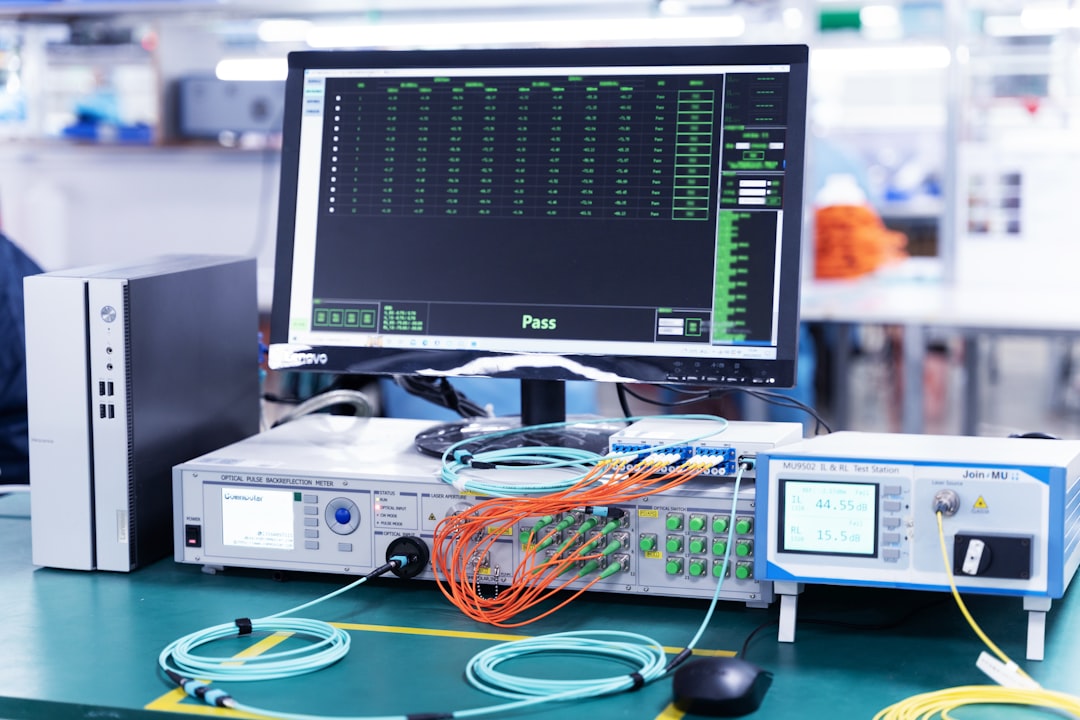
Improving production efficiency is no longer only a matter of buying faster machines or asking operators to work harder. In modern manufacturing, one of the biggest performance levers is the way work in process, or WIP, is monitored, controlled, and moved through the production system. Automated WIP uses connected equipment, sensors, software, and real-time data to reduce delays, expose bottlenecks, and help managers make decisions based on facts rather than assumptions.
TLDR: Automated WIP improves production efficiency by giving teams real-time visibility into where materials, parts, and jobs are in the production process. For example, a mid-sized electronics manufacturer that reduced manual WIP tracking and introduced barcode scanning, digital work orders, and live dashboards cut average queue time by 22% and improved on-time delivery by 15% within six months. The biggest gains usually come from reducing waiting time, preventing lost or misrouted work, and identifying bottlenecks before they become costly delays.
What Automated WIP Means in Practice
WIP refers to all materials, components, and partially completed products that are currently moving through production but are not yet finished goods. In many factories, WIP is still tracked with spreadsheets, paper travelers, handwritten logs, or periodic supervisor checks. These methods can work at a small scale, but they often create blind spots as production becomes more complex.
Automated WIP replaces or supports manual tracking with technologies such as:
- Barcode or QR code scanning at each production step
- RFID tags for automatic location and movement tracking
- Manufacturing execution systems that update job status in real time
- IoT sensors connected to machines, conveyors, and storage areas
- Digital dashboards showing queues, cycle times, and bottlenecks
- Automated alerts when jobs wait too long or deviate from the planned route
The goal is not simply to collect more data. The goal is to create a production environment where supervisors, planners, quality teams, and operators can see what is happening now and respond quickly.
Why Manual WIP Tracking Limits Efficiency
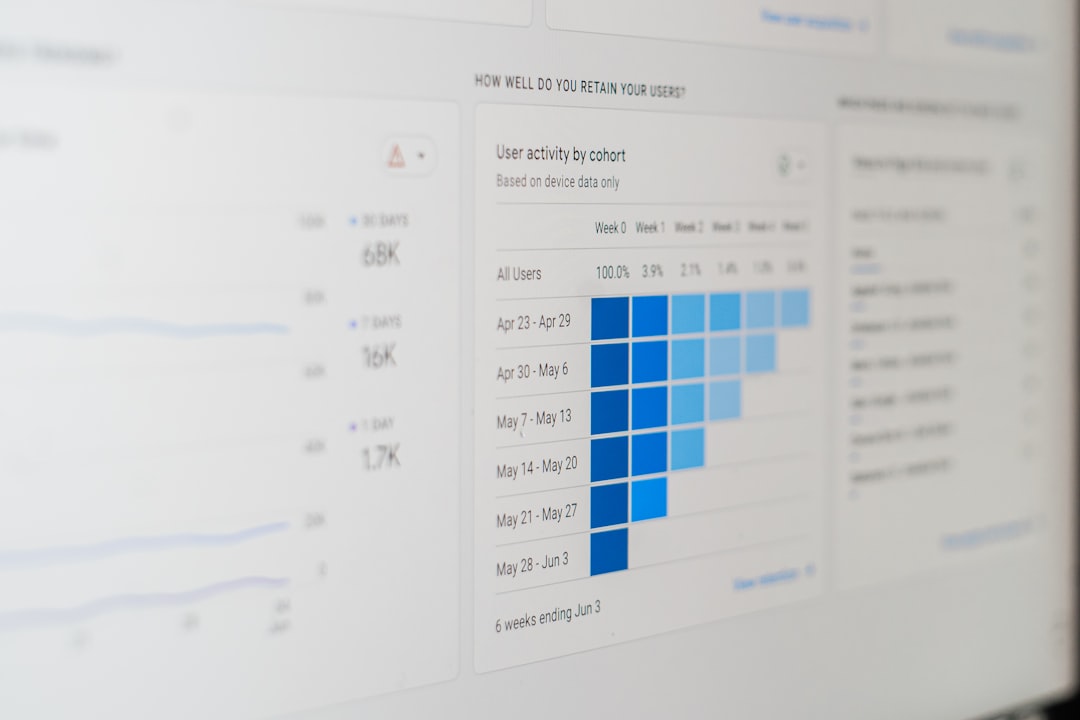
Manual WIP tracking often fails because it is delayed, incomplete, or inconsistent. A supervisor may know that a job was released to the shop floor in the morning, but not know whether it is waiting for inspection, stuck at a machine, or sitting in a staging area. By the time the issue is discovered, several hours or even days may have been lost.
Common problems caused by manual WIP control include:
- Hidden bottlenecks: Work accumulates between processes without immediate visibility.
- Excess inventory: Teams overproduce to compensate for uncertainty.
- Longer lead times: Jobs spend too much time waiting rather than being processed.
- Production errors: Outdated paperwork or incorrect routing leads to rework.
- Poor prioritization: Urgent jobs are difficult to identify and expedite accurately.
In a high-mix production environment, these issues can become especially damaging. When every order has different steps, materials, and timing requirements, reliable WIP visibility is essential.
How Automated WIP Improves Production Efficiency
The most immediate benefit of automated WIP is real-time visibility. When each job is scanned, sensed, or digitally updated at every operation, managers can see exactly where production stands. This reduces dependence on status meetings, phone calls, and physical searches across the plant.
Automated WIP also improves efficiency by reducing waiting time. In many factories, actual machine processing time is only a small fraction of total lead time. The rest is queue time, movement time, inspection delays, or administrative waiting. By measuring these intervals accurately, manufacturers can identify which delays matter most and address them with targeted changes.
Another major benefit is better capacity utilization. If one work center has an overloaded queue while another has available capacity, automated WIP systems can help planners rebalance work or adjust schedules. This makes it easier to use existing equipment and labor more effectively before investing in additional resources.
Quality control also improves. Automated WIP can enforce process steps, confirm that the right materials are used, and prevent a job from moving forward until required inspections are complete. This reduces the risk of defects reaching later production stages, where they are usually more expensive to correct.
Key Metrics to Track
To make automated WIP valuable, manufacturers should focus on a practical set of performance indicators. Too many metrics can create noise, while too few may hide problems. The most useful WIP-related metrics include:
- Cycle time: The time required to complete a process step or an entire production order.
- Queue time: How long jobs wait before being worked on.
- WIP aging: The amount of time a job has remained in process.
- Throughput: The number of units completed within a specific period.
- First pass yield: The percentage of products completed correctly without rework.
- On-time completion rate: The percentage of jobs finished according to schedule.
These metrics should be reviewed regularly, but they should also be visible during the workday. A dashboard that updates every few minutes can be more useful than a report reviewed at the end of the week.

Implementation Steps for Automated WIP
A successful automated WIP initiative should be structured and realistic. Attempting to automate everything at once can create disruption and resistance. A better approach is to begin with a clear business problem and expand from there.
- Map the current process. Document each production step, handoff, queue area, inspection point, and data entry requirement.
- Identify the biggest delays. Use existing records, operator feedback, and direct observation to determine where WIP accumulates.
- Select appropriate tracking technology. Barcode scanning may be sufficient for many operations, while RFID or sensor-based tracking may be better for high-volume or automated lines.
- Integrate with existing systems. WIP data should connect with scheduling, inventory, quality, and enterprise planning systems where possible.
- Start with a pilot area. Choose one line, product family, or department with measurable problems and clear improvement potential.
- Train operators and supervisors. Explain not only how the system works, but why accurate updates matter.
- Measure results and refine. Compare performance before and after implementation, then adjust workflows, alerts, and dashboards.
This staged approach helps build confidence. It also allows the organization to learn from early mistakes before scaling the system across the facility.
A Practical User Case Scenario
Consider a precision parts manufacturer producing custom components for industrial equipment. Before automation, supervisors walked the floor several times a day to locate priority jobs. Production planners relied on spreadsheet updates that were often several hours old. As a result, urgent orders were frequently expedited manually, disrupting other work and increasing overtime.
The company introduced barcode scanning at each operation, digital job travelers, and a WIP dashboard showing live queue status. After four months, the plant reduced average job search time from 35 minutes to under 8 minutes. Queue time before final inspection fell by 18%, and overtime related to emergency expediting declined by 12%. These improvements did not come from faster machines; they came from better visibility and faster decisions.
Common Mistakes to Avoid
Automated WIP can fail if it is treated only as a technology project. The system must support real operational discipline. If employees scan jobs inconsistently, ignore alerts, or continue using unofficial spreadsheets, the data will lose credibility.
Manufacturers should avoid these common mistakes:
- Automating a poorly understood process without first mapping the actual workflow
- Collecting data without action, which creates reporting burden but little improvement
- Overcomplicating the system with unnecessary fields, steps, or approvals
- Failing to involve operators, who often understand the real causes of delays
- Ignoring data accuracy, especially during the early rollout period
The best automated WIP systems are simple enough to use consistently and reliable enough to guide important production decisions.
Building a More Responsive Production System
Automated WIP is not only about tracking parts. It is about building a more responsive production system. When WIP data is accurate and timely, managers can identify constraints, prioritize work intelligently, reduce unnecessary inventory, and improve delivery performance.
For companies facing high customer expectations, labor constraints, and supply chain uncertainty, this visibility is increasingly important. Production efficiency depends on knowing what is happening, where it is happening, and what needs attention next. Automated WIP provides that foundation.
Manufacturers that implement it carefully can achieve measurable gains without immediately expanding capacity. By reducing waiting time, improving coordination, and making problems visible sooner, automated WIP helps convert existing resources into higher output, more predictable schedules, and stronger operational control.