
California is often reduced to its coastline, but the state’s most memorable travel experiences are not limited to sand, surf, and seaside sunsets. Inland California holds volcanic landscapes, alpine lakes, desert art, Gold Rush towns, ancient forests, and some of the most unusual geological formations in North America. For travelers who want a deeper understanding of the state, these places offer history, science, culture, and striking scenery far beyond the beach.
TLDR: California’s inland destinations are as compelling as its coast, with remarkable places ranging from volcanic parks and desert basins to historic towns and mountain lakes. Consider visiting Lassen Volcanic National Park, Mono Lake, Death Valley, Bodie, and Sequoia National Park for a broader view of the state. These locations reward travelers who enjoy unusual landscapes, quiet exploration, and meaningful natural or historical context.
1. Lassen Volcanic National Park
Located in northeastern California, Lassen Volcanic National Park is one of the state’s most underrated national parks. It contains all four types of volcanoes: shield, composite, cinder cone, and plug dome. This makes it a rare destination for travelers interested in geology, but it is also accessible enough for casual visitors who simply want dramatic scenery without the crowds found in more famous parks.
The park’s hydrothermal areas, including Bumpass Hell, feature steaming vents, boiling mud pots, and mineral-stained ground. These features are reminders that the region remains geologically active. Hiking trails range from short boardwalks to the more demanding climb up Lassen Peak, which offers wide views over forests, lakes, and volcanic terrain.
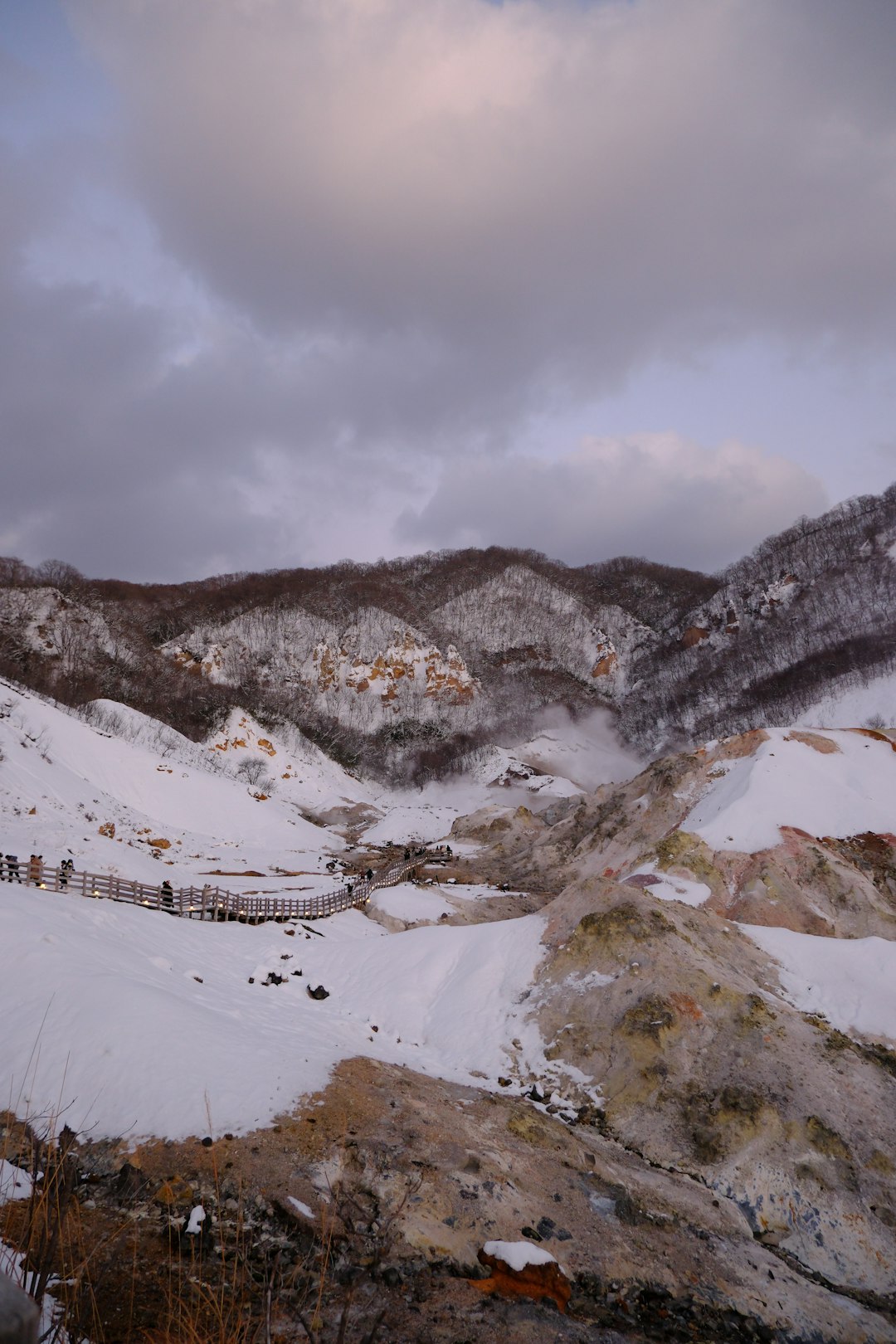
Because of its elevation, the park has a short summer season, and snow can linger well into June. Visitors should check road conditions before arriving. For those willing to plan carefully, Lassen offers a quiet and serious alternative to California’s more crowded natural attractions.
2. Mono Lake and the Eastern Sierra
Mono Lake, near the town of Lee Vining, is one of California’s most unusual natural sites. It is an ancient saline lake, estimated to be at least 760,000 years old, and is best known for its tufa towers: limestone formations that rise from the water and shoreline like sculptural ruins.
The lake is not suitable for ordinary swimming or fishing, but it is ecologically important. Millions of migratory birds rely on Mono Lake as a feeding and resting area. Its brine shrimp and alkali flies support a complex food web, making it a destination of international significance for birdwatchers and conservationists.
The surrounding Eastern Sierra region adds to the experience. Nearby, travelers can explore volcanic craters, high desert viewpoints, and mountain roads leading toward Yosemite’s eastern entrance. The contrast between the pale tufa, blue water, and snow-dusted peaks gives Mono Lake a stark beauty that feels unlike anywhere else in the state.
3. Bodie State Historic Park
For a serious look at California’s Gold Rush and mining history, Bodie State Historic Park is essential. Once a booming mining town, Bodie is now preserved in a state of “arrested decay.” This means buildings are maintained to prevent collapse, but they are not restored to a polished or idealized version of the past.
Walking through Bodie feels different from visiting a recreated pioneer village. The town’s remaining homes, saloons, schoolhouse, church, and mining structures suggest both ambition and hardship. Interiors are often visible through windows, with furniture, bottles, and household objects left in place. The result is a sober, believable portrait of life in a remote mining settlement.
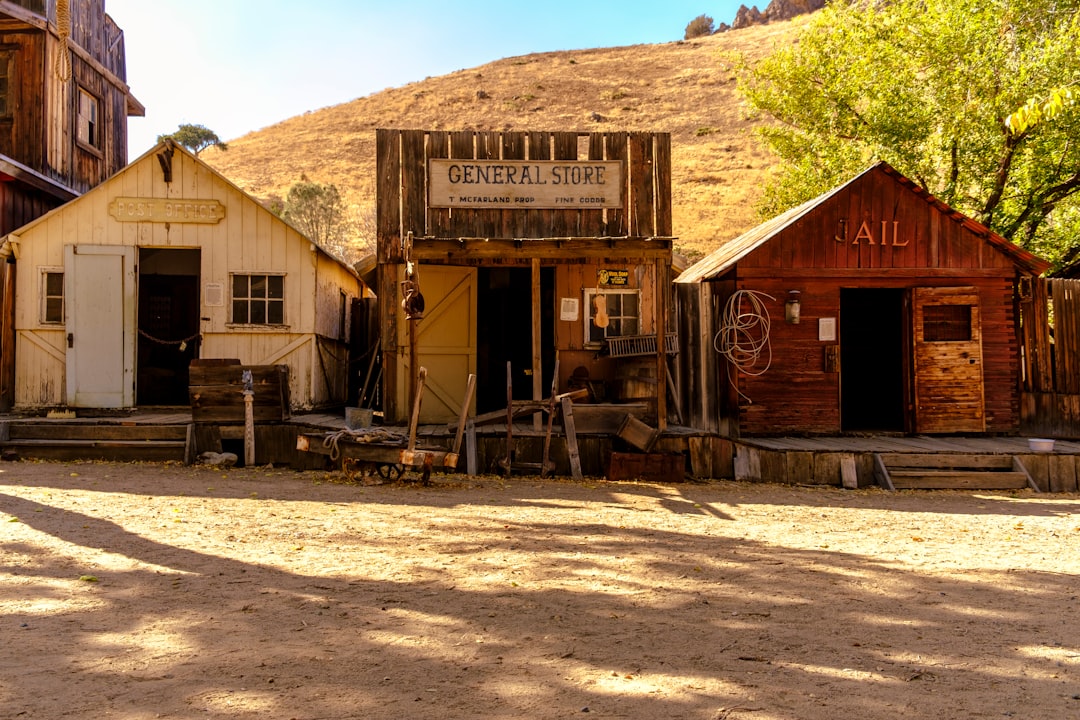
Bodie sits at a high elevation east of the Sierra Nevada, and the road can be rough in winter or after storms. Bring water, fuel, and layers of clothing. Its isolation is part of its impact, but visitors should treat the site with respect and avoid removing artifacts, which are protected by law.
4. Death Valley National Park
Death Valley National Park is famous for heat, but its value goes far beyond record temperatures. It is a vast desert landscape containing salt flats, canyons, sand dunes, volcanic craters, and colorful badlands. The park’s scale can be difficult to grasp until you travel through it by car and watch the terrain change hour by hour.
Key sites include Badwater Basin, the lowest point in North America, and Zabriskie Point, where eroded hills glow in early morning and late afternoon light. Mesquite Flat Sand Dunes offer a classic desert view, while Artists Drive reveals mineral-rich hills in muted reds, greens, and golds.
Death Valley requires careful preparation. Temperatures can be dangerous, especially from late spring through early fall. Visitors should carry more water than they think they need, avoid strenuous midday hikes in hot months, and keep a reliable vehicle. With proper planning, the park is one of California’s most impressive examples of extreme natural beauty.
5. Sequoia and Kings Canyon National Parks
While California has many forests, few places compare to the giant sequoia groves of Sequoia and Kings Canyon National Parks. These trees are not merely tall; they are massive, ancient organisms that can live for thousands of years. Standing near the General Sherman Tree, often cited as the largest tree on Earth by volume, is a humbling experience.
The parks also include deep canyons, granite peaks, meadows, and extensive wilderness. Many visitors focus only on the most famous trees, but the broader landscape deserves time. Kings Canyon, in particular, offers dramatic mountain scenery and a quieter atmosphere than some of California’s more heavily visited parks.
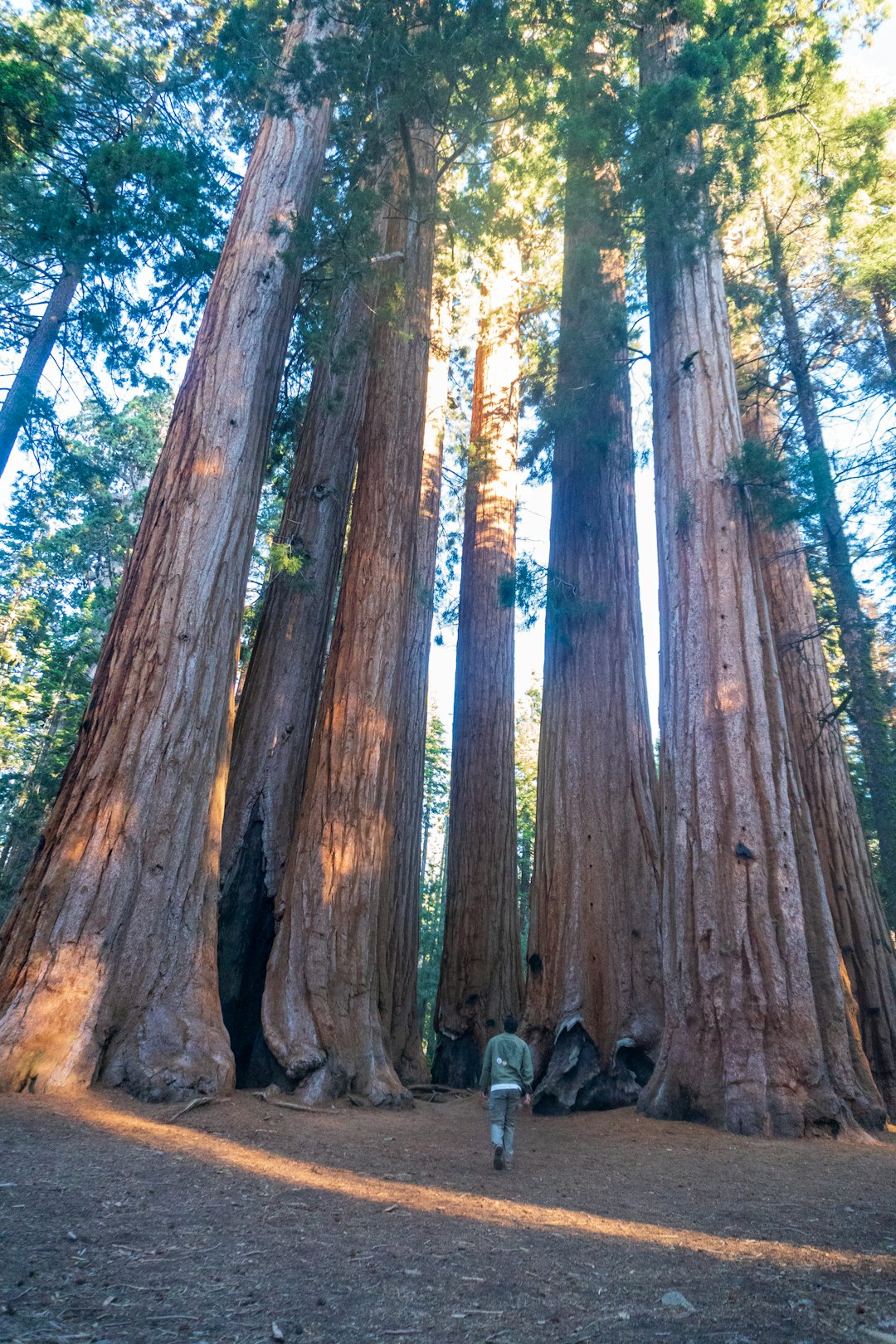
Because these parks rise to high elevations, seasonal conditions matter. Snow can affect access in winter, and some roads may close. Travelers should also be aware of wildfire conditions, which have become an increasingly important factor in planning trips to forested areas of California.
6. The Alabama Hills
The Alabama Hills, near Lone Pine, are a landscape of rounded rock formations set against the steep eastern face of the Sierra Nevada. The area has been used for countless films and television productions, especially Westerns, because of its open terrain and dramatic backdrop.
Unlike a formal national park, the Alabama Hills are managed as public land, so visitors should be especially careful to follow posted rules, stay on established routes, and protect fragile desert vegetation. The short hike to Mobius Arch is one of the most popular activities, offering a natural rock frame for views of Mount Whitney.
The region is particularly rewarding at sunrise, when the mountains catch the first light and the rocks take on warm tones. It is also a practical stop for travelers heading toward Death Valley, Mammoth Lakes, or the Eastern Sierra.
7. The Channel Islands’ Inland Character
Although the Channel Islands National Park is reached by boat, it should not be mistaken for a beach destination. The islands are valued for isolation, biodiversity, hiking, sea caves, and cultural history. Once ashore, visitors encounter rugged cliffs, grasslands, fox habitat, and coastal views that feel remote despite being relatively close to Southern California.
Santa Cruz Island is a common first choice because of its hiking routes and kayaking opportunities. The islands require more planning than many destinations: transportation depends on weather, services are limited, and visitors must bring essential supplies. This preparation is part of what keeps the experience quiet and distinctive.
Planning a More Meaningful California Trip
To explore California beyond the beaches, travelers should think in terms of regions rather than single attractions. The state is large, and distances can be significant. A trip through the Eastern Sierra, for example, can combine Mono Lake, Bodie, the Alabama Hills, and access to Death Valley. A northern route might include Lassen, Mount Shasta, and volcanic landscapes near the Oregon border.
- Check seasonal access: Mountain passes, park roads, and high-elevation trails may close due to snow.
- Plan for remote conditions: Desert and mountain areas may have limited fuel, cell service, or water.
- Respect protected places: Stay on trails, leave artifacts in place, and follow fire and wildlife rules.
- Allow enough time: Many inland destinations are best appreciated slowly, not as quick roadside stops.
California’s beaches are only one part of its identity. Its inland landscapes reveal a more complex state: volcanic, historic, desert, alpine, and ancient. For travelers seeking substance as well as scenery, these unique places provide a richer and more memorable understanding of California.