
Modern warehouses move fast. Pallets arrive, products are picked, orders are packed, and inventory levels change by the minute. In that environment, protecting stock is not just about locking doors at night; it is about maintaining visibility, accountability, and control across every aisle, dock, cage, and staging area. Warehouse video surveillance has become one of the most effective tools for reducing loss, improving operational awareness, and protecting the value of inventory from both internal and external risks.
TLDR: Warehouse video surveillance improves inventory protection by giving businesses continuous visibility into stock movement, employee activity, loading areas, and restricted zones. It helps prevent theft, reduce shrinkage, verify incidents, and support faster investigations when discrepancies occur. When combined with good warehouse processes, access control, and inventory management systems, surveillance becomes a powerful layer of protection that strengthens both security and efficiency.
Why Inventory Protection Matters More Than Ever
Inventory is often one of the largest assets a company owns. Whether a warehouse stores electronics, apparel, food, pharmaceuticals, tools, automotive parts, or industrial equipment, every item represents money, customer expectations, and operational planning. When products go missing, are damaged, or are recorded incorrectly, the impact can spread quickly across the business.
Inventory loss can lead to delayed orders, incorrect stock counts, customer dissatisfaction, and higher operating costs. Even small recurring losses can add up to significant financial damage over time. For companies that operate on thin margins, shrinkage can quietly eat into profitability before management fully understands what is happening.
Video surveillance helps solve this problem by creating a visual record of what happens inside and around the warehouse. Instead of relying only on spreadsheets, scanner data, or employee reports, managers can review actual footage to understand how inventory moves, where mistakes occur, and whether suspicious activity needs further investigation.
Deterring Theft Before It Happens
One of the most immediate benefits of warehouse surveillance is deterrence. Cameras placed in visible locations send a clear message: activity is being monitored. This can discourage opportunistic theft by visitors, contractors, delivery drivers, and even employees who might otherwise attempt to remove items without authorization.
Warehouses are especially vulnerable because inventory is often stored in large quantities, sometimes in open rack systems or staging zones. High-value products may sit temporarily near shipping docks or in pick areas before being scanned out. Without strong monitoring, these moments create opportunities for theft.
Visible cameras near entrances, exits, loading docks, receiving areas, and high-value storage locations reduce the sense of anonymity. People are less likely to take risks when they know their actions may be recorded and reviewed. In this way, video surveillance does not simply catch incidents after the fact; it can prevent them from occurring at all.

Reducing Internal Shrinkage
Not all inventory loss comes from outside threats. Internal shrinkage can be a serious issue in warehouses, especially when many employees, temporary workers, or third-party logistics partners have access to stock. Most employees are honest, but even a small number of bad actors can cause substantial losses.
Video surveillance helps protect inventory by creating accountability. When cameras cover picking zones, packing stations, stockrooms, returns areas, and outbound staging lanes, it becomes easier to verify whether procedures are being followed. If items regularly disappear from a certain zone, managers can review footage to identify patterns.
For example, footage may reveal:
- Products being removed from shelves without proper scanning
- Items being hidden in personal bags, bins, or trash containers
- Unauthorized access to restricted storage areas
- Incorrect handling of returns or damaged goods
- Inventory being moved to the wrong location without documentation
This visibility is valuable not only for catching theft, but also for distinguishing between dishonesty and process failure. Sometimes inventory discrepancies are caused by mistakes, poor labeling, rushed picking, or unclear workflows rather than intentional misconduct. Video evidence helps managers respond appropriately.
Monitoring Loading Docks and Receiving Areas
Loading docks are among the most important surveillance points in any warehouse. This is where goods enter and leave, where delivery drivers interact with staff, and where inventory can be vulnerable to miscounts, damage, or unauthorized removal.
A truck may arrive with partial freight, damaged shipments, or mismatched paperwork. Without video, disputes can become a matter of one person’s word against another’s. With surveillance footage, managers can verify what was unloaded, when it arrived, how it was handled, and whether it was placed in the correct receiving area.
On the outbound side, surveillance can confirm that the correct pallets or cartons were loaded onto the right vehicle. This is especially useful when customers report missing items or when carriers deny responsibility for damaged goods. Video can show whether an order was complete before departure and whether it was handled properly during loading.
In busy warehouses, dock activity can become chaotic. Cameras bring order to that chaos by preserving a reliable visual timeline.
Improving Accuracy in Picking, Packing, and Shipping
Inventory protection is not only about stopping theft. It is also about preventing avoidable errors that lead to lost goods, incorrect shipments, and reconciliation problems. Video surveillance supports accuracy by allowing managers to review how products are picked, packed, labeled, and staged.
For example, if a customer claims they received the wrong item, footage from the packing station may show whether the wrong SKU was packed, whether the label was applied incorrectly, or whether the package was switched later in the process. This can reduce the time spent investigating customer complaints and improve the quality of future fulfillment.
Surveillance can also help identify training gaps. If employees repeatedly bypass scanning procedures, place items in the wrong bins, or fail to check order details before sealing packages, managers can use footage to improve coaching and standard operating procedures.
Better visibility leads to better processes. When teams know where mistakes happen, they can fix the root cause rather than simply correcting the same errors again and again.
Protecting High-Value and Sensitive Inventory
Some warehouse items require extra layers of protection. These may include electronics, luxury goods, controlled substances, medical products, alcohol, tobacco, tools, replacement parts, or confidential business materials. In these cases, video surveillance is often essential for both security and compliance.
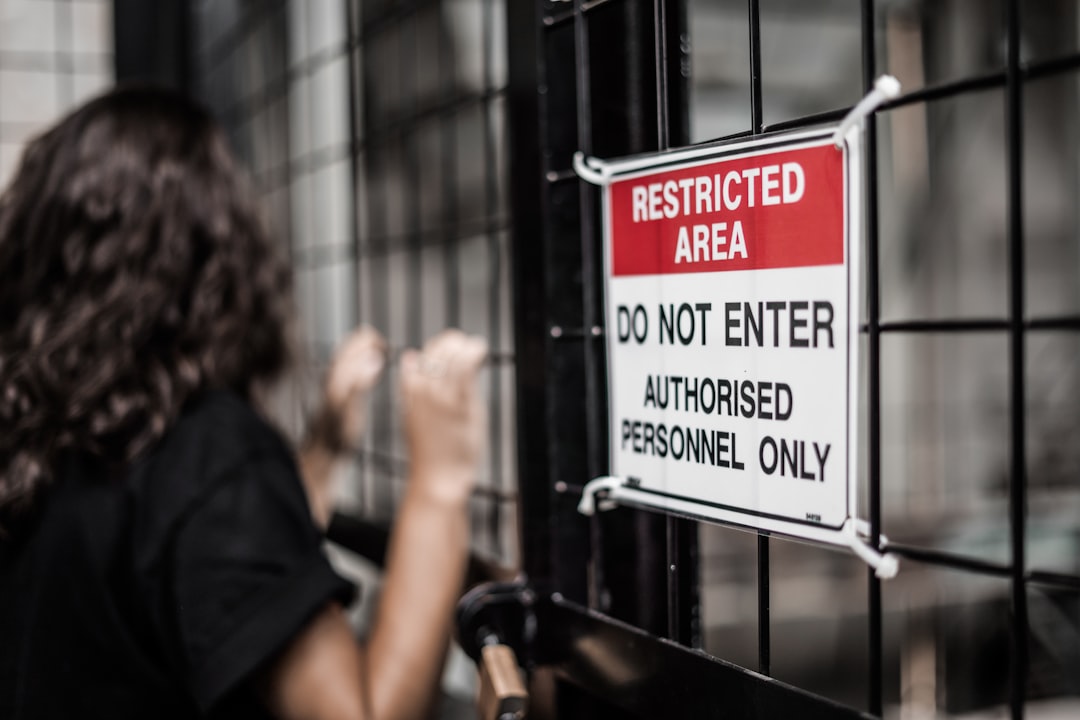
High-value inventory should be stored in restricted zones with camera coverage at entry points and throughout the storage area. Cameras can be paired with access control systems so managers can see not only who entered, but also what happened after they entered. This combination makes it harder for unauthorized activity to go unnoticed.
For sensitive goods, surveillance can also support chain-of-custody documentation. If an item must be handled only by authorized staff, footage can confirm that procedures were followed. This is especially important in industries where regulatory audits, insurance claims, or customer contracts require clear proof of secure handling.
Supporting Faster Investigations
When inventory discrepancies appear, time matters. The longer a business waits to investigate, the harder it becomes to identify the cause. Employees may forget details, stock may be moved again, and useful evidence may disappear. Video surveillance gives warehouse managers a practical way to investigate quickly and accurately.
Instead of interviewing multiple people and searching through paperwork alone, managers can review footage from key times and locations. If inventory management software shows that an item was last scanned at 2:17 p.m. in aisle 12, surveillance can help trace what happened immediately before and after that scan.
Modern surveillance systems often include features such as motion search, time filters, camera grouping, and remote playback. These tools make it much easier to locate relevant footage without watching hours of video manually. Some systems also integrate with barcode scans, access logs, point-of-sale records, or warehouse management systems, creating a more complete investigative picture.
Improving Employee Safety While Protecting Inventory
Inventory protection and employee safety often overlap. A safer warehouse is usually a more controlled warehouse, and a more controlled warehouse is less likely to suffer inventory loss. Surveillance cameras can help identify unsafe behaviors that also put products at risk, such as reckless forklift driving, improper pallet stacking, blocked aisles, or careless handling of fragile goods.
If a pallet collapses, a forklift strikes a rack, or boxes are damaged during movement, footage can clarify exactly what happened. This supports fair incident reviews and better safety training. It may also help determine whether damaged inventory should be written off, claimed through insurance, or addressed through improved handling procedures.
In this sense, video surveillance protects inventory by reducing the accidents and process failures that cause products to become unsellable. It also encourages a culture of responsibility, where employees understand that safe and careful work is part of protecting the business.
Reducing False Claims and Disputes
Warehouses regularly deal with claims involving missing goods, damaged shipments, late deliveries, short orders, and incorrect loading. Without visual proof, these disputes can be expensive and difficult to resolve. A customer may insist an item was never shipped, while a carrier may claim a pallet was already damaged before pickup.
Surveillance footage can provide objective evidence. It can show whether a shipment left the facility intact, whether cartons were damaged before loading, or whether a carrier failed to secure freight properly. This evidence may reduce unnecessary refunds, replacement shipments, or insurance disputes.
For businesses that handle large volumes of orders, even a small reduction in false or mistaken claims can produce meaningful savings. Video does not eliminate every dispute, but it gives warehouse teams a stronger position when facts are questioned.
Key Areas Where Cameras Should Be Placed
Strategic camera placement is essential. A warehouse does not necessarily need a camera in every corner, but it does need coverage in the areas where inventory risk is highest. Blind spots can weaken the entire security plan, especially if they occur near exits, valuables, or transition points.
Important surveillance locations include:
- Receiving docks: To verify incoming shipments, unloading activity, and initial product condition
- Shipping docks: To confirm outbound orders, carrier pickup, and loading accuracy
- Entrances and exits: To monitor employee, visitor, and vehicle movement
- High-value storage areas: To protect expensive or sensitive goods
- Picking aisles: To review product selection and stock movement
- Packing stations: To verify order contents, labeling, and packaging processes
- Returns areas: To prevent misuse, fraud, or mishandling of returned goods
- Waste and disposal zones: To detect attempts to conceal products in trash or recycling
- Parking lots and yards: To monitor trailers, containers, and after-hours activity
Coverage should be planned based on workflow. The goal is to follow inventory from arrival to storage, from storage to picking, and from packing to final shipment. When cameras support the natural movement of goods, they become far more useful during investigations.

The Role of Modern Video Analytics
Traditional surveillance depended heavily on someone watching live feeds or reviewing recorded footage after an incident. Today, modern systems can do much more. Video analytics can help detect unusual movement, after-hours activity, line crossing, loitering, and unauthorized access to restricted zones.
For example, if someone enters a high-value storage area after closing time, the system can send an alert to security staff or managers. If motion is detected near a trailer yard during the night, the system can trigger recording, lighting, or remote monitoring. These automated alerts help warehouses respond faster to potential threats.
Some systems can also support people counting, vehicle recognition, and object detection. While these tools must be chosen carefully and used responsibly, they can add significant value in warehouses with complex operations or large facilities where human monitoring alone is not practical.
Integration With Access Control and Inventory Systems
Video surveillance becomes even more powerful when it is integrated with other warehouse technologies. Access control systems, for example, can record who entered a sensitive area and at what time. When paired with video, managers can verify whether the person used their own credentials, whether anyone followed them inside, and what occurred while the door was open.
Integration with warehouse management systems can also improve investigations. If a product scan, stock adjustment, or shipment confirmation is linked to a timestamp, managers can quickly pull up video from the matching time and location. This reduces guesswork and helps connect digital records with real-world activity.
The result is a more complete security ecosystem. Inventory data shows what changed, access records show who was nearby, and video shows how it happened.
Best Practices for Using Surveillance Effectively
To get the most value from warehouse video surveillance, businesses should treat it as part of a broader inventory protection strategy. Cameras are powerful, but they work best when supported by clear policies, good lighting, reliable storage, and consistent procedures.
Useful best practices include:
- Conducting a risk assessment before installing or expanding camera coverage
- Ensuring cameras capture clear images, not just wide but unusable views
- Using proper lighting in aisles, docks, yards, and entrances
- Setting appropriate video retention periods based on business needs
- Restricting access to footage to authorized personnel only
- Posting notices where required by law or company policy
- Regularly testing cameras, recording systems, and remote access
- Reviewing footage as part of incident response and process improvement
It is also important to communicate clearly with employees. Surveillance should not be presented as a tool for constant suspicion, but as a way to protect inventory, improve safety, investigate incidents fairly, and support the success of the operation.
Privacy and Policy Considerations
While surveillance is valuable, it must be used responsibly. Businesses should understand local laws and regulations related to workplace monitoring, audio recording, signage, employee notification, and data retention. In many places, video monitoring is allowed in operational areas but restricted in private spaces such as restrooms, locker rooms, and break areas.
A written surveillance policy can help prevent confusion. It should explain why cameras are used, where they are located, who can access footage, how long recordings are stored, and how footage may be used during investigations. Clear rules build trust and reduce the risk of misuse.
Responsible surveillance protects both the business and its employees. The goal is not to create a hostile workplace, but to maintain a secure, transparent, and efficient environment.
A Stronger Warehouse Starts With Better Visibility
Warehouse video surveillance improves inventory protection by providing something every operation needs: visibility. It helps deter theft, reduce shrinkage, verify shipments, investigate discrepancies, protect high-value goods, and improve everyday processes. In a fast-moving warehouse, where products can change hands many times before leaving the facility, that visibility is essential.
The best surveillance systems are not just security tools; they are operational intelligence tools. They show where inventory is vulnerable, where workflows break down, and where training or process improvements are needed. When combined with strong procedures and modern warehouse technology, video surveillance becomes a practical investment that protects stock, people, customers, and profit.
In the end, inventory protection is about confidence. Businesses need confidence that products are where they should be, that orders are handled correctly, and that losses can be prevented or investigated quickly. Warehouse video surveillance delivers that confidence by turning unseen activity into clear, actionable information.