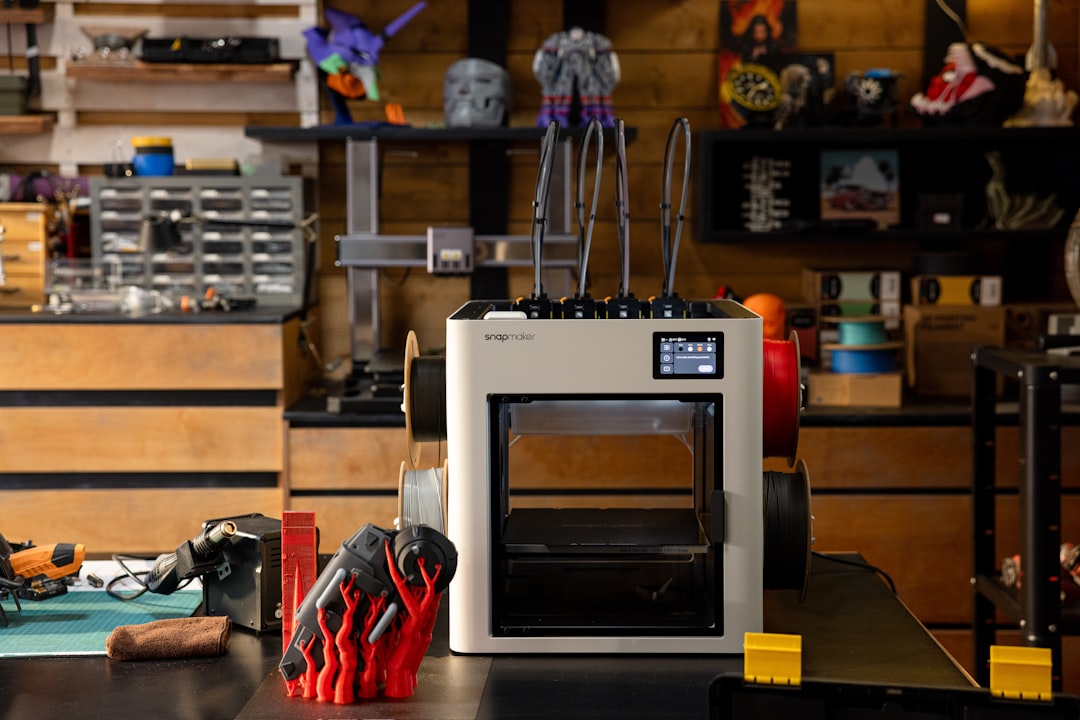
Manufacturers have always searched for ways to develop better products faster while spending less money. In the past, creating a physical prototype often required expensive tooling, outsourced machining, long lead times, and multiple rounds of costly revisions. Today, rapid prototyping with 3D printers has changed that process by allowing companies to create, test, and improve product concepts directly from digital files. This shift has made product development more flexible, more affordable, and far less dependent on traditional production methods during the early stages.
TLDR: Rapid prototyping with 3D printers reduces manufacturing costs by shortening development cycles, lowering tooling expenses, and helping teams identify design problems earlier. It allows manufacturers to test multiple versions of a product quickly without committing to expensive molds or production runs. By improving communication, reducing waste, and supporting faster iteration, 3D printing helps companies bring better products to market at a lower overall cost.
What Rapid Prototyping Means in Manufacturing
Rapid prototyping refers to the quick creation of a physical model, sample, or functional part based on a digital design. Instead of relying on traditional manufacturing techniques such as injection molding, CNC machining, or casting for every test version, a company can use a 3D printer to produce a prototype layer by layer.
This process is especially valuable during the early stages of product development. Engineers, designers, and decision-makers can hold a real version of the product, evaluate its shape, test its fit, and identify flaws before large investments are made. Because the prototype is generated from a digital file, changes can be made quickly in computer-aided design software and printed again with minimal delay.
The key advantage is speed combined with cost control. A manufacturer no longer needs to wait weeks for a supplier to create a sample or pay for custom tooling before validating a concept.
Lower Tooling Costs
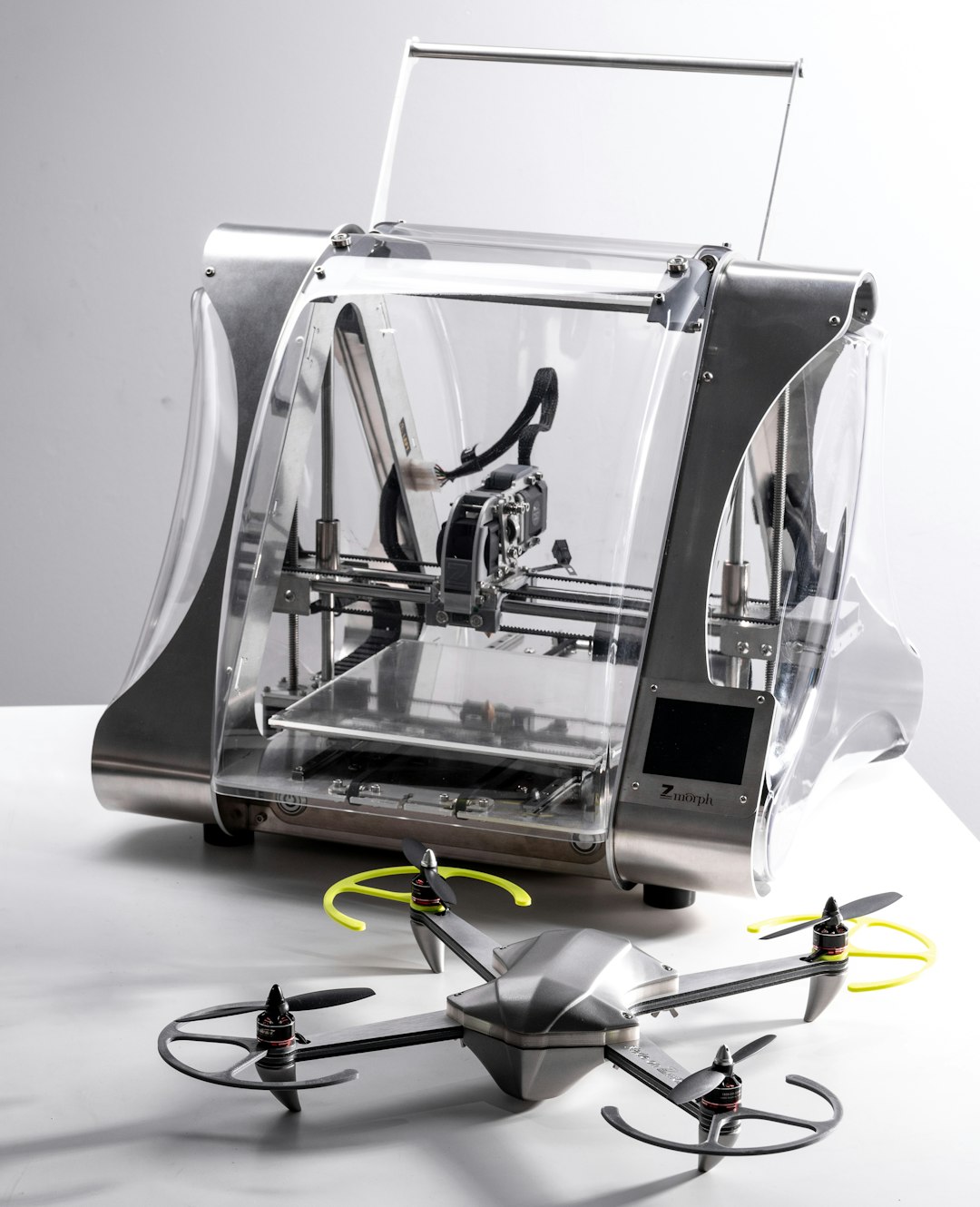
One of the biggest ways 3D printing reduces manufacturing costs is by minimizing or eliminating the need for early-stage tooling. Traditional manufacturing often requires molds, dies, jigs, or fixtures before even a basic prototype can be made. These tools can be expensive to design and produce, especially when the product is still likely to change.
For example, injection molding requires a mold that may cost thousands or even tens of thousands of dollars. If the design changes after testing, the mold may need to be modified or replaced. This creates a major financial risk during product development.
With rapid prototyping, a company can print multiple versions of a part without purchasing full production tooling. This allows the design team to refine the product before any expensive manufacturing equipment is created. As a result, tooling investment can be delayed until the design is much more mature and reliable.
- Fewer premature tooling expenses during concept development
- Reduced mold modification costs caused by design changes
- Lower financial risk before mass production begins
- More confidence before committing to final tooling
Faster Design Iteration
In traditional product development, each design revision can take days or weeks to manufacture and evaluate. This slow cycle increases labor costs, delays production schedules, and can push back a product launch. Rapid prototyping speeds up this cycle dramatically.
A design team can create a prototype in the morning, evaluate it in the afternoon, make improvements, and print a new version overnight. This rapid feedback loop makes it easier to test several ideas without significantly increasing costs.
Faster iteration also encourages innovation. When the cost of testing a new idea is low, designers are more likely to experiment with improved shapes, lighter structures, better ergonomics, or simplified assemblies. Some of these improvements may reduce manufacturing costs later by decreasing material use, simplifying part geometry, or combining multiple components into one printed or molded part.
Early Detection of Design Problems
Finding a design flaw after mass production has started can be extremely expensive. A small mistake may lead to scrapped inventory, delayed shipments, warranty claims, product recalls, or damaged customer trust. Rapid prototyping helps prevent these problems by allowing teams to detect issues before the product reaches full production.
A physical prototype can reveal problems that may not be obvious on a computer screen. The part may be too fragile, too heavy, difficult to assemble, uncomfortable to use, or incompatible with other components. By discovering these issues early, the manufacturer can correct them before they become expensive production defects.
Early validation saves money because mistakes are cheaper to fix during design than during manufacturing. A digital file can be updated quickly, while a production line may require new tooling, revised supplier contracts, and extensive quality checks.
Reduced Material Waste
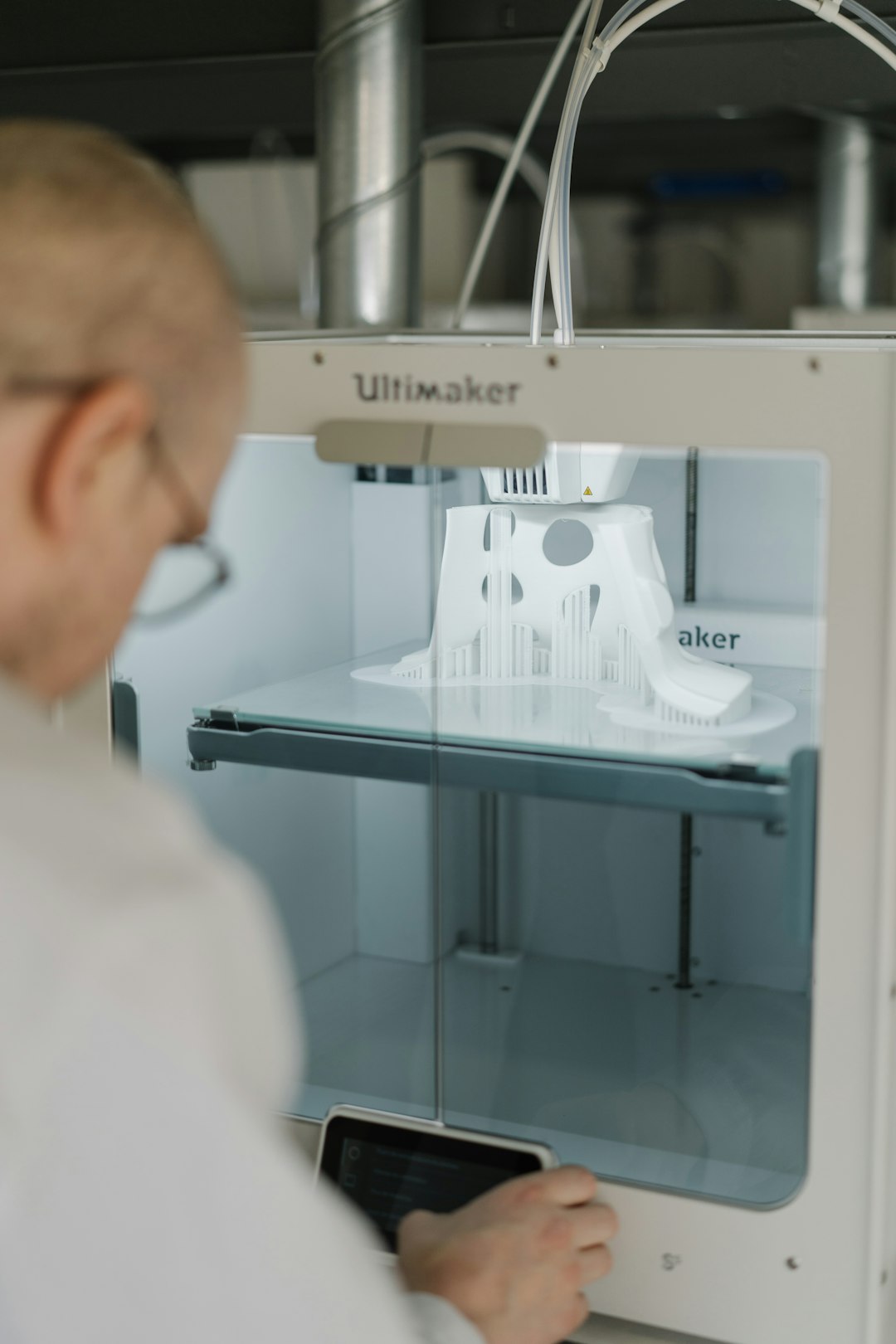
Many traditional manufacturing processes are subtractive. This means material is cut, milled, drilled, or carved away from a larger block. The unused material may become scrap, especially when working with metals or specialty plastics. In contrast, most 3D printing processes are additive, meaning material is placed only where it is needed.
This additive approach can significantly reduce waste during prototyping. While some support material may still be required, the overall material use is often lower than with traditional machining. For companies working with expensive materials, this can create meaningful savings.
Reduced waste also supports sustainability goals. Manufacturers can lower material consumption, reduce disposal costs, and improve the environmental profile of product development. Although not every 3D printing material is recyclable, the ability to produce only what is needed remains a major advantage.
Lower Outsourcing and Shipping Expenses
Before 3D printers became more accessible, many companies outsourced prototype production to specialized shops. While outsourcing is still valuable for certain advanced parts, it can add costs for labor, shipping, communication, and scheduling. It can also create delays when suppliers are busy or located far away.
By using in-house 3D printers, manufacturers can produce prototypes on demand. This reduces dependence on external vendors and allows internal teams to control the schedule more closely. Even when a company still outsources some high-end prototypes, internal 3D printing can reduce the number of outsourced iterations.
This approach is particularly useful for small and medium-sized manufacturers. Instead of paying for every small revision to be made externally, they can print many design variations internally and only send the most refined version for specialized production if needed.
Improved Communication Between Teams
Miscommunication can be costly in manufacturing. Engineers, designers, marketers, executives, suppliers, and customers may all interpret a digital rendering differently. A physical prototype gives everyone a shared reference point.
When stakeholders can hold and examine a prototype, discussions become clearer. Questions about size, shape, function, assembly, and appearance are easier to answer. This reduces the risk of approving a flawed design due to misunderstanding.
A prototype often communicates more effectively than a drawing, spreadsheet, or presentation. It allows teams to make faster decisions and avoid unnecessary redesigns later in the process.
Support for Functional Testing
Modern 3D printers can create more than visual models. Depending on the printer type and material, prototypes can be used for functional testing, fit checks, stress evaluation, airflow analysis, assembly trials, and user testing. This makes it possible to validate product performance before investing in production.
For example, a manufacturer developing a plastic enclosure can print a prototype to test whether internal components fit correctly. A company designing a medical device handle can evaluate comfort and grip. An automotive supplier can test the placement of clips, connectors, or mounting points before tooling is created.
Functional testing helps reduce costs by preventing avoidable production errors. It also helps improve product quality, which may reduce warranty expenses and customer complaints after launch.
Shorter Time to Market
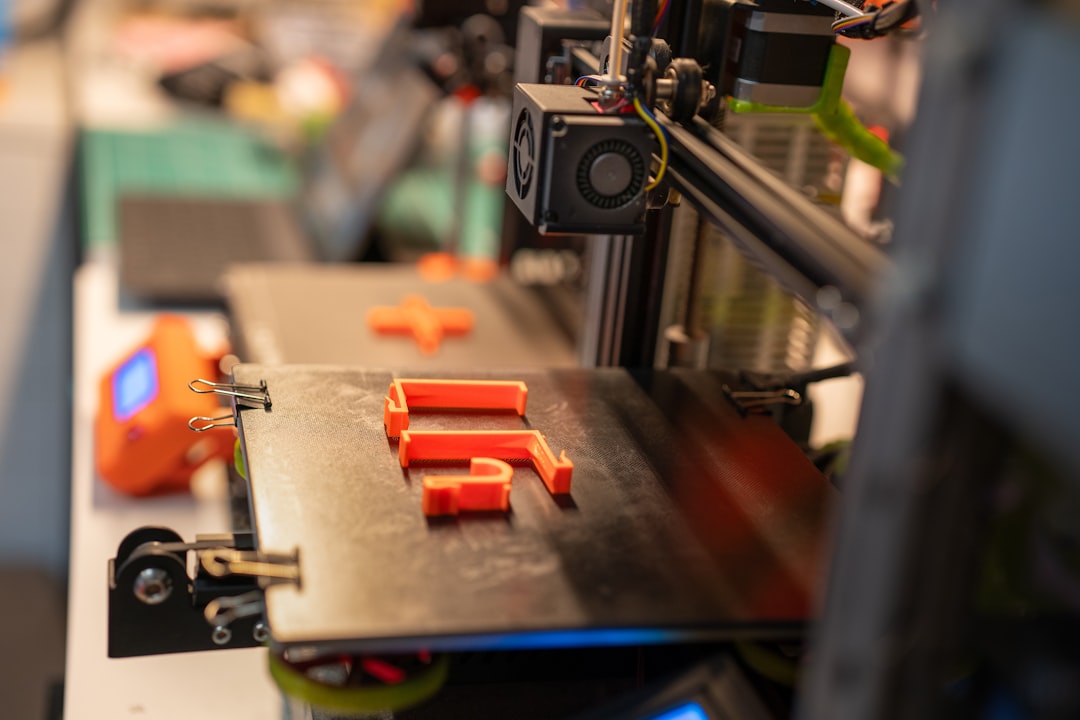
Time is a major cost in manufacturing. Delays can cause missed sales opportunities, extended labor expenses, late market entry, and reduced competitiveness. Rapid prototyping helps companies move from concept to final design more quickly.
When prototype cycles become faster, the entire development timeline can shrink. Products can be tested sooner, approved sooner, and prepared for manufacturing sooner. This speed can be especially important in industries where customer demand changes quickly or competitors are constantly releasing new products.
A shorter time to market does not only reduce internal costs. It can also increase revenue by allowing a company to begin selling earlier. In some cases, launching a product weeks or months ahead of competitors may create a significant commercial advantage.
More Affordable Customization
Traditional manufacturing is most cost-effective when producing large quantities of identical parts. Customization usually increases costs because it may require new tooling, separate production runs, or additional setup time. 3D printing makes customization more affordable during both prototyping and limited production.
A manufacturer can modify a digital file to create different sizes, shapes, or configurations without reworking expensive tools. This is useful for industries such as healthcare, aerospace, consumer products, and industrial equipment, where custom-fit or specialized components may be valuable.
Even if final mass production uses traditional methods, rapid prototyping allows companies to test customized options before deciding which versions are worth producing at scale.
Reduced Inventory During Development
Traditional prototyping methods may require minimum order quantities from suppliers. A company might be forced to purchase more sample parts than needed, creating excess inventory that becomes obsolete after the next design change. This adds storage costs and increases waste.
With 3D printing, prototypes can be produced as needed. A team can print one part, test it, modify it, and print another. This on-demand production model reduces unnecessary inventory and keeps development lean.
It also allows companies to maintain digital inventories rather than physical ones. Instead of storing many prototype variations, the business can keep the design files and print parts only when required.
Cost Benefits for Small Manufacturers and Startups
Rapid prototyping is especially valuable for startups and small manufacturers because it lowers the financial barrier to product development. In the past, a company needed substantial capital to create physical samples, test products, and attract investors or customers. Now, a small team can develop professional prototypes at a fraction of the historical cost.
This gives smaller businesses the ability to compete with larger companies. They can validate ideas, present working samples, gather feedback, and improve designs before committing to major production spending.
For investors and buyers, a physical prototype can also build confidence. It shows that the concept is more than an idea and that the team has already considered practical manufacturing challenges.
Limitations to Consider
Although rapid prototyping with 3D printers offers major cost advantages, it is not a perfect replacement for every manufacturing process. Printed prototypes may have different material properties than final production parts. Surface finish, strength, flexibility, and tolerance may vary depending on the printer and material used.
Manufacturers must choose the right printing technology for the purpose. A simple visual model may be produced with a desktop filament printer, while a high-precision engineering prototype may require resin printing, selective laser sintering, or metal additive manufacturing.
The greatest savings occur when 3D printing is used strategically. It should support decision-making, testing, and iteration before the company commits to full-scale production.
Conclusion
Rapid prototyping with 3D printers reduces manufacturing costs by changing how products are developed. It lowers tooling expenses, speeds up design revisions, reduces waste, improves communication, and helps identify design flaws before they become expensive problems. By allowing manufacturers to test ideas quickly and affordably, 3D printing creates a more efficient path from concept to production.
As 3D printing technology continues to improve, its role in manufacturing will likely expand even further. Companies that use rapid prototyping effectively can reduce risk, control costs, and bring stronger products to market faster.
FAQ
How does 3D printing reduce prototyping costs?
3D printing reduces prototyping costs by eliminating many early tooling requirements, lowering material waste, and allowing teams to create design revisions quickly from digital files.
Is rapid prototyping only useful for large manufacturers?
No. Rapid prototyping is useful for companies of all sizes. Small manufacturers and startups often benefit the most because it allows them to test ideas without large upfront investments.
Can 3D printed prototypes be used for functional testing?
Yes. Many 3D printed prototypes can be used for fit checks, assembly testing, ergonomic studies, and limited performance testing, depending on the material and printing method.
Does 3D printing replace traditional manufacturing?
In most cases, 3D printing supports traditional manufacturing rather than replacing it. It is commonly used to refine designs before mass production begins.
What is the biggest cost advantage of rapid prototyping?
The biggest cost advantage is the ability to find and fix design problems early, before expensive tooling, production runs, or product launches take place.