
Fast search visibility is attractive to every business, but sustainable rankings rarely come from shortcuts alone. If you are researching phrases such as “SEO Instant Appear Highsoftware99.Com Fast Rankings Guide”, the safer and more effective approach is to understand what search engines actually reward: relevance, authority, technical quality, user satisfaction, and consistency.
TLDR: You can improve rankings faster by targeting realistic keywords, fixing technical SEO issues, publishing focused content, and earning trustworthy links. Avoid “instant ranking” tactics that rely on spam, fake signals, or automated manipulation because they can lead to penalties and long-term traffic loss. A complete alternative strategy combines technical SEO, content authority, local signals, analytics, and steady optimization. The goal is not only to appear quickly, but to stay visible and convert visitors into customers.
Why “Instant SEO” Claims Should Be Treated Carefully
Search engines use complex systems to decide which pages deserve visibility. While a new page can sometimes appear in search results quickly, appearing and ranking competitively are different outcomes. Indexing may happen within hours or days, but strong rankings usually require evidence that a page is useful, trustworthy, and better than competing results.
Services or guides that promise guaranteed instant rankings often rely on methods that may violate search engine guidelines. These can include automated backlink schemes, keyword stuffing, copied content, doorway pages, cloaking, or artificial engagement signals. Such tactics may create a brief spike, but they also increase the risk of ranking drops, deindexing, or reputation damage.
A serious SEO strategy should be fast where possible, but never reckless. The objective is to build momentum without creating technical, legal, or brand risks.

The Alternative Strategy: Faster Progress Without Risk
A complete alternative strategy focuses on speed through precision. Instead of trying to manipulate rankings, you reduce friction between your website and the search engine’s ability to understand, crawl, index, and trust your content.
This approach has five core principles:
- Target achievable opportunities first rather than only pursuing highly competitive keywords.
- Make your site technically clean so search engines can crawl and interpret it efficiently.
- Publish content that directly satisfies search intent with clear structure and evidence.
- Build authority naturally through useful resources, citations, partnerships, and mentions.
- Measure results continuously and improve based on real performance data.
Step 1: Start With Search Intent, Not Just Keywords
Many SEO campaigns fail because they choose keywords based only on volume. A keyword may receive thousands of searches per month, but if the intent does not match your page, ranking will be difficult and conversions will be weak.
Search intent usually falls into four categories:
- Informational: The user wants to learn something, such as “how SEO indexing works.”
- Commercial: The user is comparing options, such as “best SEO tools for small business.”
- Transactional: The user is ready to buy or sign up, such as “hire SEO consultant.”
- Navigational: The user wants a specific website or brand.
For faster rankings, begin with specific long-tail keywords. These usually have lower competition and clearer intent. For example, instead of targeting “SEO rankings,” a business might target “technical SEO checklist for local service websites” or “how to improve Google indexing for a new business site.” These terms may bring fewer visitors individually, but the visitors are often more qualified.
Step 2: Fix Technical SEO Before Scaling Content
Technical SEO is the foundation of search performance. If search engines cannot crawl or understand your site properly, even strong content may fail to rank. Before investing heavily in content or link building, check the technical condition of your website.
Important technical areas include:
- Indexability: Make sure important pages are not blocked by robots.txt, noindex tags, or incorrect canonical tags.
- Site speed: Compress images, use caching, reduce unnecessary scripts, and improve server response time.
- Mobile usability: Ensure pages display correctly on phones and tablets.
- Internal linking: Link related pages clearly so users and crawlers can discover important content.
- Structured data: Add schema markup where appropriate, such as Article, Product, FAQ, Local Business, or Organization schema.
- Clean URLs: Use short, descriptive URLs that help explain page topics.
Technical improvements can sometimes produce quick gains because they remove barriers that were already holding the site back. This is one of the most legitimate ways to improve SEO performance quickly.
Step 3: Build Topic Clusters Instead of Isolated Articles
Publishing random blog posts is rarely enough. Search engines increasingly evaluate topical authority. That means your website should demonstrate depth around a subject, not just mention it once.
A topic cluster includes one main page and several supporting pages. For example, a website focused on SEO services might build a cluster like this:
- Main page: Complete SEO strategy for small businesses
- Supporting page: Technical SEO checklist for new websites
- Supporting page: Local SEO ranking factors explained
- Supporting page: How to write service pages that rank
- Supporting page: Link building methods that follow search guidelines
Each supporting page should link back to the main page, and the main page should link to each supporting article. This structure helps search engines understand the relationship between pages and can improve ranking potential across the whole group.
Step 4: Create Pages That Deserve to Rank
High-quality content is not simply long content. It is content that solves the user’s problem better than competing pages. A serious page should be accurate, organized, and practical.
For stronger content, include:
- A clear answer near the top so users immediately know they are in the right place.
- Original insights from experience, data, examples, or expert commentary.
- Logical headings that make the article easy to scan.
- Specific steps instead of vague advice.
- Trust signals such as author details, sources, dates, policies, and contact information.
- Conversion paths such as consultation buttons, email signups, product links, or downloadable resources.
Search engines increasingly reward content that demonstrates experience, expertise, authoritativeness, and trustworthiness. If your content is generic, copied, or created only to target keywords, it will struggle against stronger competitors.
Step 5: Use Internal Links as a Ranking Accelerator
Internal linking is one of the most underused SEO methods. It helps distribute authority across your website and guides search engines toward your most important pages.
Use internal links naturally from relevant pages. For example, a blog post about site speed can link to a technical SEO service page. An article about keyword research can link to a broader SEO strategy guide. Avoid linking every page to every other page. Instead, build a logical structure based on relevance.
Good anchor text is descriptive but not spammy. Instead of repeatedly using the same exact keyword, vary your anchor text naturally. Examples include technical SEO audit, improve site crawlability, and SEO performance checklist.
Step 6: Earn Authority With Safer Link Building
Backlinks remain important, but quality matters more than quantity. Low-quality links from spam networks can do more harm than good. A safer approach focuses on earning links from relevant and credible sources.
Effective link building methods include:
- Publishing useful assets such as original research, templates, calculators, or detailed guides.
- Digital PR through expert commentary, newsworthy data, or industry insights.
- Guest contributions on reputable websites with editorial standards.
- Local citations for businesses serving specific regions.
- Partner mentions from suppliers, associations, clients, or professional organizations.
A trustworthy link profile grows naturally over time. If a campaign suddenly creates hundreds of irrelevant links, it may look suspicious. Focus on links that would still be valuable even if search engines did not exist.
Step 7: Improve User Experience and Conversion Signals
SEO should not stop at traffic. A page that ranks but fails to convert is not performing properly. Search users expect clear navigation, fast loading, readable formatting, and helpful next steps.
Improve user experience by checking:
- Page layout: Important information should be visible without confusion.
- Readability: Use short paragraphs, headings, bullet points, and plain language.
- Calls to action: Tell users what to do next, such as request a quote or read a related guide.
- Trust elements: Add reviews, case studies, credentials, secure payment indicators, and clear policies.
- Accessibility: Use proper contrast, alt text, keyboard navigation, and readable font sizes.
Step 8: Measure What Matters
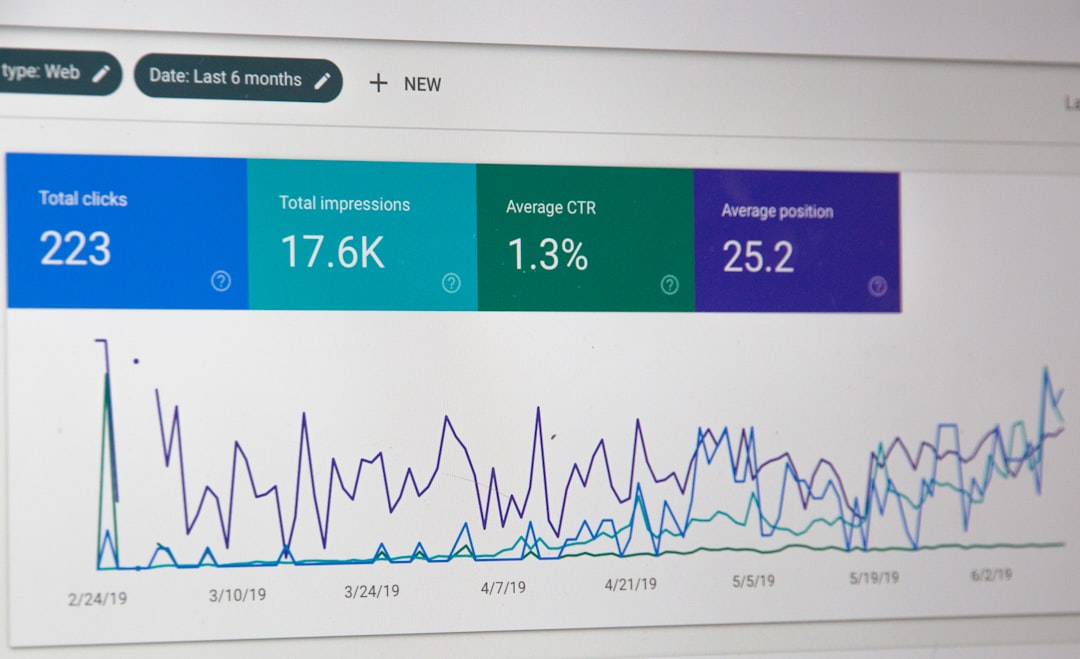
SEO decisions should be based on data, not assumptions. Track rankings, but do not rely on rankings alone. A keyword may rise while conversions remain flat, or traffic may increase from visitors who are not likely to buy.
Important metrics include:
- Organic impressions: Shows whether search visibility is increasing.
- Click-through rate: Indicates whether titles and descriptions are attracting users.
- Organic traffic: Measures actual visitors from search engines.
- Engagement: Helps identify whether users find the content useful.
- Leads or sales: Shows whether SEO supports business goals.
- Indexed pages: Confirms that search engines can access important content.
Review performance monthly. Update underperforming pages, expand content that shows potential, and remove or consolidate thin pages that do not serve a clear purpose.
A Practical 30-Day Action Plan
If you want faster SEO progress without unsafe shortcuts, follow a focused 30-day plan:
- Days 1–3: Audit indexability, site speed, mobile usability, broken links, and analytics setup.
- Days 4–7: Research long-tail keywords and group them by intent and topic.
- Days 8–14: Improve your most important service or product pages with clearer copy, headings, internal links, and trust signals.
- Days 15–21: Publish three to five supporting articles that answer specific user questions.
- Days 22–26: Build internal links between related pages and submit updated URLs for indexing.
- Days 27–30: Begin outreach for credible mentions, local citations, partnerships, or guest contributions.
This plan will not guarantee first-page rankings in 30 days, and no honest strategy should make that promise. However, it creates the right conditions for faster indexing, clearer relevance, better user engagement, and stronger long-term rankings.
Final Thoughts
The best alternative to “instant SEO” is not slow SEO. It is disciplined, evidence-based SEO that prioritizes the actions most likely to produce early movement while protecting the website’s future. Fast rankings are possible in low-competition areas, for highly specific topics, or after technical barriers are removed. Competitive rankings, however, require patience, authority, and continuous improvement.
If you want your website to appear quickly and remain visible, focus on the fundamentals: solve real user problems, make your site technically reliable, organize content strategically, build trust, and measure results carefully. That approach is more serious, more defensible, and far more likely to produce rankings that last.