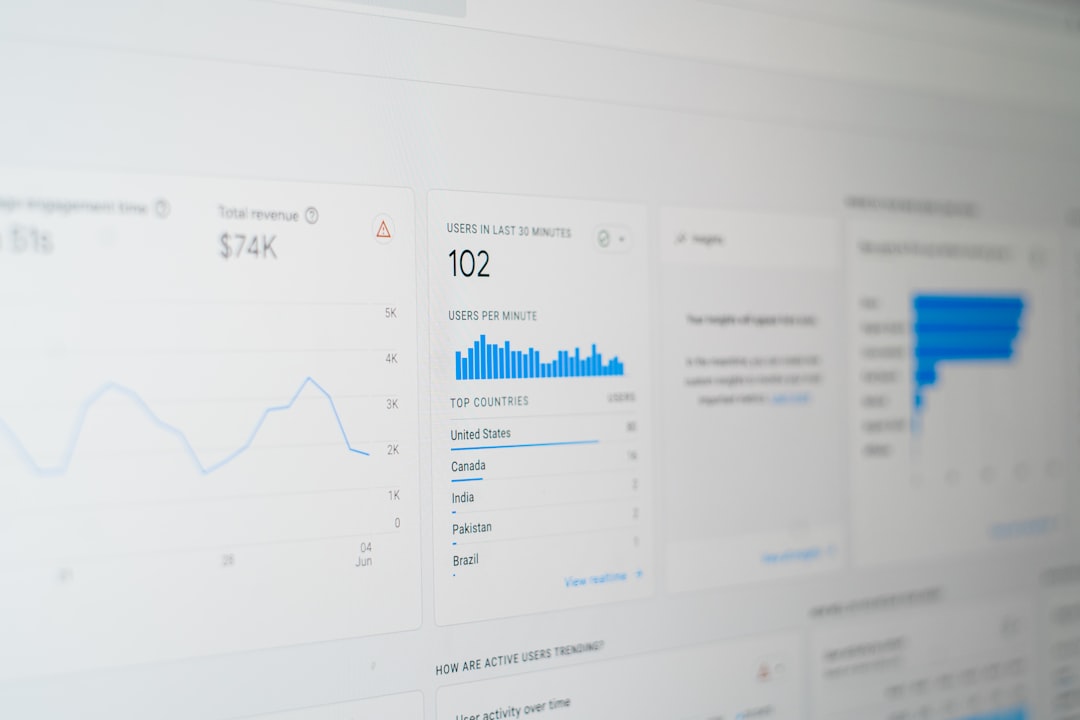
Digital marketing has always depended on the ability to guide prospects from awareness to action. In the past, building that journey required separate tools for landing pages, email automation, analytics, ad tracking, copywriting, testing, and customer relationship management. Today, AI-powered funnel builder tools are changing that process by combining automation, predictive insights, personalization, and content generation into one streamlined system.
TLDR: AI-powered funnel builder tools are transforming digital marketing by helping businesses create, optimize, and personalize sales funnels faster than before. These tools use artificial intelligence to analyze customer behavior, write content, improve conversion paths, and automate follow-ups. As a result, marketers can make better decisions, reduce manual work, and deliver more relevant customer experiences.
What Are AI-Powered Funnel Builder Tools?
AI-powered funnel builder tools are digital platforms that help businesses design and manage the customer journey using artificial intelligence. A typical marketing funnel includes several stages, such as awareness, interest, consideration, conversion, and retention. Traditional funnel builders allow marketers to create landing pages, opt-in forms, email sequences, checkout pages, and upsell flows. AI adds a new layer of intelligence by helping those elements adapt, improve, and perform more effectively.
These tools can generate headlines, write email copy, recommend page layouts, segment audiences, predict customer behavior, and identify where leads are dropping out. Instead of relying only on guesswork or manual analysis, marketers can use AI to make data-informed decisions in real time.

Faster Funnel Creation and Launch
One of the biggest ways AI-powered funnel builders are changing digital marketing is by reducing the time it takes to launch campaigns. In the past, a business might need a copywriter, designer, developer, strategist, and automation specialist to build a complete funnel. That process could take days or even weeks.
AI tools now assist with many of these tasks. They can suggest funnel structures based on the business goal, such as lead generation, webinar registration, product sales, or appointment booking. They can also create draft copy for landing pages, generate call-to-action buttons, recommend email sequences, and even suggest visual layouts.
This shift allows marketing teams to move faster. A small business can test a new offer without needing a large technical team, while larger companies can launch multiple campaign variations at scale. Speed matters because digital markets change quickly, and the ability to respond faster often creates a competitive advantage.
Smarter Personalization at Scale
Personalization has become one of the most important expectations in digital marketing. Modern customers are less likely to respond to generic messages. They expect content, offers, and recommendations that match their interests, needs, and behavior.
AI-powered funnel builder tools make personalization more practical. Instead of creating one funnel for every visitor, businesses can create dynamic funnel experiences. For example, a returning visitor may see a different headline than a first-time visitor. A lead who clicked on a pricing email may receive a different follow-up than someone who only downloaded a free guide.
AI can analyze data such as browsing activity, purchase history, email engagement, location, traffic source, and previous interactions. Based on that information, the funnel can automatically adjust messaging, product recommendations, or next steps. This creates a more relevant experience and can improve conversion rates.
Improved Copywriting and Content Generation
Copywriting is central to funnel performance. Headlines, product descriptions, email subject lines, calls to action, and sales page content all influence whether a prospect continues or leaves. AI-powered funnel builders often include content-generation features that help marketers create persuasive copy more efficiently.
These tools can produce multiple versions of a headline, rewrite weak sections, suggest benefit-driven language, and adjust tone for different audiences. For example, a funnel targeting executives may need formal and results-focused copy, while a funnel for lifestyle consumers may need emotional and conversational messaging.
AI does not remove the need for human judgment. Strong marketers still review, refine, and align copy with brand voice. However, AI can reduce blank-page frustration and accelerate the creative process. It can also help teams test more variations, which increases the chance of finding messaging that resonates.
Better Lead Segmentation and Scoring
Not all leads are equal. Some prospects are ready to buy immediately, while others need education, trust-building, or more time. AI-powered funnel builder tools help marketers identify where each lead stands and how likely that lead is to convert.
Lead scoring traditionally required manual rules, such as adding points when a person opened an email or visited a sales page. AI can go further by evaluating patterns across large amounts of data. It can detect signals that may not be obvious, such as combinations of page visits, timing, device behavior, engagement frequency, and offer responses.
With smarter lead scoring, sales teams can focus on the most promising prospects. At the same time, marketing teams can place colder leads into nurturing sequences instead of pushing them toward a purchase too early. This improves efficiency and helps prevent wasted effort.
Real-Time Optimization and A/B Testing
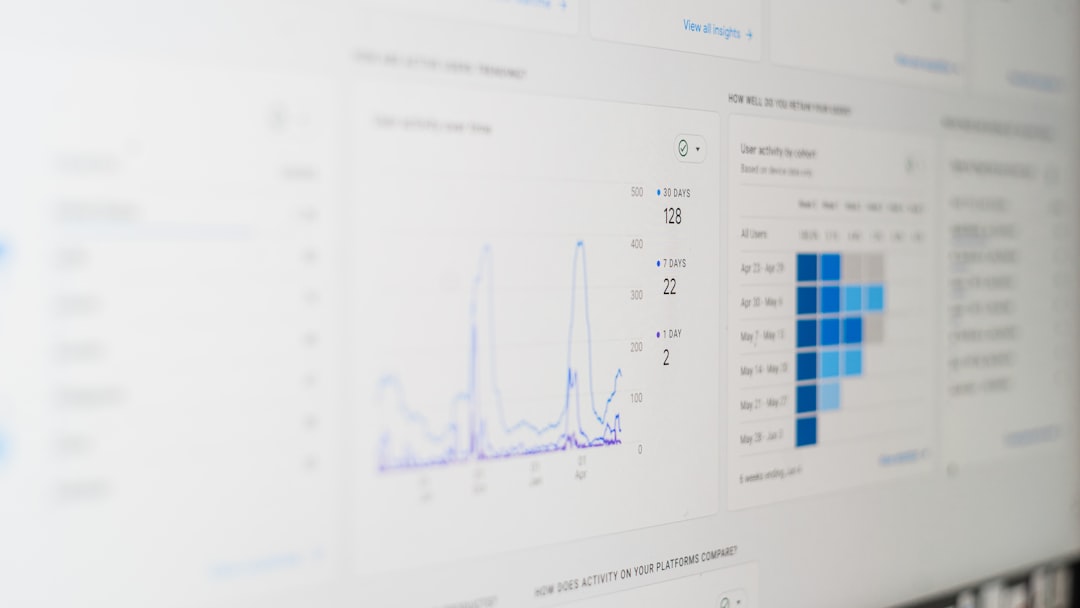
Conversion optimization has long been a key part of funnel marketing. Marketers test headlines, images, page layouts, forms, pricing options, and email timing to see what works best. Traditional A/B testing can be useful, but it often takes time to gather enough data and requires manual interpretation.
AI-powered tools can make testing faster and more intelligent. Some platforms automatically send more traffic to higher-performing variations. Others identify weak points in the funnel, such as a form field that causes abandonment or an email that fails to generate clicks.
Real-time optimization helps businesses avoid leaving money on the table. If one version of a landing page is clearly outperforming another, AI can recognize the trend and adjust campaign delivery. This creates a more responsive marketing system, where funnels continuously improve rather than remaining static after launch.
Stronger Customer Journey Mapping
Digital marketing is no longer limited to a single landing page or email sequence. Customers often interact with a brand across multiple touchpoints before making a decision. They may see a social media ad, read a blog post, join a webinar, open several emails, compare competitors, and then return days later to purchase.
AI-powered funnel builder tools help marketers understand these complex journeys. They can connect data from different sources and show how customers move through the funnel. This gives businesses a clearer picture of what content, channels, and interactions influence conversions.
By mapping the customer journey more accurately, marketers can remove friction and create better pathways. For instance, if AI shows that many prospects watch a product demo but fail to complete checkout, the business can investigate whether pricing, trust signals, or checkout design is causing hesitation.
Automation That Feels More Human
Marketing automation has sometimes been criticized for feeling robotic. Poorly timed emails, irrelevant offers, and repetitive messages can damage trust. AI is helping automation become more responsive and human-like.
Instead of sending every lead the same sequence, AI-powered funnels can adapt based on behavior. If a prospect engages heavily with educational content, the system may continue delivering useful resources. If the prospect visits a pricing page several times, the funnel may trigger a case study, discount offer, or sales outreach.
This behavior-based automation creates better timing and relevance. The goal is not simply to automate more messages, but to automate the right messages at the right moments.
Lower Barriers for Small Businesses
AI-powered funnel builders are especially important for small businesses and solo entrepreneurs. Many smaller companies do not have the budget to hire full marketing teams. They may struggle with copywriting, design, analytics, and campaign strategy.
AI tools close part of that gap by offering guided funnel building, templates, content suggestions, automated reporting, and optimization recommendations. A local service provider, online coach, ecommerce seller, or startup founder can build professional-looking funnels with fewer resources.
This does not guarantee success, but it reduces the technical barrier. More businesses can participate in sophisticated digital marketing without needing advanced coding or agency-level budgets.
More Data-Driven Decision Making
Effective marketing depends on understanding what is working and what is not. AI-powered funnel builder tools turn raw data into practical insights. Rather than forcing marketers to search through disconnected reports, these platforms can highlight important trends and suggest actions.
For example, AI might show that mobile visitors are converting poorly, that a specific traffic source produces higher-value customers, or that a certain email subject line style consistently performs better. These insights help marketers spend less time interpreting data and more time improving campaigns.
Data-driven decision making also reduces reliance on assumptions. A team may believe that a particular offer is strong, but funnel analytics may reveal that prospects are dropping off before checkout. AI helps identify those gaps more quickly.

Challenges and Limitations
Although AI-powered funnel builder tools offer major advantages, they are not perfect. Businesses still need strategy, brand positioning, customer understanding, and ethical oversight. AI can generate content and recommendations, but it may not always understand nuance, cultural context, or long-term brand value.
There are also concerns around data privacy. Since AI tools often rely on customer data, businesses must handle that information responsibly and comply with relevant privacy regulations. Transparency, consent, and secure data management are essential.
Another risk is over-automation. If a business relies completely on AI without human review, its messaging may become generic, inaccurate, or misaligned with customer expectations. The strongest results usually come from combining AI efficiency with human creativity and strategic thinking.
The Future of AI-Powered Funnel Building
The future of funnel building will likely become even more predictive, personalized, and automated. AI systems may increasingly recommend entire campaign strategies, forecast revenue outcomes, and adjust funnels across multiple channels at once. Voice search, chatbots, conversational commerce, and predictive customer support may also become more integrated into funnel workflows.
As these tools evolve, digital marketing teams will spend less time on repetitive setup tasks and more time on strategy, positioning, and customer experience. The role of the marketer will not disappear, but it will change. Marketers will need to become better at directing AI, interpreting insights, and ensuring that automated systems serve real customer needs.
Conclusion
AI-powered funnel builder tools are changing digital marketing by making funnel creation faster, smarter, and more personalized. They help businesses generate content, segment leads, automate follow-ups, test variations, and interpret data with greater efficiency. For companies of all sizes, these tools offer a way to build more responsive customer journeys and improve campaign performance.
However, AI works best when it supports human strategy rather than replacing it entirely. Businesses that combine artificial intelligence with strong branding, ethical data use, and customer-focused thinking are likely to gain the most from this shift. In the modern digital landscape, AI-powered funnels are becoming less of a luxury and more of a competitive necessity.
FAQ
What is an AI-powered funnel builder?
An AI-powered funnel builder is a marketing tool that uses artificial intelligence to help create, manage, and optimize sales or lead-generation funnels. It may assist with landing pages, email sequences, copywriting, audience segmentation, analytics, and automation.
How do AI funnel builders improve conversion rates?
They improve conversion rates by analyzing user behavior, personalizing messages, recommending better layouts, testing variations, and identifying points where prospects drop off. These insights help marketers make faster and more accurate improvements.
Can small businesses use AI-powered funnel builders?
Yes. Small businesses can benefit greatly because these tools reduce the need for large teams or advanced technical skills. They help create professional funnels, automate follow-ups, and understand campaign performance more easily.
Does AI replace digital marketers?
No. AI supports marketers by handling repetitive tasks and providing insights, but human strategy, creativity, brand judgment, and ethical decision making remain essential. The best results usually come from combining AI automation with human expertise.
Are AI-powered funnel builders safe to use with customer data?
They can be safe when businesses choose reputable platforms and follow privacy best practices. Companies should pay attention to data security, customer consent, privacy regulations, and transparent data handling.
What features should businesses look for in an AI funnel builder?
Important features include landing page creation, email automation, AI copywriting, lead scoring, segmentation, analytics, A/B testing, personalization, CRM integrations, and clear reporting dashboards.