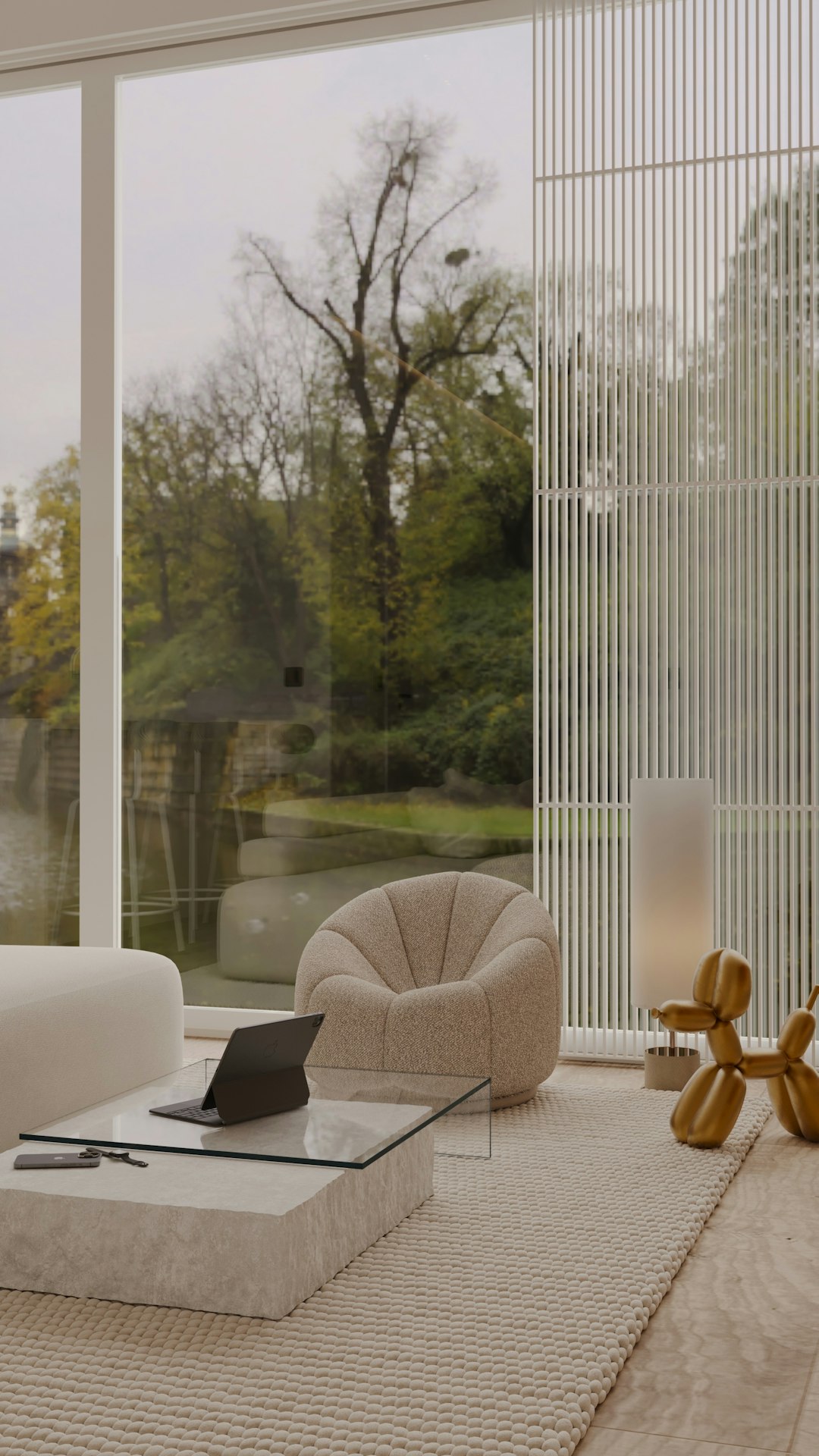
Artificial intelligence is no longer confined to research labs or corporate data centers; it has entered our living rooms, kitchens, and bedrooms. In the realm of interior design, AI-powered home decor is transforming how spaces are conceived, personalized, and managed. From smart lighting systems that adapt to mood and time of day to AI-driven layout planning tools, technology is reshaping both aesthetics and functionality. The result is a new design paradigm in which rooms are not static compositions but dynamic environments that learn and evolve.
TL;DR: AI-powered home decor integrates intelligent devices and data-driven systems into interior design, making spaces more responsive, personalized, and efficient. Smart lighting, climate control, voice assistants, and predictive design tools are changing how homes look and function. These technologies enhance comfort, sustainability, and convenience while offering designers new creative tools. However, thoughtful implementation is essential to balance innovation with privacy, usability, and timeless style.
The Convergence of Technology and Interior Design
Interior design has traditionally focused on color theory, spatial planning, materials, and furniture composition. Today, it increasingly incorporates data, automation, and machine learning. AI-powered devices can monitor user behavior, environmental conditions, and energy usage to create spaces that respond in real time.
This convergence is driven by three primary forces:
- Connected devices: Smart thermostats, lighting systems, speakers, and appliances that integrate into a unified network.
- Advanced analytics: AI systems that learn user preferences and predict optimal settings.
- Consumer demand: Growing interest in personalization, sustainability, and efficiency.
Together, these elements are elevating interior design from static decoration to adaptive experience design.
Smart Lighting as a Design Foundation
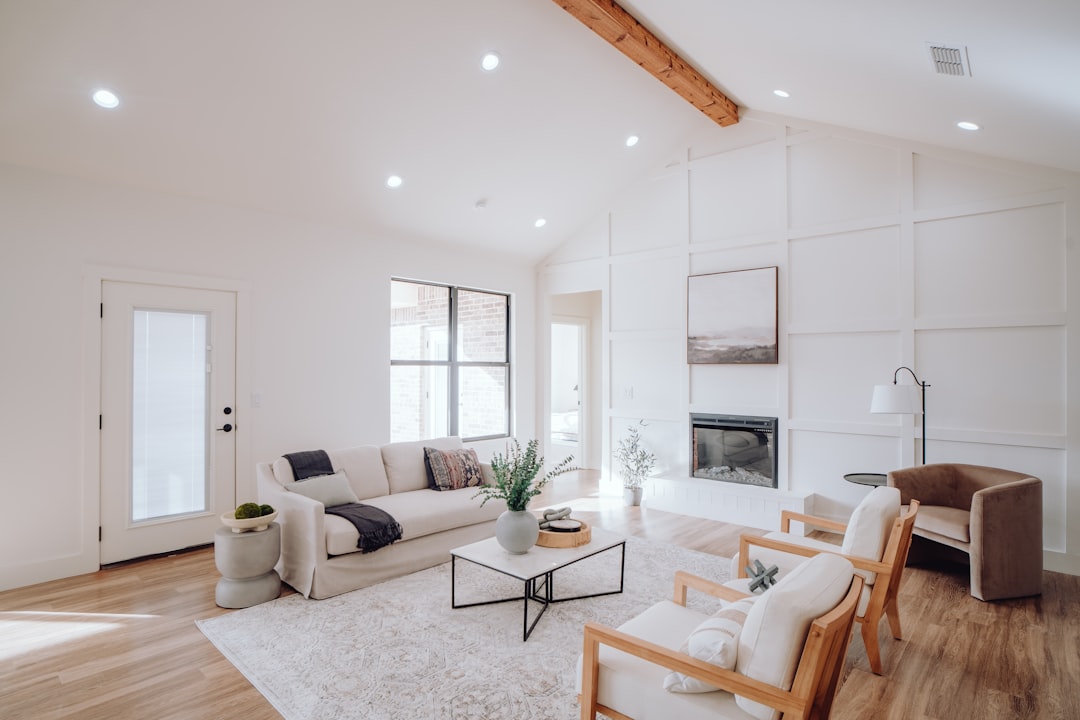
Lighting has always been central to interior ambiance. With AI integration, it is becoming one of the most transformative aspects of home decor. Modern smart lighting systems can adjust color temperature, brightness, and intensity based on time of day, activity, or even biometric data.
For example, AI can:
- Shift to cooler, brighter light during work hours to enhance productivity.
- Transition to warmer tones in the evening to support relaxation and circadian rhythm alignment.
- Automatically adjust shades and blinds to optimize natural daylight.
This capability transforms lighting from a fixed fixture into an adaptive design tool. Designers now consider programmable lighting scenes as part of the overall aesthetic plan, integrating fixtures and controls seamlessly into walls, ceilings, and furniture.
Climate Control and Comfort Optimization
Thermal comfort significantly impacts how occupants perceive a space. AI-driven climate systems use predictive algorithms to maintain ideal temperatures while minimizing energy consumption. Smart thermostats learn user schedules and adjust heating or cooling before occupants arrive home.
Beyond simple scheduling, more advanced systems account for:
- Weather forecasts and seasonal patterns.
- Room occupancy detection.
- Historical energy usage data.
Such intelligence changes the design conversation. Interior designers now collaborate with HVAC specialists and smart home integrators to conceal sensors, optimize airflow aesthetics, and align control panels with the overall visual scheme. In high-end residences, minimalistic interfaces and hidden vents preserve visual harmony while offering technological sophistication.
AI in Space Planning and Visualization
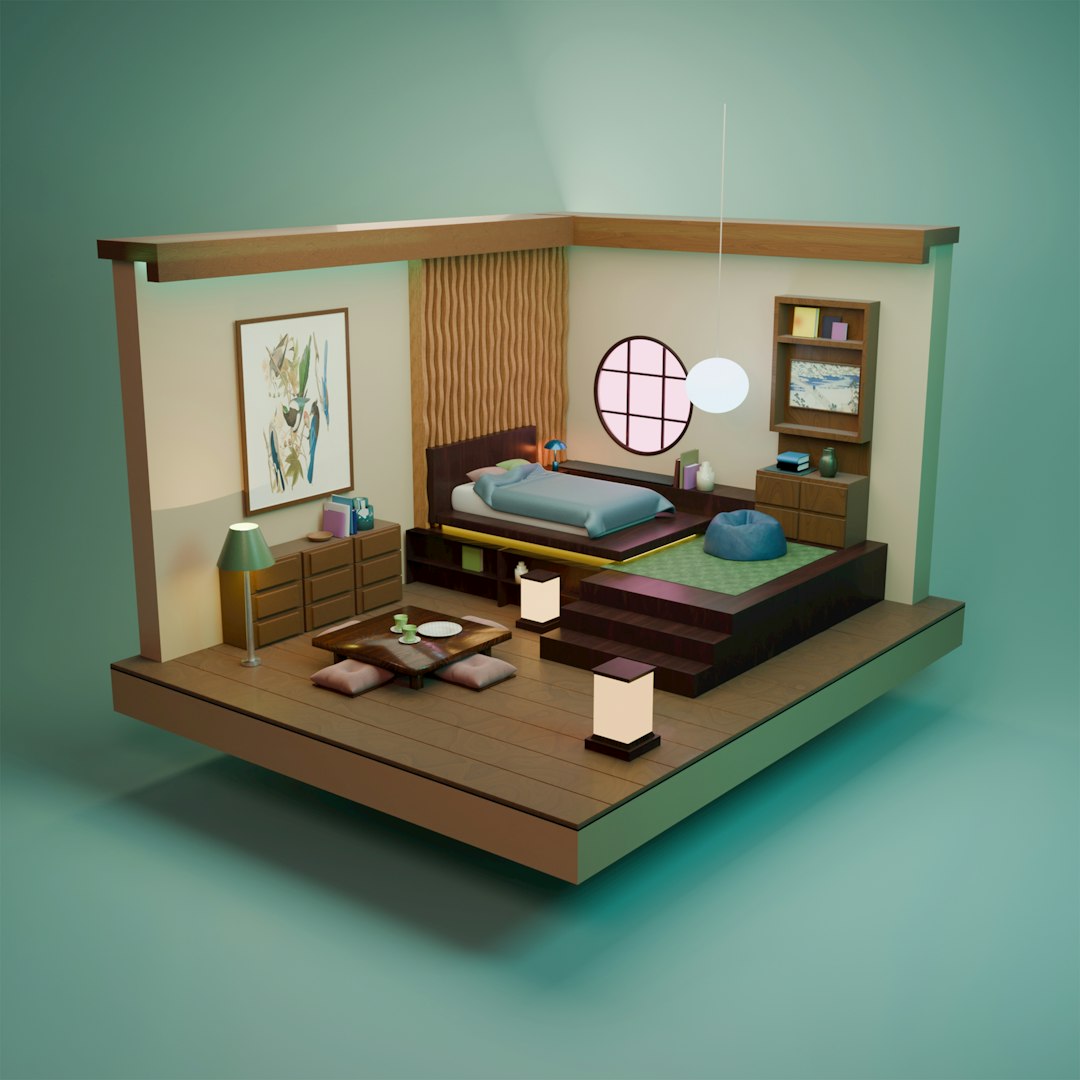
Artificial intelligence is also influencing design long before a single piece of furniture is installed. AI-powered software can analyze room dimensions, structural constraints, and client preferences to generate optimized layout suggestions. These tools assess circulation patterns, lighting conditions, and furniture scale with remarkable speed.
Design professionals increasingly rely on AI platforms to:
- Create photorealistic renderings based on minimal input.
- Recommend furniture arrangements that maximize space efficiency.
- Suggest complementary materials and color palettes based on trend data and user profiles.
While human creativity remains irreplaceable, AI serves as a powerful assistant. It reduces time spent on repetitive tasks and allows designers to focus on conceptual development and client communication. For homeowners, it democratizes design, making professional-level visualization more accessible.
Voice Assistants and Invisible Interfaces
Voice-controlled systems have become central hubs for smart homes. Devices powered by AI can control lighting, music, security systems, and appliances through simple spoken commands. This shift impacts not only functionality but also decor decisions.
As homes move toward “invisible interfaces,” designers are minimizing physical clutter. Key considerations include:
- Discreet hardware placement: Speakers and sensors integrated into walls or furniture.
- Material compatibility: Acoustic fabrics and finishes that do not interfere with sound recognition.
- Visual cohesion: Devices selected to match interior styles, from minimalist to industrial.
The result is a cleaner environment where technology enhances experience without dominating visual attention.
Personalization Through Data
AI excels in personalization. By analyzing user habits, preferences, and routines, smart systems tailor environments with remarkable precision. A living room may automatically play preferred music at a certain hour, adjust lighting for reading, and display curated digital artwork.
This hyper-personalization creates a deeper sense of ownership and comfort. Homes are no longer generic backdrops; they become responsive ecosystems tailored to occupants’ lifestyles. In multi-occupant households, AI can differentiate between users and adjust settings accordingly, balancing competing preferences through adaptive algorithms.
Sustainability and Energy Efficiency
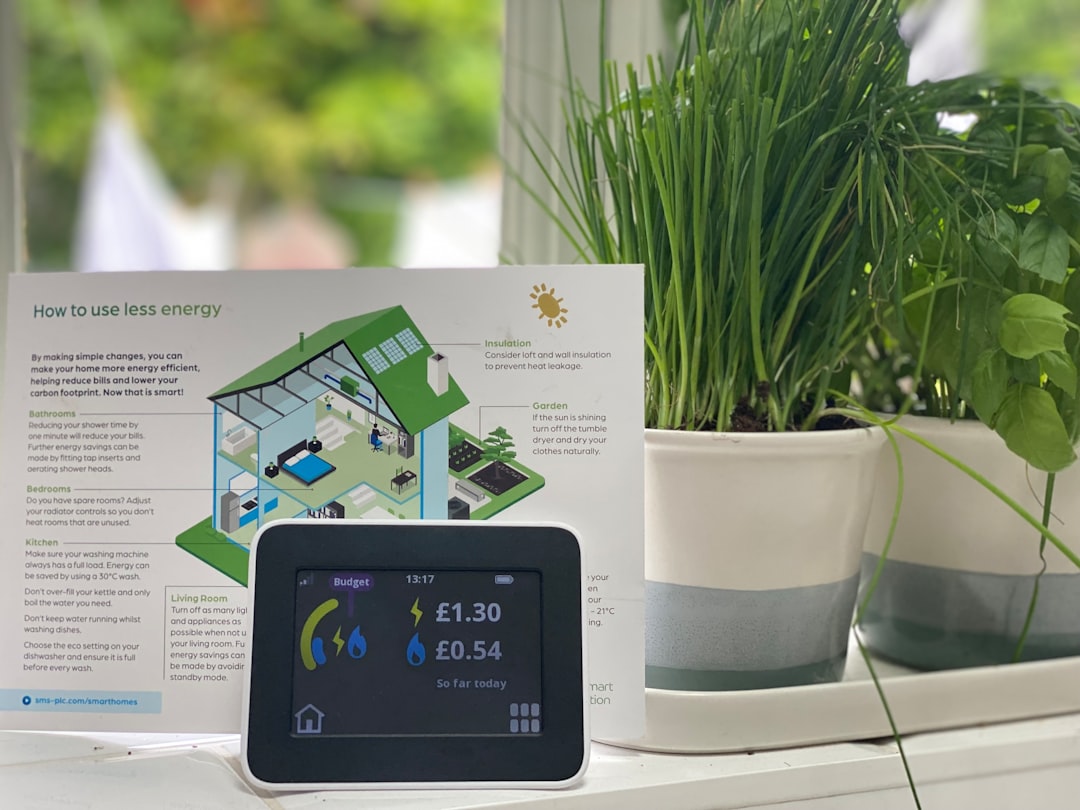
Sustainability is a growing priority in interior design, and AI-powered systems contribute significantly. Smart energy management platforms monitor consumption patterns and identify waste. Automated shading systems reduce reliance on artificial lighting, and intelligent irrigation systems optimize water use in connected indoor gardens.
Key sustainability benefits include:
- Real-time energy tracking with actionable recommendations.
- Predictive maintenance that identifies appliance inefficiencies before failures occur.
- Integration with renewable energy sources such as solar panels and home batteries.
Designers increasingly incorporate sustainability metrics into project planning. AI tools help calculate environmental impact, reinforcing responsible material and technology choices.
Security as a Design Element
Security systems powered by AI—such as facial recognition cameras and smart locks—are influencing entryway design and overall home layout. Unlike traditional surveillance setups, modern security devices are more compact and aesthetically refined.
Designers must consider camera placement, lighting coordination, and discreet wiring routes. The aim is to balance safety with comfort, ensuring that security features do not create a sense of intrusion. When thoughtfully integrated, AI security becomes an unobtrusive layer of protection rather than an overt presence.
Challenges and Considerations
Despite its advantages, AI-powered home decor presents challenges that require careful management.
- Privacy concerns: Connected devices collect vast amounts of data, raising questions about storage and usage.
- System interoperability: Inconsistent standards can complicate integration between devices.
- Technological obsolescence: Rapid advancements may render devices outdated quickly.
- Over-automation: Excessive reliance on AI can reduce user control and introduce complexity.
Interior designers must approach AI adoption strategically, selecting systems that align with the client’s technical literacy and long-term goals. A successful smart home balances innovation with simplicity.
The Evolving Role of the Interior Designer
As AI becomes more prevalent, the interior designer’s role is expanding. Designers must understand not only aesthetics but also the fundamentals of connected ecosystems. Collaboration with software developers, engineers, and system integrators is increasingly common.
Future-focused designers prioritize:
- Future-proof infrastructure planning.
- User-friendly control systems.
- Flexible layouts that accommodate technological upgrades.
Rather than replacing designers, AI enhances their capabilities. It enables evidence-based decisions, streamlines workflows, and provides deeper insights into user behavior.
Looking Ahead
The trajectory of AI-powered home decor suggests even greater integration. Emerging technologies include adaptive furniture that changes configuration automatically and walls embedded with responsive digital surfaces. Augmented reality will likely merge with AI to allow real-time visualization of decor changes before implementation.
As technology matures, the emphasis will shift from novelty to seamlessness. The most successful AI-enhanced interiors will not feel overtly technological; they will feel intuitive, comfortable, and thoughtfully curated.
In conclusion, AI-powered home decor represents a profound shift in interior design philosophy. It transforms the home from a passive setting into an interactive system that learns, adapts, and responds. When applied responsibly, AI enhances comfort, sustainability, and personalization without compromising aesthetic integrity. As designers and homeowners continue to embrace intelligent technology, interior spaces will become not only more beautiful but also more responsive to the complex rhythms of modern life.