Choosing the right hosting solution can feel like walking a tightrope between budget and performance. On one end, cheap managed hosting plans promise affordability and simplicity. On the other, premium managed hosting boasts superior speed, security, and support—at a significantly higher cost. The real question is whether that upgrade truly delivers value or simply adds another monthly expense.
TLDR: Cheap managed hosting can be a smart starting point for small websites or early-stage businesses, offering basic features at a low cost. Premium managed hosting, however, provides better performance, advanced security, proactive support, and scalability. If your site generates revenue, handles sensitive data, or experiences growth spikes, upgrading is often worth the investment. For hobby sites or small blogs, affordable plans may be perfectly adequate.
Understanding Managed Hosting
Before diving into a cost comparison, it’s important to understand what managed hosting actually means. Unlike unmanaged hosting, where you handle setup, updates, security patches, and troubleshooting yourself, managed hosting providers take care of the technical heavy lifting.
Services often included in managed hosting plans:
- Automatic software and server updates
- Regular backups
- Security monitoring and malware scans
- Performance optimization
- Technical support
The difference between cheap and premium plans lies in how well these services are implemented and how comprehensive they are.
What You Get with Cheap Managed Hosting
Cheap managed hosting usually costs anywhere from a few dollars to around $20 per month. These plans are designed to attract small businesses, personal blogs, and startups watching their budgets.
Key Advantages
- Affordability: The obvious benefit is low cost, making it accessible for beginners.
- User-friendly dashboards: Designed for non-technical users.
- Basic security features: SSL certificates, firewalls, and malware scanning are typically included.
- Entry-level support: Often via chat or ticket systems.

These plans often rely on shared infrastructure, meaning your website shares server resources with dozens—or even hundreds—of other websites. While this keeps costs down, it can create limitations.
Common Limitations
- Slower load times during traffic spikes
- Limited customization options
- Basic support with longer response times
- Fewer performance optimization tools
For many small sites, these trade-offs are acceptable. If your website gets modest traffic and doesn’t generate critical revenue, you may never feel the constraints.
What Premium Managed Hosting Brings to the Table
Premium managed hosting can range from $30 to several hundred dollars per month. The price jump may seem steep, but it typically reflects meaningful upgrades in infrastructure and service.
Enhanced Performance
Premium providers often use:
- Dedicated or isolated resources
- Advanced caching systems
- Content delivery networks (CDNs)
- High-performance SSD or cloud-based servers
The result? Faster loading times, improved uptime, and better handling of traffic surges.
Stronger Security
Security isn’t just about having an SSL certificate. Premium hosting often includes:
- Real-time threat monitoring
- DDoS protection
- Web application firewalls
- Proactive vulnerability patching
- Advanced malware detection and removal
These features can be critical for e-commerce stores or websites handling personal data.

High-Level Support
One of the most underestimated differences is customer support. Cheap plans may respond within 24 hours. Premium hosts often provide:
- 24/7 priority support
- Phone access to technicians
- Dedicated account managers
- Proactive issue detection and resolution
When your website generates revenue every minute, immediate support can make a measurable financial difference.
Performance: The Revenue Multiplier
Website speed isn’t just a convenience—it directly impacts search engine rankings, user experience, and conversions. Research consistently shows that even a one-second delay in page loading can significantly reduce conversion rates.
With cheap managed hosting, performance variations are common during peak traffic times because resources are shared. In contrast, premium hosting environments are built for stability and scalability.
Consider this scenario:
- A small blog receiving 500 monthly visitors may function perfectly on a budget plan.
- An online store with 50,000 monthly visitors could lose sales if pages load slowly or crash under heavy traffic.
The financial impact of downtime or poor speed often outweighs the cost difference between plans.
Scalability: Planning for Growth
Growth changes everything. What works today might not work tomorrow.
Cheap hosting plans can feel restrictive once traffic begins climbing. Some common growth pain points include:
- Bandwidth throttling
- Storage limits
- Unexpected overage fees
- Forced plan upgrades
Premium hosting typically offers smoother scalability. Many providers operate on cloud infrastructure, allowing resources to scale automatically based on demand.
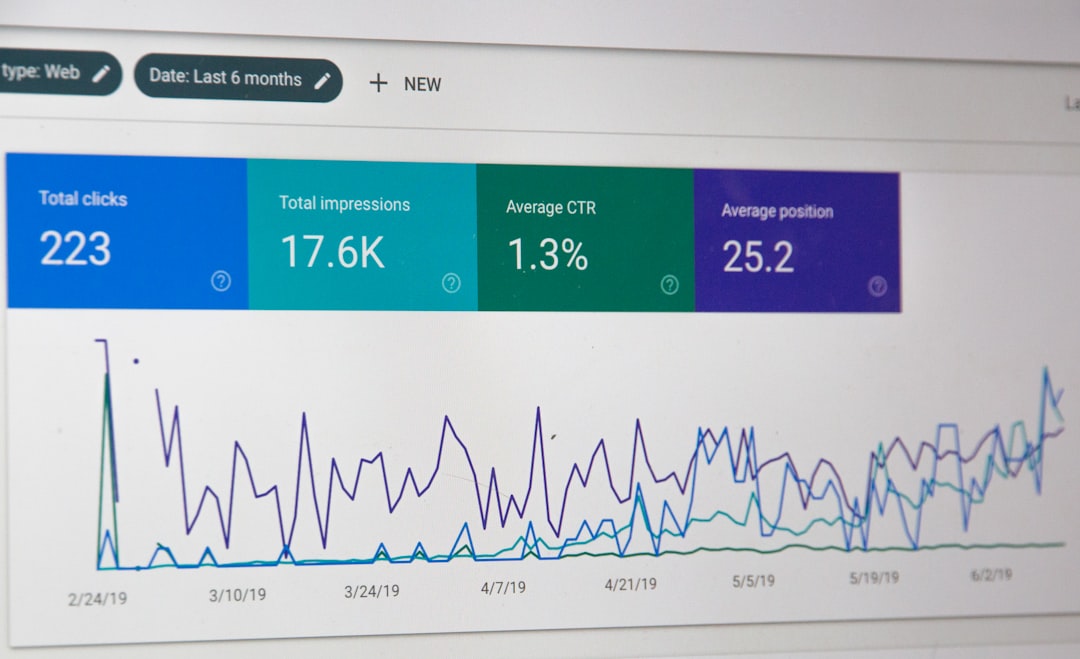
If your business expects rapid expansion, premium hosting may serve as a long-term investment rather than a recurring expense.
Security Risks: A Cost You Can’t Ignore
A security breach can cost far more than a year’s worth of premium hosting fees. Data leaks, ransomware attacks, and downtime damage not only finances but also reputation.
Cheap hosting providers usually implement standard security protocols. Premium providers, however, often deploy layered defenses and hands-on monitoring teams that respond proactively.
If your website processes:
- Customer payment information
- Personal user data
- Membership accounts
- Business-sensitive content
Upgrading becomes less about comfort and more about risk management.
When Cheap Managed Hosting Is Enough
Despite the advantages of premium plans, upgrading isn’t always necessary. Budget-friendly managed hosting makes sense if:
- You run a personal blog or hobby website
- Your site has low to moderate traffic
- You’re testing a business idea
- You’re operating under a tight startup budget
For early-stage projects, conserving funds for marketing or product development may deliver greater returns than investing in premium hosting prematurely.
When Premium Is Worth the Upgrade
Premium managed hosting typically justifies its cost when:
- Your site generates consistent revenue
- Page load speed affects conversions
- You experience traffic volatility
- Security compliance matters (e.g., PCI, GDPR)
- You cannot afford downtime
In these cases, the upgrade acts as business insurance. The higher monthly fee becomes part of a broader strategy focused on reliability, growth, and customer trust.
Cost vs Value: A Different Perspective
It’s tempting to compare hosting plans purely by monthly price. However, a smarter approach is to measure value per outcome.
Ask yourself:
- How much would one hour of downtime cost my business?
- How important is fast loading speed for customer retention?
- Do I have time to troubleshoot server issues myself?
- What would a data breach cost me in lost trust?
When framed this way, premium hosting often appears less expensive than it initially seems.
Making the Right Decision
Ultimately, the right choice depends on your website’s purpose and growth trajectory. Cheap managed hosting offers an accessible, low-risk entry point. Premium managed hosting provides enhanced stability, security, and performance for businesses where every visitor and transaction matters.
For many website owners, the most practical path is starting small and upgrading when measurable growth justifies it. Managed hosting—whether cheap or premium—remains a strong choice for those who want to focus on content and business strategy instead of server maintenance.
The bottom line: If your website is a passion project, affordable hosting is likely sufficient. If your website is a revenue engine, brand ambassador, or mission-critical platform, premium managed hosting often proves to be a worthwhile and strategic investment.
In the end, the upgrade isn’t about spending more—it’s about protecting performance, securing data, and creating an environment where growth isn’t limited by infrastructure.