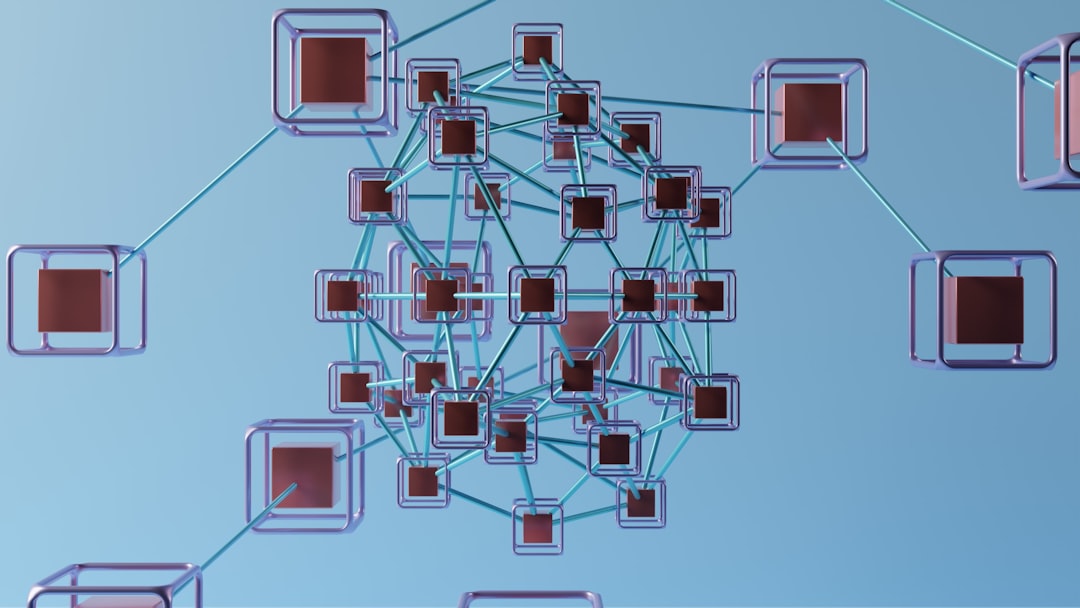
As online privacy concerns grow and businesses increasingly rely on data-driven strategies, proxy services have become a crucial tool in digital operations. Among the many providers in the market, 9Proxy has emerged as a recognizable name for individuals and organizations seeking reliable residential proxy solutions. Understanding what 9Proxy is and how it works helps users determine whether it fits their needs for anonymity, web scraping, account management, or bypassing geographic restrictions.
TLDR: 9Proxy is a residential proxy service that allows users to route their internet traffic through real residential IP addresses. It helps improve anonymity, bypass geo-restrictions, and perform tasks such as web scraping and multi-account management. By assigning genuine ISP-based IP addresses, it reduces detection risks compared to data center proxies. Its key features include large IP pools, location targeting, session control, and user-friendly integration.
What Is 9Proxy?
9Proxy is a proxy service provider specializing in residential IP addresses. A residential proxy routes a user’s internet traffic through a real device connected to a residential internet service provider (ISP). This makes the traffic appear as though it originates from a legitimate household rather than a server farm or data center.
Unlike traditional data center proxies, which generate traffic from cloud servers, residential proxies are much harder for websites to detect and block. 9Proxy focuses primarily on IPv4 residential proxies, offering users access to a large pool of IP addresses distributed across multiple countries and regions.
The service is typically used for:
- Web scraping
- Ad verification
- Market research
- Social media management
- Ecommerce monitoring
- Accessing geo-restricted content
How Does 9Proxy Work?
To understand how 9Proxy works, it is helpful to first understand the concept of a proxy server. A proxy acts as an intermediary between a user’s device and the internet. Instead of connecting directly to a website, the user connects to the proxy server, which then forwards the request to the target website.
With 9Proxy, the process works as follows:
- The user configures their browser, software, or scraper to connect through a 9Proxy IP address.
- The request is routed through one of 9Proxy’s residential IP addresses.
- The target website sees the residential IP instead of the user’s actual IP address.
- The website responds to the proxy, which forwards the data back to the user.
This process masks the user’s real IP, enhances anonymity, and reduces the chances of triggering anti-bot or anti-scraping defenses.
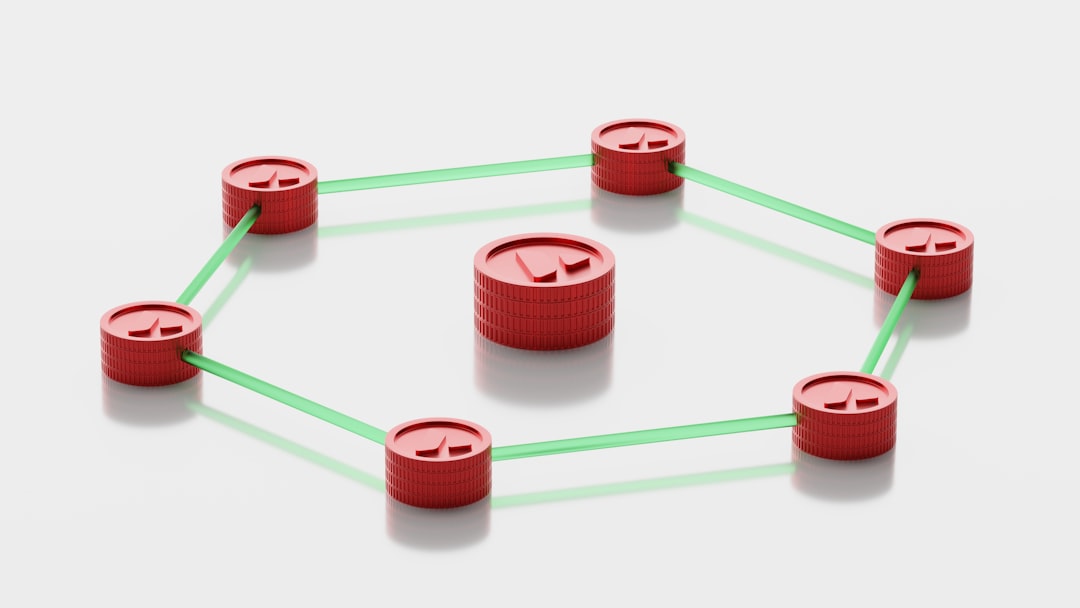
Because the IP addresses are tied to real residential devices and ISPs, websites treat requests as coming from legitimate users rather than automated systems.
Key Features of 9Proxy
1. Residential IP Pool
One of the most important features of 9Proxy is its residential IP pool. The service provides access to a large number of IPv4 residential addresses. These IPs are associated with real geographic locations and ISPs, which significantly increases trust scores in the eyes of target websites.
Benefits of a large IP pool include:
- Lower risk of IP bans
- Better rotation capabilities
- Improved scalability for large scraping projects
- Reduced detection rates
2. Location Targeting
9Proxy allows users to select IP addresses from specific countries and sometimes specific cities or regions. Geo-targeting is essential for businesses that need localized data.
For example:
- An ecommerce company can check product prices in different countries.
- An advertiser can verify how ads appear in various regions.
- A streaming user can access region-locked content.
Location targeting ensures that users receive accurate, region-specific results when conducting online research or testing campaigns.
3. IP Rotation Options
IP rotation is another standout feature. 9Proxy typically offers both rotating sessions and sticky sessions.
- Rotating proxies: The IP address changes automatically after each request or after a set interval.
- Sticky sessions: The same IP address is maintained for a defined period, often useful for login sessions.
Rotating IPs are ideal for web scraping large volumes of data without triggering anti-bot measures. Sticky sessions, on the other hand, are beneficial for account management or activities requiring session persistence.
4. Authentication Methods
Security and controlled access are handled via authentication methods. 9Proxy commonly supports:
- Username and password authentication
- IP whitelisting
This ensures that only authorized users can access the proxy network. Businesses often prefer IP whitelisting for automation tools running on fixed servers, while individual users may choose login-based authentication.
5. Compatibility with Tools and Software
9Proxy is generally compatible with a wide range of tools and software, including:
- Web scraping frameworks
- SEO tools
- Automation bots
- Browsers with manual proxy configuration
- Custom scripts and APIs
This flexibility makes it suitable for both technical users and non-technical users who simply need to configure proxy settings in their browser.
6. High Anonymity Levels
Because 9Proxy uses residential IP addresses, it provides a higher level of perceived legitimacy. High anonymity proxies hide the original IP address and do not disclose that a proxy is being used, making detection more difficult.
This is particularly valuable when accessing websites that aggressively block data center proxies or suspicious traffic patterns.
Common Use Cases of 9Proxy
Web Scraping and Data Collection
Many companies rely on web scraping to collect price data, product listings, competitor information, or public records. Websites often implement rate limits and IP bans. By rotating residential IPs, 9Proxy enables more stable and scalable data gathering operations.
Social Media Account Management
Managing multiple social media accounts from the same IP address can trigger security alerts. Using different residential IPs helps distribute login activity and reduces the risk of account suspension.
Ad Verification
Digital advertisers use proxies to verify that ads display correctly in specific regions. Residential proxies ensure that ad previews reflect what real users in a particular city or country would see.
Sneaker Copping and Limited Releases
During limited product drops, high demand often leads to strict purchase limits per IP address. Rotating residential IPs can help users avoid restrictions and improve purchase success rates.
Bypassing Geo-Restrictions
Some online content is restricted by region. By selecting a residential IP from a different country, users can access region-specific websites, content, or services.
Advantages of Using 9Proxy
Users often choose 9Proxy for several reasons:
- Improved anonymity compared to data center proxies
- Lower block rates due to residential IP authenticity
- Flexible rotation settings for different use cases
- Global location coverage
- Scalable solutions for enterprises and individuals
These advantages make it a competitive option in the residential proxy market.
Potential Limitations
While 9Proxy offers many benefits, users should also consider possible limitations:
- Residential proxies are typically more expensive than data center proxies.
- Speed may vary depending on the residential node.
- Available IP locations may be concentrated in certain regions.
- Improper usage may violate website terms of service.
Understanding these factors helps users set realistic expectations and choose the right proxy type for their needs.
Is 9Proxy Safe and Legal?
Proxy services such as 9Proxy are legal in most jurisdictions when used for legitimate purposes. However, legality depends heavily on how the service is used. Activities like ethical data collection, SEO monitoring, and ad verification are generally acceptable, while malicious or unlawful activities are not.
Users should always:
- Review local laws and regulations
- Comply with website terms of service
- Use proxies responsibly and ethically
From a technical standpoint, authentication mechanisms and encrypted connections help maintain account security and reduce unauthorized access.
Conclusion
9Proxy is a residential proxy provider designed to help users enhance online anonymity, access geo-restricted content, and perform data-intensive tasks with reduced detection risk. By offering real residential IP addresses, flexible rotation options, and location targeting, it supports a wide range of personal and business applications.
Whether for web scraping, social media management, ecommerce monitoring, or ad verification, its core strength lies in providing legitimate-looking traffic that websites are less likely to block. As with any proxy service, its effectiveness depends on proper configuration, responsible usage, and alignment with specific project requirements.
FAQ
-
What makes 9Proxy different from data center proxies?
9Proxy uses real residential IP addresses tied to ISPs, while data center proxies use cloud server IPs. Residential IPs are harder to detect and block. -
Is 9Proxy suitable for beginners?
Yes, users who understand basic proxy configuration can use it. Many applications support simple username and password authentication, making setup relatively straightforward. -
Can 9Proxy be used for web scraping?
Yes, it is commonly used for web scraping because rotating residential IPs reduce the likelihood of bans and rate limits. -
Does 9Proxy support geo-targeting?
Yes, users can select IP addresses from specific countries and sometimes regions, which is useful for localized research and testing. -
Are residential proxies slower than data center proxies?
They can be slightly slower because traffic passes through real devices, but they typically offer better reliability when accessing protected websites. -
Is using 9Proxy legal?
Using a proxy service is generally legal, but it must be used for lawful activities and in compliance with relevant regulations and website terms.