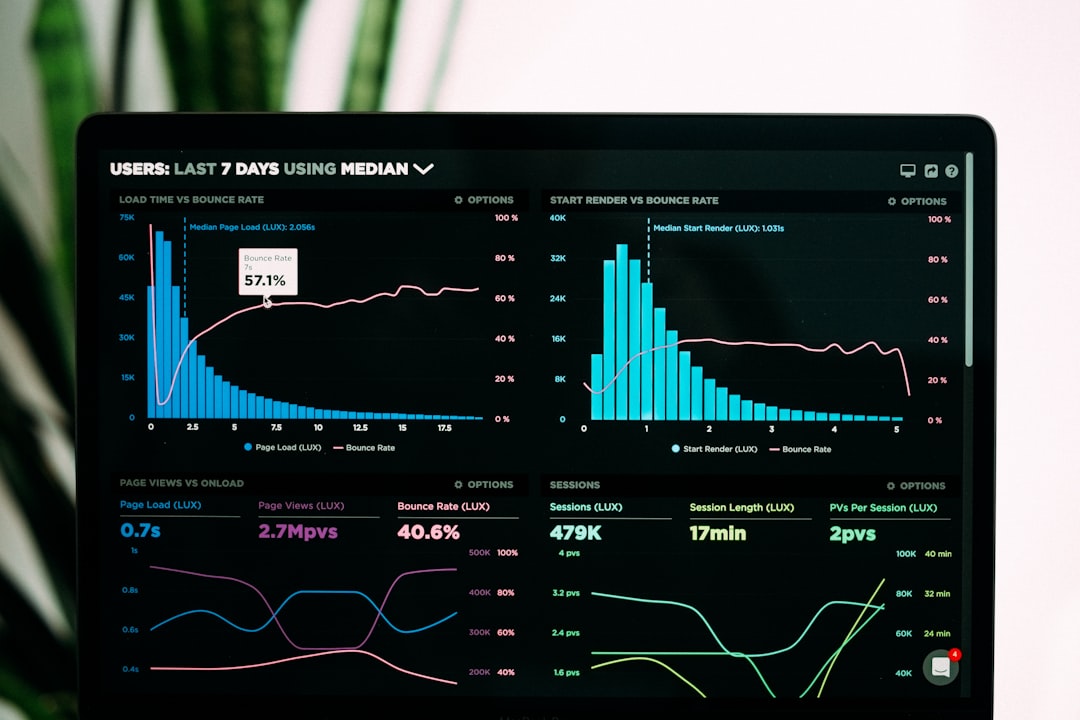
Search engine visibility is one of the most decisive factors in digital success. No matter how strong your content, brand, or product is, if your pages are not ranking well in search engines, your reach and revenue will suffer. This is why SERP tracking tools have become a critical component of modern SEO strategy. They provide accurate insights into keyword rankings, competitor movements, and overall performance trends, allowing businesses to make informed decisions based on data rather than guesswork.
TLDR: SERP tracking tools monitor keyword positions in search engines and provide actionable data for improving SEO performance. They help detect ranking fluctuations, analyze competitors, and measure the impact of optimization efforts. The best tools offer automation, location tracking, historical data, and detailed reporting. Choosing the right platform depends on your business size, budget, and reporting needs.
What Are SERP Tracking Tools?
SERP (Search Engine Results Page) tracking tools are software platforms designed to monitor how specific keywords rank in search engines like Google and Bing over time. These tools track fluctuations daily, weekly, or in real time, offering insights that help marketers refine content strategies and improve organic search visibility.
Rather than manually searching for keywords — which can produce personalized and inconsistent results — SERP tools provide structured, unbiased, and scalable data reports.
Why SERP Tracking Matters for SEO Performance
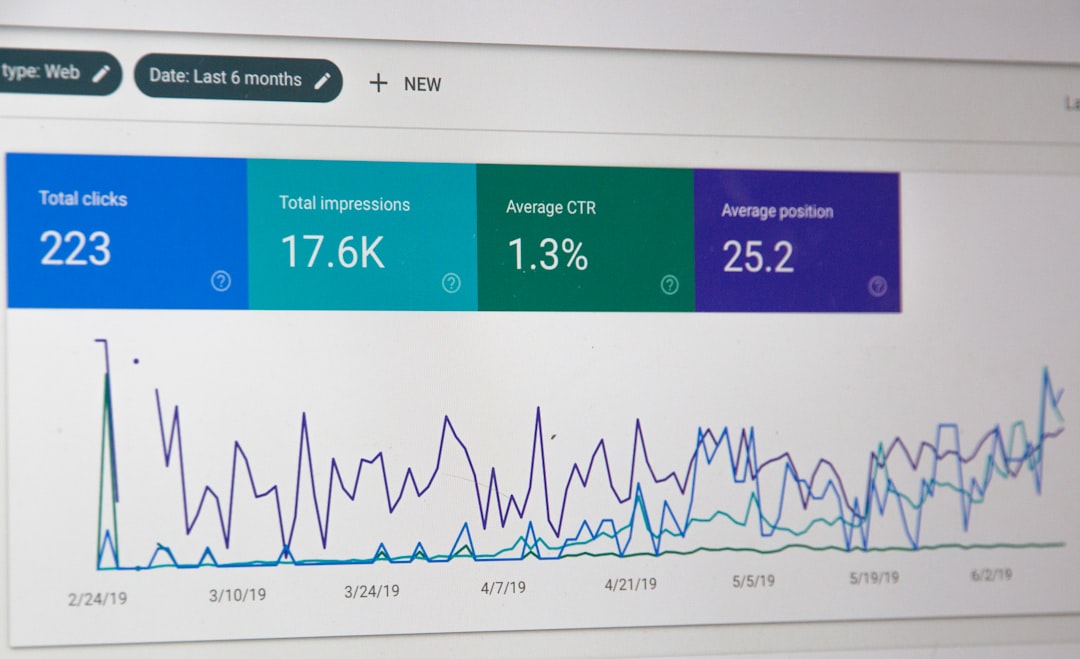
Tracking keyword rankings is not about vanity metrics. It directly supports measurable business outcomes. Here is why SERP monitoring is essential:
- Performance Measurement: Track whether optimization efforts are producing positive movement.
- Competitor Monitoring: See which domains are outranking you and identify gaps.
- Algorithm Update Detection: Spot sudden drops or spikes caused by search engine changes.
- Local and Mobile Insights: Understand how rankings differ across devices and regions.
- ROI Analysis: Correlate ranking improvements with traffic and conversions.
Without ongoing tracking, SEO becomes reactive instead of strategic. Businesses risk losing visibility without even realizing it.
Core Features to Look for in SERP Tracking Tools
While many platforms promise accurate tracking, the most reliable tools share a set of professional-grade features:
1. Accurate Daily Tracking
Frequent updates ensure you are seeing real-time performance rather than outdated data.
2. Local and Global Tracking
Rankings vary by geography. Strong tools allow city, country, and even ZIP-level tracking.
3. Mobile and Desktop Segmentation
Mobile-first indexing makes device-based insights crucial.
4. Historical Data and Trends
Access to long-term ranking history enables deeper strategic planning and pattern analysis.
5. Competitor Benchmarking
Side-by-side comparisons reveal opportunities where competitors are gaining ground.
6. Reporting and Automation
Professional SEO reporting should include data exports, scheduled email reports, and white-label options.
Top SERP Tracking Tools for Monitoring SEO Performance
Below is a carefully selected list of reputable tools widely used by agencies, enterprises, and independent marketers.
1. SEMrush
SEMrush offers a comprehensive SEO suite with advanced keyword tracking capabilities. It allows daily monitoring, competitor comparisons, and visibility reports.
- Position tracking by location
- Competitor discovery
- SERP feature tracking
- Integrated site audit tools
2. Ahrefs
Ahrefs is known for its powerful backlink analysis but also delivers reliable rank tracking features.
- Desktop and mobile tracking
- Visibility percentage metrics
- Historical rankings
- Deep competitor insights
3. AccuRanker
AccuRanker focuses primarily on accurate and fast keyword tracking. It is widely trusted for precision in daily updates.
- On-demand ranking updates
- Local tracking
- Advanced reporting
- Agency-friendly dashboards
4. Moz Pro
Moz provides user-friendly keyword tracking combined with domain authority insights.
- Keyword difficulty scores
- Ranking trends
- Custom reports
- SERP feature analysis
5. SERPWatcher (Mangools)
SERPWatcher is a simplified yet effective tracking solution ideal for small to mid-sized businesses.
- Daily updates
- Performance index metric
- Interactive reports
- Budget-friendly pricing

Comparison Chart of Leading SERP Tracking Tools
| Tool | Daily Tracking | Local SEO | Competitor Analysis | Best For |
|---|---|---|---|---|
| SEMrush | Yes | Yes | Advanced | Agencies & Enterprises |
| Ahrefs | Yes | Yes | Advanced | Data-Driven Marketers |
| AccuRanker | Yes (Fast Updates) | Yes | Moderate | Precision Tracking |
| Moz Pro | Yes | Limited | Moderate | Small to Mid Businesses |
| SERPWatcher | Yes | Basic | Basic | Budget-Conscious Users |
How to Choose the Right SERP Tracking Tool
Selecting the ideal tool requires careful evaluation of your SEO maturity level and operational requirements.
Consider Your Business Size
Large enterprises often need granular reporting and API access, while small businesses may prioritize affordability and simplicity.
Assess Keyword Volume
Some pricing models scale with the number of tracked keywords. Ensure the tool can grow with your strategy.
Evaluate Reporting Needs
If you work with clients, white-label reporting and scheduled updates are essential.
Check Integration Capabilities
Platforms that integrate with analytics tools streamline data analysis and reporting.
Best Practices for Using SERP Tracking Tools
Simply subscribing to a tracking platform is not enough. The following practices improve data quality and interpretation:
- Group Keywords by Intent: Segment transactional, informational, and branded terms separately.
- Track Competitors Consistently: Monitor recurring competitors for realistic benchmarks.
- Analyze Trends, Not Daily Fluctuations: Focus on broader patterns rather than short-term volatility.
- Monitor SERP Features: Featured snippets, local packs, and video results impact visibility.
- Align Rankings with Traffic Data: Rankings are meaningful when paired with actual website visits.

Common Challenges in SERP Tracking
Even the most advanced tools face certain limitations. Understanding these challenges helps maintain perspective:
- Personalization Factors: Search results vary based on user behavior and history.
- Location Variability: Rankings differ significantly across regions.
- Algorithm Updates: Sudden ranking shifts may not reflect poor strategy but changes in Google’s algorithm.
- SERP Feature Displacement: Even high-ranking pages may receive fewer clicks if featured snippets dominate results.
A disciplined approach involves combining ranking data with click-through rates and conversion metrics.
The Strategic Value of Long-Term Rank Monitoring
Short-term ranking gains can be encouraging, but sustainable SEO success depends on long-term consistency. SERP tracking tools enable organizations to:
- Identify evergreen content opportunities
- Discover declining pages before traffic drops severely
- Measure the impact of content updates
- Prioritize technical fixes based on ranking impact
In competitive markets, marginal ranking improvements — such as moving from position five to position two — can significantly increase traffic. Continuous tracking helps uncover these leverage points.
Conclusion
SERP tracking tools are not optional in a serious SEO strategy; they are foundational. Accurate, transparent, and frequent ranking data empowers businesses to act decisively rather than speculate. By combining daily tracking with competitor analysis, historical data, and structured reporting, organizations can sustain long-term growth in organic visibility.
Choosing the right tool ultimately depends on your goals, budget, and operational complexity. However, any business invested in sustainable search performance must prioritize consistent SERP monitoring as part of its broader digital marketing framework. In today’s competitive landscape, data-driven SEO is not merely advantageous — it is essential.