
Artificial intelligence is no longer a distant concept shaping only high-tech laboratories and research centers. It has moved directly into the hands of marketers, educators, entrepreneurs, and creators. One of the most transformative areas is video production. What once required expensive equipment, professional crews, and weeks of editing can now be accomplished in a matter of hours—or even minutes—thanks to AI-powered video creation tools.
TLDR: AI video creation is transforming digital content by making production faster, more affordable, and highly scalable. Businesses and creators can now generate professional videos with minimal resources using automation, smart editing, and generative AI. From marketing campaigns to online education, AI tools are reducing barriers and unlocking new creative possibilities. The result is a more dynamic, accessible, and personalized content landscape.
As digital platforms increasingly prioritize video content, the pressure to produce engaging visuals has never been higher. AI not only meets this demand but reshapes the entire workflow behind video production.
The Growing Dominance of Video Content
Video has become the backbone of digital communication. Social media algorithms favor it. Search engines rank it prominently. Audiences prefer it over long blocks of text. The shift is clear:
- Higher engagement rates on social media posts with video
- Better retention compared to text-only formats
- Improved conversion rates for landing pages with video
- Stronger brand recall through visual storytelling
But traditional video production comes with significant hurdles:
- High equipment costs
- Complex editing software
- Professional crew requirements
- Lengthy production timelines
This is where AI disrupts the status quo.
What Is AI Video Creation?
AI video creation refers to the use of artificial intelligence technologies—such as machine learning, natural language processing, and computer vision—to automate video production tasks. These tools can:
- Convert text into video
- Generate AI avatars that speak scripted content
- Automatically edit clips together
- Create voiceovers in multiple languages
- Enhance video quality and remove noise
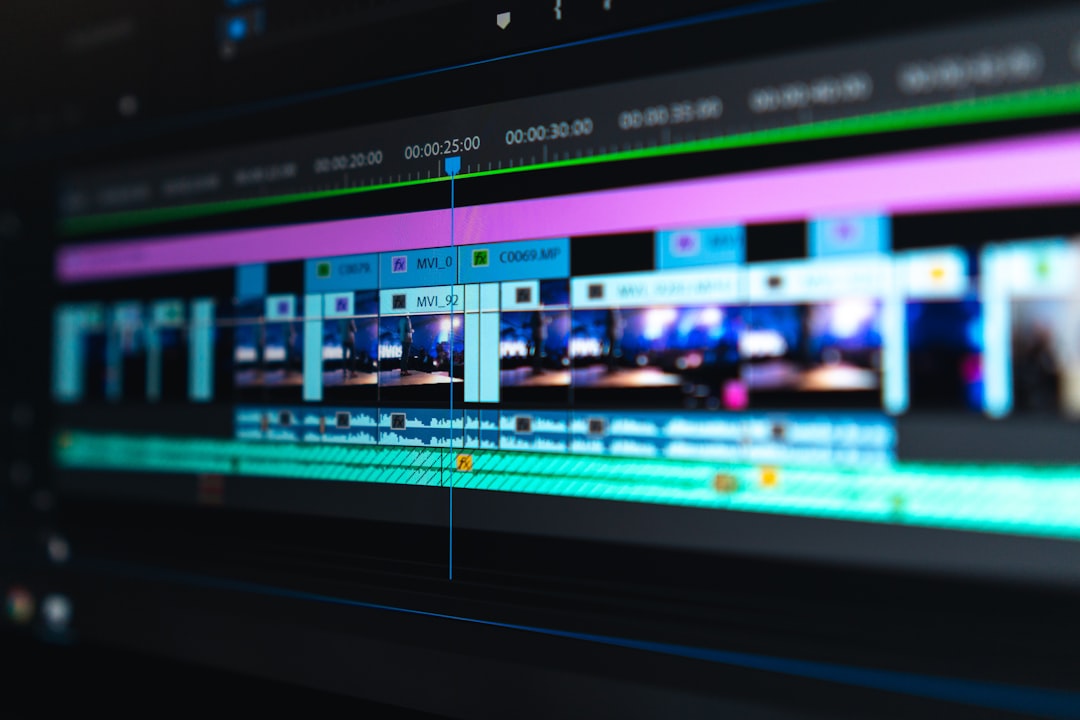
Instead of manually filming and editing every scene, creators can input a script or idea and let AI handle much of the technical work. The transformation is comparable to how website builders democratized web development years ago.
How AI Is Transforming the Production Workflow
AI video tools are not just new gadgets—they fundamentally change how content moves from idea to publication. Let’s explore how.
1. Script to Screen in Minutes
Text-to-video technology allows users to paste a blog post, script, or product description and instantly turn it into a dynamic video. AI automatically:
- Selects relevant stock footage
- Adds subtitles and captions
- Chooses background music
- Applies transitions and animations
This drastically reduces pre-production time and eliminates the need for complex editing skills.
2. AI Avatars and Synthetic Presenters
AI-generated avatars can present content in a lifelike manner. These digital presenters can:
- Speak multiple languages
- Maintain consistent branding
- Deliver corporate training materials
- Personalize video messages at scale
For global businesses, this means producing localized content without hiring separate presenters or studios in each region.
3. Automated Editing and Smart Enhancements
Advanced AI systems can automatically cut awkward silences, adjust lighting, stabilize footage, and enhance audio quality. Instead of spending hours fine-tuning edits, creators can rely on:
- Background noise removal
- Auto-captioning accuracy
- Scene detection and trimming
- Color correction suggestions
This streamlines post-production while maintaining professional quality.
Industries Being Transformed by AI Video
The impact of AI-generated video extends far beyond entertainment. Several sectors are experiencing a major shift.
Marketing and Advertising
Brands can now create dozens of ad variations tailored to different demographics. AI enables:
- A/B testing at scale
- Personalized video ads
- Rapid campaign launches
- Cost-efficient social media content
Instead of filming separate commercials, marketers can adjust scripts and visuals digitally.
Education and E-Learning
Online courses benefit significantly from AI-generated presenters and explainer videos. Educators can transform lesson plans into engaging visual modules, making content more accessible and visually appealing.
Corporate Training
Large organizations often struggle to keep training materials up to date. AI video tools allow quick modifications without reshooting footage. This is particularly valuable for compliance updates or onboarding processes.
Content Creation and Influencers
Independent creators can compete with larger production teams by automating editing and graphics. This levels the playing field, allowing creativity—not budget—to determine success.
Popular AI Video Creation Tools
Several platforms are leading the AI video revolution. Below is a simplified comparison of widely recognized tools in the market.
| Tool | Best For | Key Features | Ease of Use |
|---|---|---|---|
| Synthesia | AI avatar presentations | Realistic avatars, multilingual support, text to speech | Very user friendly |
| Pictory | Text to video conversion | Auto scene selection, captions, stock integration | Beginner friendly |
| Runway | Advanced AI editing | Background removal, generative effects, motion tracking | Intermediate |
| Lumen5 | Marketing videos | Drag and drop builder, branded templates | Very user friendly |
Each platform offers a slightly different focus—from avatar-driven presentations to AI-assisted editing—allowing businesses to select tools aligned with their goals.
The Benefits Driving Adoption
The rapid integration of AI video creation is fueled by tangible advantages.
1. Cost Efficiency
By reducing the need for physical studios, actors, and post-production teams, AI dramatically cuts costs. Small businesses can now produce professional-quality videos without massive budgets.
2. Speed and Scalability
AI tools allow creators to scale output quickly. A single script can generate multiple versions tailored to different markets, languages, or platforms.
3. Accessibility
No formal editing training is required. With intuitive interfaces and automated functions, non-technical users can produce polished results.
4. Data-Driven Optimization
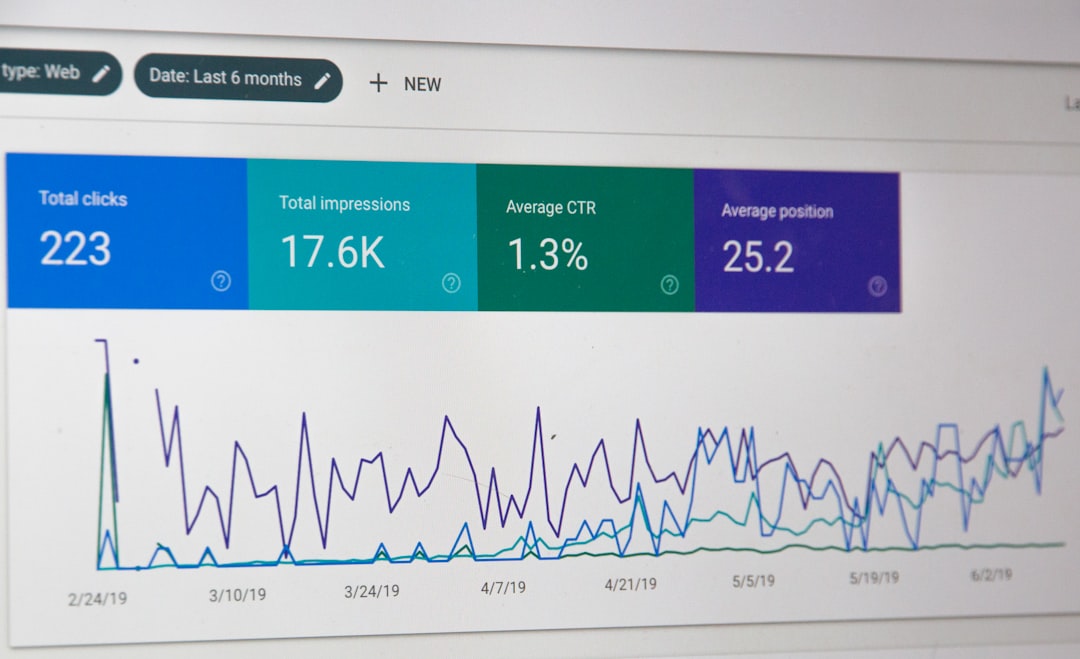
Some AI platforms integrate analytics to help refine messaging. By evaluating engagement data, creators can modify scripts and visuals for better performance.

Challenges and Ethical Considerations
While AI video creation offers remarkable advantages, it is not without concerns.
- Deepfake misuse: Realistic avatars and voice cloning can be exploited unethically.
- Content authenticity: Audiences may question what is real versus computer-generated.
- Creative displacement: Traditional videography roles may evolve or decline.
- Quality inconsistency: Overreliance on automation can result in generic or repetitive output.
Addressing these challenges requires ethical guidelines, transparency, and thoughtful implementation. Many platforms are implementing safeguards such as watermarking and usage policies to reduce misuse.
The Future of AI in Video Creation
The next wave of AI innovation promises even more transformative capabilities. Emerging developments include:
- Fully generated cinematic scenes from simple prompts
- Real-time personalized video streams
- Hyper-realistic digital humans
- Interactive AI-driven storytelling
As generative AI advances, the boundary between traditional filmmaking and automated production will continue to blur. What once required cameras and sets may soon be created entirely within digital environments.
Importantly, human creativity remains central. AI excels at accelerating processes, analyzing data, and automating technical tasks. However, storytelling, emotional insight, and strategic thinking still rely on human direction. The most powerful results emerge when creators combine imagination with intelligent automation.
Conclusion
AI video creation is not just a trend—it represents a fundamental shift in how digital content is produced and consumed. By lowering barriers, increasing speed, and enabling global scalability, artificial intelligence is redefining creative possibilities. Businesses can engage audiences more dynamically, educators can enhance digital learning, and independent creators can compete with professional studios.
As this technology continues to evolve, one thing is clear: the democratization of video production has begun. Those who embrace AI-powered tools today position themselves at the forefront of a rapidly expanding digital future—where ideas move from concept to compelling visual story faster than ever before.