
The concept of the metaverse has evolved from speculative fiction into a rapidly developing ecosystem of immersive digital environments. At the center of this transformation are designers who are tasked with building experiences that are interactive, visually compelling, and technically sound. To meet these demands, professionals are increasingly turning to Adobe’s ecosystem of creative tools. Adobe’s applications are not only enabling the design of 3D assets and environments, but also streamlining workflows for collaboration, prototyping, and deployment across virtual platforms.
TLDR: Adobe tools are playing a crucial role in helping designers build immersive metaverse experiences. Applications like Substance 3D, Adobe Aero, Illustrator, and After Effects allow creators to design 3D assets, realistic materials, augmented reality scenes, and motion graphics within a unified ecosystem. Integrated workflows, cloud collaboration, and real-time rendering capabilities make it easier to move from concept to deployment. As the metaverse matures, Adobe’s tools are becoming foundational infrastructure for serious digital world-building.
The metaverse demands more than static visuals. It requires real-time rendering, spatial awareness, interactivity, and high-performance optimization. Traditional design pipelines were not originally built for these requirements. Adobe has responded by expanding its Creative Cloud and Substance 3D suite to provide designers with the flexibility and technological depth necessary for immersive environments.
The Shift from 2D Design to Immersive 3D Creation
Designers entering the metaverse must think beyond flat screens. Instead of designing a webpage or mobile interface, they are constructing explorable spaces populated by textured objects, animated elements, and responsive interactions. This shift requires tools that bridge traditional design foundations with advanced 3D capabilities.
Adobe has strategically positioned several applications to support this transition:
- Adobe Substance 3D Painter for texturing and material creation
- Adobe Substance 3D Sampler for turning real-world photos into realistic 3D materials
- Adobe Aero for building augmented reality experiences
- Adobe Illustrator and Photoshop for asset creation and texture foundations
- Adobe After Effects for animation and motion integration
These tools work together within the Creative Cloud ecosystem, enabling designers to move seamlessly between 2D concept art and fully realized 3D experiences.
Substance 3D: Building Realism in Virtual Worlds
The Substance 3D suite has become one of Adobe’s most important contributions to metaverse design. Realistic materials are essential in immersive environments because they determine how surfaces react to light, motion, and interaction.
Substance 3D Painter allows designers to paint detailed textures directly onto 3D models. Instead of applying flat images, creators can define:
- Surface roughness
- Metalness and reflectivity
- Subsurface scattering
- Environmental wear and tear
This level of detail ensures that objects behave convincingly under different lighting conditions, which is critical in real-time engines used by many metaverse platforms.
Meanwhile, Substance 3D Sampler enables the creation of digital materials from photographs. A simple image of concrete, wood, or fabric can be transformed into a fully tileable, dynamic 3D material. This efficiency reduces production time while preserving visual authenticity.
For organizations building branded spaces in the metaverse, this realism strengthens trust and recognition. Virtual showrooms, retail experiences, and exhibitions benefit from materials that mirror real-world expectations.
Adobe Aero: Simplifying Augmented Reality Creation
While virtual reality environments attract much attention, augmented reality (AR) is equally important in bridging physical and digital worlds. Adobe Aero allows designers to build AR experiences without extensive coding knowledge.
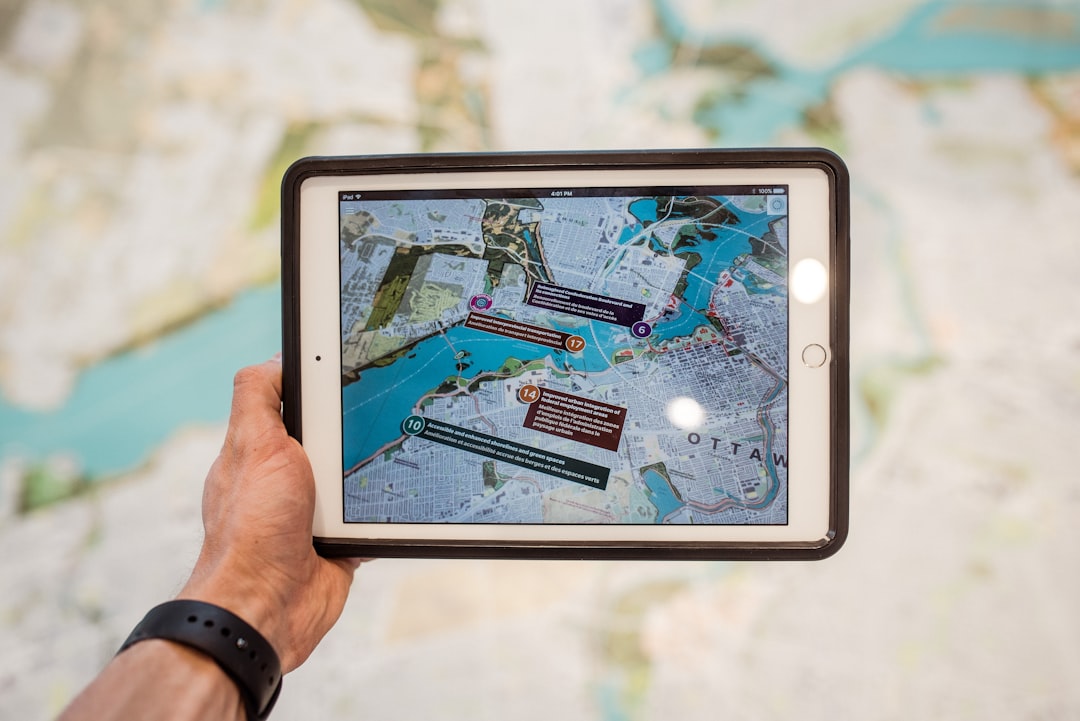
With Aero, creators can:
- Import 3D assets created in Substance or third-party software
- Animate behaviors and triggers using visual controls
- Design location-based immersive interactions
- Preview experiences in real time on mobile devices
This accessibility lowers the technical barrier to entry while maintaining professional-grade output. Designers can prototype immersive brand activations, educational environments, or product visualizations directly within the Adobe ecosystem.
Motion and Interactivity with After Effects
The metaverse is not static. Movement, transitions, and environmental responsiveness are core to engaging digital spaces. Adobe After Effects plays a significant role in developing animated elements that later integrate into 3D platforms.
Motion designers can create:
- Animated visual effects
- Dynamic typography for virtual spaces
- Interactive UI components
- Looping environmental animations
By exporting assets into compatible formats, these elements can enhance immersion inside metaverse platforms. After Effects also integrates with Adobe’s broader suite, enabling teams to refine animations collaboratively.
Collaborative Workflows Through Creative Cloud
Metaverse projects often involve multidisciplinary teams, including 3D artists, UX designers, developers, and brand strategists. Adobe Creative Cloud facilitates collaboration through cloud libraries, shared assets, and version control.
Key collaborative advantages include:
- Cloud Libraries: Ensure consistent branding and material standards across teams.
- Cross-App Integration: Smooth transitions between Photoshop, Illustrator, and Substance.
- Real-Time Feedback: Streamlined review cycles reduce production delays.
This interconnected workflow minimizes friction between concept development and technical deployment. For enterprise-level metaverse initiatives, such efficiency can significantly reduce costs and time to market.
Comparison of Key Adobe Tools for Metaverse Development
| Tool | Primary Function | Best For | Metaverse Application |
|---|---|---|---|
| Substance 3D Painter | Texture and material painting | 3D artists | Realistic object surfaces and environments |
| Substance 3D Sampler | Material generation from photos | Material designers | Photorealistic surface creation |
| Adobe Aero | AR experience design | AR creators and marketers | Interactive augmented environments |
| After Effects | Animation and visual effects | Motion designers | Dynamic immersive elements |
| Illustrator & Photoshop | 2D asset creation | Graphic designers | Textures, UI elements, and conceptual art |
From Concept Art to Deployable Assets
A defining strength of Adobe’s tools is their ability to support the full lifecycle of digital asset creation. Designers frequently begin ideation in Photoshop or Illustrator, sketching environment layouts, user interface components, or branded assets. These concepts then move into 3D modeling and texturing within Substance.
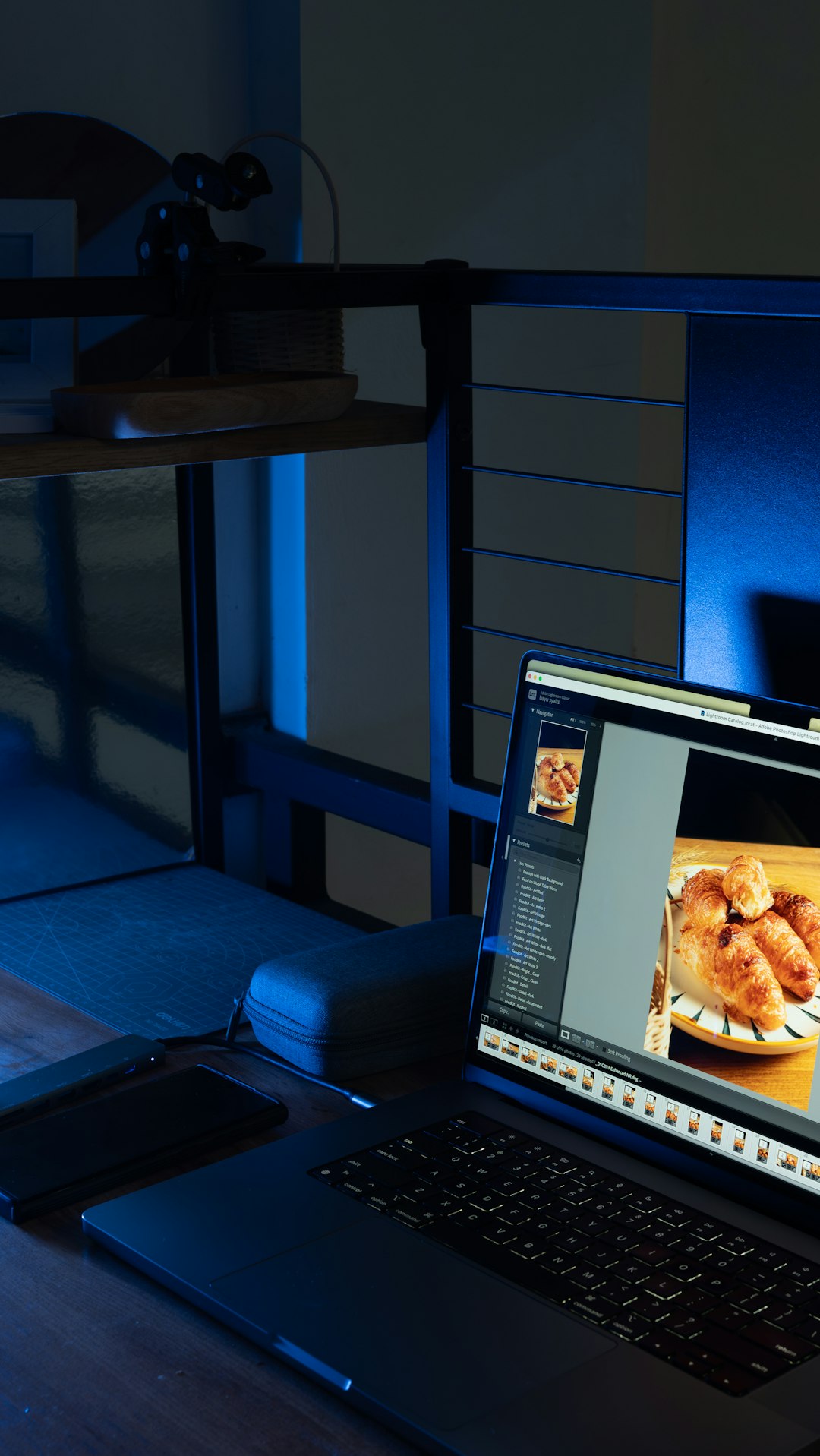
This flow ensures that creative intent is preserved throughout production. By maintaining consistent file compatibility and color management standards, Adobe reduces the risk of visual discrepancies when assets transition between platforms.
Furthermore, integration with popular 3D engines allows assets created in Adobe applications to be used within interactive environments with minimal rework. This structured pipeline allows teams to focus on innovation rather than troubleshooting compatibility issues.
Enhancing Brand Presence in the Metaverse
Brands entering the metaverse face high expectations for quality and consistency. Digital spaces must reflect established brand identities while embracing the creative freedom of immersive media.
Adobe tools assist in maintaining brand integrity through:
- Accurate color profiles and typography management
- Reusable asset libraries for consistency
- Scalable vector graphics for adaptable environments
- High-fidelity material rendering for premium aesthetics
These capabilities ensure that whether a brand is hosting a virtual concert, opening a digital storefront, or launching an NFT collection, its visual presentation aligns with its broader identity. Using an AI presentation maker can further streamline this process by helping brands create visually consistent and engaging slides that match their overall design language.
Lowering Barriers While Maintaining Professional Standards
One of the challenges of metaverse development is balancing accessibility with sophistication. Advanced 3D software has traditionally required specialized technical knowledge. Adobe’s approach emphasizes intuitive interfaces while preserving professional-level control.
For example, designers unfamiliar with complex node-based systems can still create high-quality materials in Substance using guided workflows. Similarly, Aero’s visual triggers allow interactive storytelling without writing code.
This democratization expands participation in virtual world-building. Smaller studios, independent creators, and educational institutions can engage in metaverse design without building entirely new technical teams.
The Strategic Importance of Adobe in the Metaverse Economy
As the metaverse economy grows, digital assets become long-term investments. Virtual goods, branded environments, and immersive experiences require durability and scalability. Adobe’s established reputation in digital media provides a stable foundation for these developments.
Its tools are continuously updated to adapt to emerging standards in 3D rendering, AR compatibility, and cross-platform deployment. For organizations making strategic investments in immersive technologies, relying on a mature ecosystem reduces operational risk.
Moreover, Adobe’s focus on interoperability ensures that designers are not confined to isolated workflows. Assets can move into gaming engines, AR frameworks, and other immersive systems without substantial rebuilding.
Conclusion
The metaverse represents a significant evolution in digital interaction, blending creativity with advanced spatial computing. Designers are central to this transformation, and they require tools that balance technical precision with artistic flexibility.
Adobe’s suite — particularly Substance 3D, Aero, After Effects, Illustrator, and Photoshop — provides a comprehensive framework for building immersive, interactive environments. Through integrated workflows, realistic material systems, motion design capabilities, and cloud-based collaboration, Adobe empowers professionals to move confidently from concept to fully realized metaverse experiences.
As immersive technologies mature and adoption accelerates, the role of dependable creative infrastructure becomes increasingly important. Adobe’s continued innovation suggests that it will remain a cornerstone for designers building the next generation of digital worlds.