Artificial intelligence has rapidly transformed the creative landscape, turning what once took hours—or even days—into tasks that can be completed in minutes. Among the most exciting advancements is the AI image generator, a tool that empowers designers, marketers, entrepreneurs, and content creators to produce stunning visuals with speed and precision. Whether you’re building a brand, launching a campaign, or experimenting with artistic concepts, AI image generators can significantly streamline your workflow while expanding your creative possibilities.
TLDR: AI image generators allow you to create high-quality visuals in minutes by turning text prompts into detailed images. By learning how to craft better prompts, refine outputs, and integrate AI into your workflow, you can design faster and more efficiently. These tools are ideal for branding, social media, product mockups, and concept development. Used strategically, they enhance creativity rather than replace it.
What Is an AI Image Generator?
An AI image generator is a software tool powered by machine learning models that creates images based on text descriptions, reference visuals, or design parameters. Instead of manually drawing or designing from scratch, users describe what they want, and the AI interprets the request to produce a visual output.
For example, typing “modern minimalist logo with blue gradients and geometric shapes” can produce multiple design options instantly. This ability drastically reduces brainstorming and drafting time while opening the door to fresh creative perspectives.
Why AI Image Generators Make Design Faster
Speed is one of the main reasons professionals turn to AI. Traditional design processes include sketching, revising, feedback cycles, and technical polishing. AI accelerates several of these stages.
- Instant concept visualization: Translate ideas into visuals immediately.
- Rapid iteration: Generate multiple variations within seconds.
- Reduced manual effort: Automate time-consuming detailing tasks.
- Quick experimentation: Test styles, colors, and compositions effortlessly.
Instead of staring at a blank canvas, you begin with several AI-generated drafts that act as creative springboards.
How to Use AI Image Generators Effectively
While AI tools are powerful, getting high-quality results requires strategy. Here’s how to use them smarter—not just faster.
1. Write Detailed Prompts
The quality of your output depends heavily on your input. A vague prompt like “nice logo” won’t deliver strong results. Instead, be specific about:
- Style (minimalist, vintage, futuristic)
- Colors
- Lighting or mood
- Composition details
- Industry or target audience
For example: “elegant gold serif logo on dark background, luxury brand aesthetic, high contrast lighting” will yield much more refined outputs.
2. Use Iteration Strategically
AI design is not always one-and-done. Treat the first output as Version 1. Then refine your prompt:
- Add constraints to reduce clutter.
- Specify symmetry or alignment.
- Request variations of a chosen design.
This iterative collaboration between you and the AI produces professional-level results.
3. Combine AI With Human Refinement
AI-generated images are most effective when paired with human judgment. Use graphic editing software to:
- Adjust typography
- Fine-tune color balance
- Correct imperfections
- Resize or optimize for platforms
Think of AI as your ultra-fast design assistant—not a total replacement for your creative instincts.
Smart Applications for AI Image Generators
AI image generators can be applied across numerous industries. Here’s where they shine most:
Branding and Logo Creation
Create multiple brand concepts within minutes. This is especially helpful during early-stage brainstorming when exploring visual identities.
Social Media Content
Generate scroll-stopping visuals tailored to platform dimensions and audience preferences.
Product Mockups
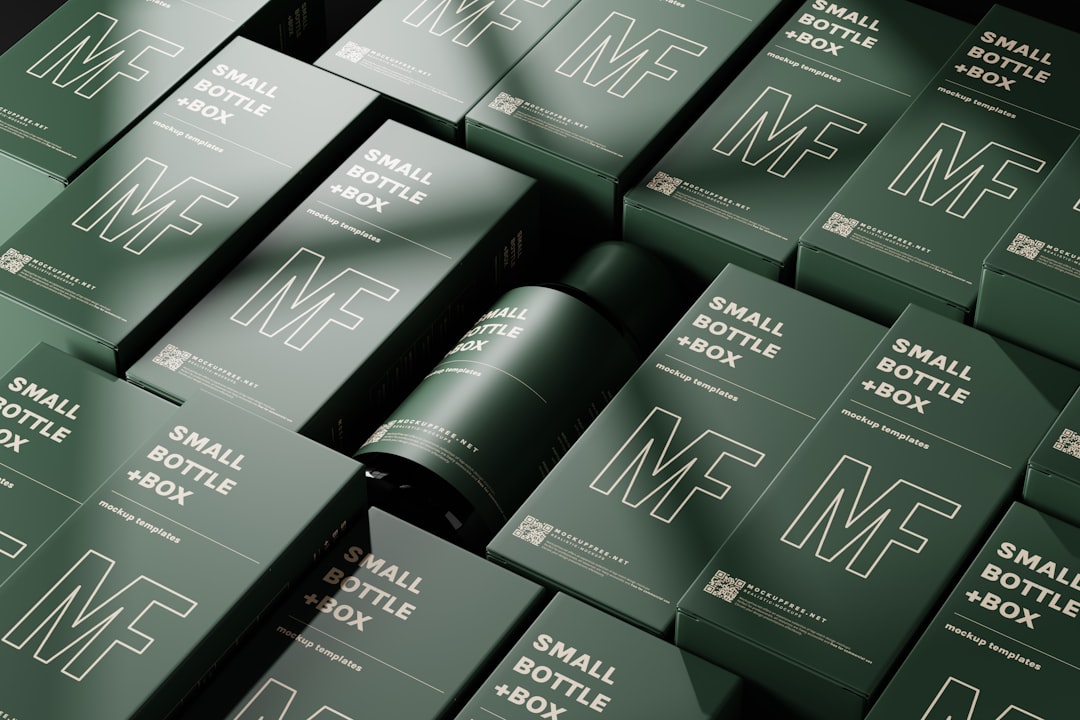
Visualize packaging, merchandise, or promotional materials before investing in physical prototypes.
Concept Art and Storyboarding
Writers, filmmakers, and game developers can produce quick visual representations of characters, environments, and scenes.
Marketing Campaign Visuals
Test different campaign themes or seasonal adaptations quickly without hiring full production teams for early drafts.
Popular AI Image Generators Compared
If you’re considering different tools, here’s a simplified comparison of widely used AI image generators:
| Tool | Best For | Ease of Use | Customization Level | Output Quality |
|---|---|---|---|---|
| Midjourney | Artistic, stylized visuals | Medium | High | Very High |
| DALL E | Creative illustrations and concepts | High | Medium | High |
| Stable Diffusion | Advanced users and customization | Medium to Low | Very High | High |
| Adobe Firefly | Commercial design integration | High | High | High |
Each tool has strengths. Choose based on your design goals, technical comfort level, and need for commercial licensing clarity.
How AI Enables Smarter Design Decisions
AI doesn’t just speed things up—it improves decision-making. By generating multiple design directions quickly, you can compare options side-by-side before committing to one.
- A/B testing visuals: Create multiple ad variants instantly.
- Data-driven refinement: Combine AI visuals with audience analytics.
- Trend exploration: Experiment with emerging styles effortlessly.
This turns the creative process into something more experimental and strategic rather than linear and rigid.
Image not found in postmetaCommon Mistakes to Avoid
Despite their power, AI image generators can be misused. Avoid these common pitfalls:
- Over-relying on generic prompts: Leads to bland, overused results.
- Ignoring brand consistency: Random styles weaken identity.
- Skipping manual edits: AI outputs may contain small but noticeable flaws.
- Not checking usage rights: Ensure compliance with commercial guidelines.
The smartest designers use AI strategically, not blindly.
Workflow Example: From Idea to Final Design
Let’s walk through a simplified workflow to illustrate how AI can accelerate and optimize the design process:
- Brainstorm core idea — Define the message, audience, and visual direction.
- Generate AI drafts — Use detailed prompts to create 10–20 variations.
- Select top concepts — Shortlist the strongest 2–3 designs.
- Refine with new prompts — Improve details and correct inconsistencies.
- Edit manually — Polish typography, adjust alignment, enhance clarity.
- Test and optimize — Gather feedback or run small-scale A/B testing.
This hybrid approach saves significant time while maintaining professional quality.
The Future of AI-Powered Design
As models continue to evolve, AI image generators will likely integrate even more deeply into everyday workflows. We can expect:
- Greater realism and detail accuracy
- More advanced style control
- Improved integration with editing software
- Personalized AI trained on brand guidelines
Rather than diminishing human creativity, these tools amplify it. Designers can focus more on strategic thinking, storytelling, and emotional resonance while delegating repetitive tasks to AI.
Final Thoughts
Learning how to use an AI image generator for faster and smarter design isn’t about replacing traditional creativity—it’s about enhancing it. By mastering prompt writing, embracing iteration, and combining AI outputs with human refinement, you unlock a powerful design accelerator.
In a world where speed and originality matter more than ever, AI image generators provide a competitive edge. Whether you’re an entrepreneur building a brand, a marketer launching campaigns, or a creative exploring fresh ideas, integrating AI into your workflow can transform the way you design—making the process not only faster, but also smarter and more inspired.