
In job descriptions, partnership announcements, and developer discussions, you may have encountered the phrase “GitHub/Wix preference” and wondered what it truly implies. At first glance, it sounds like a simple software requirement. In reality, this phrase can reflect deeper expectations about workflow compatibility, technical skill sets, collaboration models, and even strategic direction. Understanding what GitHub/Wix preference means requires examining both platforms individually and recognizing why an organization might prioritize experience with one or both.
TLDR: “GitHub/Wix preference” usually indicates that an employer or project favors candidates who are experienced with either GitHub (for version control and collaborative software development) or Wix (for website building and management). It reflects a preference for familiarity with specific workflows, tools, and ecosystems. GitHub typically signals developer-focused collaboration, while Wix suggests website design and content-driven development. The preference can influence hiring decisions, project compatibility, and operational efficiency.
Understanding the Core Platforms
To fully grasp what GitHub/Wix preference means, it is essential to understand what each platform represents.
What Is GitHub?
GitHub is a cloud-based hosting service built around the Git version control system. It enables developers to:
- Track code changes over time
- Collaborate on software projects
- Manage versions and branches
- Review code through pull requests
- Automate workflows using CI/CD integrations
GitHub is widely adopted in software engineering, open-source development, and enterprise-level product management.

When a job listing states “GitHub preferred,” it typically implies that the organization relies on structured code management, collaborative development pipelines, and formal version tracking systems.
What Is Wix?
Wix is a website building platform designed to simplify web creation through drag-and-drop tools and hosted infrastructure. It allows users to build:
- Business websites
- E-commerce platforms
- Portfolios
- Blogs
- Landing pages
Unlike GitHub, Wix does not primarily focus on software engineering collaboration. Instead, it provides an accessible environment for web design and publishing, often requiring little to no coding knowledge.
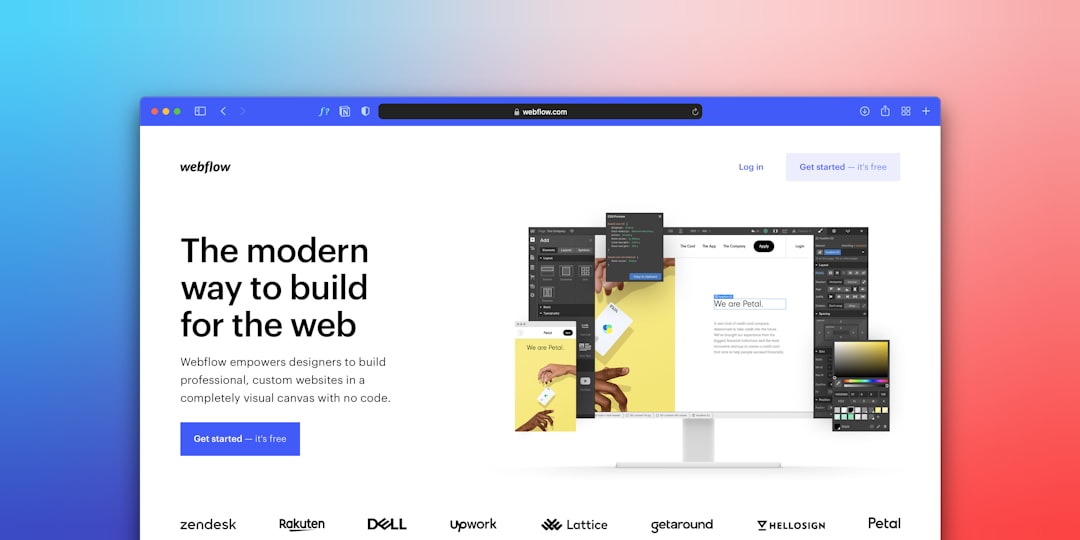
When employers mention “Wix preferred,” they typically seek candidates familiar with site customization, template management, SEO settings, app integrations, and digital content updates within the Wix ecosystem.
Why Would an Organization State “GitHub/Wix Preference”?
The phrasing can appear in multiple contexts. It may signify:
- Technical alignment: The organization already uses GitHub or Wix internally.
- Operational efficiency: Hiring someone experienced reduces onboarding time.
- Process compatibility: Preferred tools define the team’s workflow.
- Strategic infrastructure: The business may be built around one of these platforms.
The exact meaning depends heavily on context. For example, in a startup software company, GitHub preference may signal serious technical collaboration standards. In a digital marketing agency, Wix preference could highlight platform-specific service offerings.
Key Differences Between GitHub and Wix
Although both platforms relate to web presence and development, they serve fundamentally different purposes. Below is a structured comparison:
| Category | GitHub | Wix |
|---|---|---|
| Primary Purpose | Version control and collaborative coding | Website building and hosting |
| Target Users | Developers, engineers, DevOps teams | Business owners, marketers, designers |
| Technical Skill Required | Moderate to high | Low to moderate |
| Collaboration Model | Code-based pull requests and reviews | Site editing and content management |
| Customization Level | Highly customizable via code | Template-based with optional advanced tools |
| Hosting | Code hosting (static sites optional) | Full website hosting included |
This distinction clarifies why “GitHub/Wix preference” can signal very different expectations depending on the role.
What It Means in a Hiring Context
In recruitment, platform preference statements act as soft filters. They signal that while not mandatory, familiarity with specific systems is advantageous.
1. GitHub Preference in Hiring
This generally indicates:
- Comfort with Git workflows
- Understanding of branching strategies
- Ability to manage repositories
- Experience with issue tracking
- Familiarity with CI/CD pipelines
Employers may associate GitHub proficiency with structured development discipline and collaborative software lifecycle management.
2. Wix Preference in Hiring
This often suggests:
- Experience customizing Wix templates
- Knowledge of Wix SEO tools
- Understanding Wix app integrations
- Ability to manage client websites
- Experience troubleshooting Wix-specific issues
For marketing agencies or small businesses, immediate productivity within Wix can be more valuable than general web development skills.
Combined “GitHub/Wix” Preference: What Does That Suggest?
In some cases, the preference lists both platforms together. This may indicate:
- The organization manages both coded projects and Wix-based sites.
- They operate hybrid systems (custom backend + Wix frontend).
- They want flexible professionals who can operate across technical ranges.
- The role may evolve between development and content management tasks.
This dual reference can suggest a company transitioning from Wix to custom development hosted on GitHub—or the reverse.

Strategic Implications for Businesses
From a business infrastructure perspective, stating a GitHub or Wix preference often reflects a broader strategic choice.
GitHub-Based Strategy
Organizations favoring GitHub typically prioritize:
- Scalable architecture
- Custom software development
- DevOps workflow automation
- Long-term engineering flexibility
This approach supports product development, SaaS offerings, and highly customized technical solutions.
Wix-Based Strategy
Businesses favoring Wix usually focus on:
- Rapid website deployment
- Cost efficiency
- Ease of maintenance
- Minimal technical overhead
This makes sense for content-heavy businesses that do not require complex backend systems.
Interpreting the Preference Correctly
It is important not to misinterpret the phrase. A “preference” does not typically mean a strict requirement. Hiring managers often phrase requirements as preferences to:
- Avoid discouraging otherwise strong candidates
- Maintain a larger application pool
- Signal internal tool usage without imposing hard conditions
- Allow training flexibility
However, practical advantage still exists. Candidates experienced in the preferred platform may receive stronger consideration because they reduce friction during onboarding.
How Candidates Should Respond
If you encounter “GitHub/Wix preference” in a job application, consider the following approaches:
- If experienced: Highlight specific projects using that platform.
- If partially experienced: Mention transferable skills and familiarity.
- If inexperienced: Emphasize adaptability and quick learning capability.
Providing links to GitHub repositories or live Wix sites can significantly strengthen credibility.
How Businesses Should Phrase It
Organizations should be precise when using preference language. Instead of vague statements, more clarity can help:
- “Experience managing repositories on GitHub preferred.”
- “Experience building and maintaining Wix websites preferred.”
- “Familiarity with version control workflows (GitHub) and/or Wix CMS preferred.”
Clear wording reduces misalignment and ensures applicants understand the technical environment.
Common Misconceptions
There are several misunderstandings about the phrase:
- Myth: GitHub and Wix are competing tools.
Reality: They serve different purposes and often coexist. - Myth: Wix experience is irrelevant in technical roles.
Reality: For certain digital marketing or content-focused roles, it is highly relevant. - Myth: GitHub only matters to engineers.
Reality: Product managers, technical writers, and designers also use GitHub in collaborative workflows.
Final Perspective
“GitHub/Wix preference” should not be dismissed as a minor bullet point. It reflects an organization’s operational backbone and technical culture. GitHub preference often suggests structured, collaborative software engineering standards, while Wix preference indicates streamlined website management within a hosted ecosystem.
For job seekers, recognizing this distinction allows better preparation and positioning. For employers, it communicates expectations about workflow alignment and infrastructure compatibility. Ultimately, the phrase is not merely about tools—it is about how work is organized, delivered, and maintained within a digital environment.
Understanding that nuance turns a simple “preference” into valuable strategic insight.