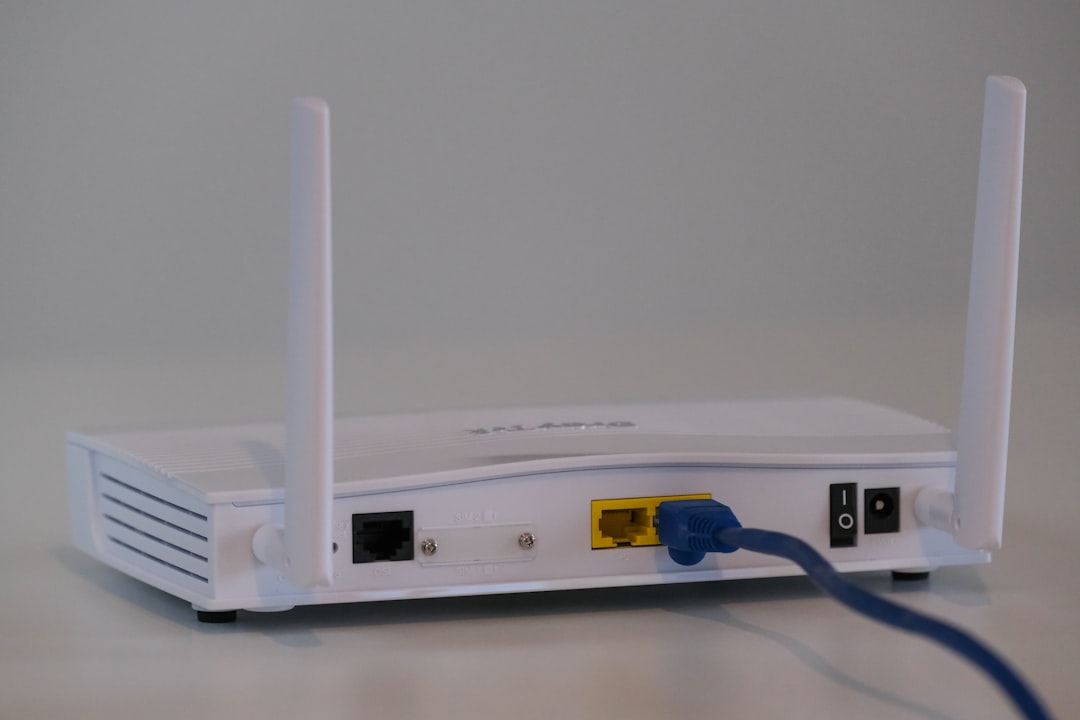
The internet feels direct. You type a website name. You hit enter. The page loads. Simple, right? Well, not exactly. Behind the scenes, there are many middlemen moving your data around. One of the most important middlemen is called a proxy. Think of it as a helpful assistant that stands between you and the internet.
TLDR: A proxy is a middleman between you and the internet. It hides your IP address and can improve privacy, security, and speed. There are many types of proxies, including residential, datacenter, mobile, and rotating proxies. Each type has a different use, from web scraping to secure browsing and managing social media accounts.
In this guide, we will explore what proxies are, the different types, and how people use them. We will keep it simple. No tech headache. Let’s dive in.
What Is a Proxy?
A proxy server is a computer that sits between you and the website you want to visit.
Normally, when you visit a website:
- Your device sends a request.
- The website sees your IP address.
- The website sends data back to you.
With a proxy:
- Your device sends the request to the proxy.
- The proxy sends the request to the website.
- The website sees the proxy’s IP address, not yours.
- The proxy sends the data back to you.
It’s like asking a friend to buy something for you. The store sees your friend. Not you.
This small change makes a big difference. It adds privacy. It can bypass blocks. It helps businesses automate tasks.
Why Do People Use Proxies?
Proxies are not just for hackers in movies. They have many legal and useful purposes.
Here are common reasons:
- Privacy: Hide your real IP address.
- Security: Add an extra protection layer.
- Web scraping: Collect public data at scale.
- Access control: Block or allow certain websites.
- Ad verification: Check how ads appear in different countries.
- Social media management: Handle multiple accounts safely.
- Bypass geo-restrictions: View region-locked content.
Now let’s explore the different types of proxies.
1. Datacenter Proxies
Datacenter proxies come from data centers. Not from Internet Service Providers (ISPs).
They are:
- Fast
- Affordable
- Easy to get in bulk
But they are easier to detect.
Best Uses:
- Web scraping small to medium websites
- Price monitoring
- SEO tracking
- Market research
They are like rental cars. Cheap and efficient. But everyone knows it’s a rental.
2. Residential Proxies
Residential proxies use real IP addresses from real devices. These IPs come from actual home users.
This makes them look natural and trustworthy.
Websites think the traffic is coming from a normal person.
Benefits:
- Harder to detect
- Lower chance of being blocked
- More reliable for sensitive tasks
Best Uses:
- Large-scale web scraping
- Ad verification
- Sneaker buying
- Accessing geo-specific content
They cost more than datacenter proxies. But they blend in better. Like wearing camouflage in the forest.
3. Mobile Proxies
Mobile proxies use IP addresses from mobile devices connected to cellular networks.
These are some of the most trusted IPs on the internet.
Why? Because many users share the same mobile IP. This makes blocking risky for websites.
Best Uses:
- Social media automation
- App testing
- Account management
- Affiliate marketing
They are powerful. But expensive.
Think of them as VIP passes. High trust. High value.
4. Rotating Proxies
Rotating proxies change the IP address automatically.
This can happen:
- Every request
- Every few minutes
- On demand
This reduces the chance of getting blocked.
Best Uses:
- Mass web scraping
- Data mining
- Search engine crawling
Instead of knocking on a door 1,000 times with the same face, you show up with 1,000 different faces.
5. Dedicated vs Shared Proxies
This is about who uses the proxy.
Dedicated Proxies
- Only you use them
- Better performance
- More stable
- More expensive
Shared Proxies
- Multiple users share them
- Cheaper
- Can be slower
If proxies were apartments:
- Dedicated = your own house.
- Shared = shared living space.
6. Public vs Private Proxies
Public Proxies
- Free to use
- Often slow
- Less secure
- High risk
Free sounds good. But free often means crowded and unsafe.
Private Proxies
- Paid
- More secure
- More reliable
For business use, private proxies are the smarter choice.
Quick Comparison Chart
| Proxy Type | Speed | Cost | Hard to Detect | Best For |
|---|---|---|---|---|
| Datacenter | Very Fast | Low | Medium | SEO, price tracking |
| Residential | Medium | High | High | Scraping, ad verification |
| Mobile | Medium | Very High | Very High | Social media, app testing |
| Rotating | Depends | Medium to High | High | Large scale scraping |
| Public | Slow | Free | Low | Casual browsing |
Forward vs Reverse Proxies
There’s one more distinction worth knowing.
Forward Proxy
This is the common type we discussed. It sits between users and the internet.
You use it to browse anonymously.
Reverse Proxy
This sits between users and a website’s server.
Website owners use reverse proxies to:
- Improve performance
- Balance traffic
- Add security
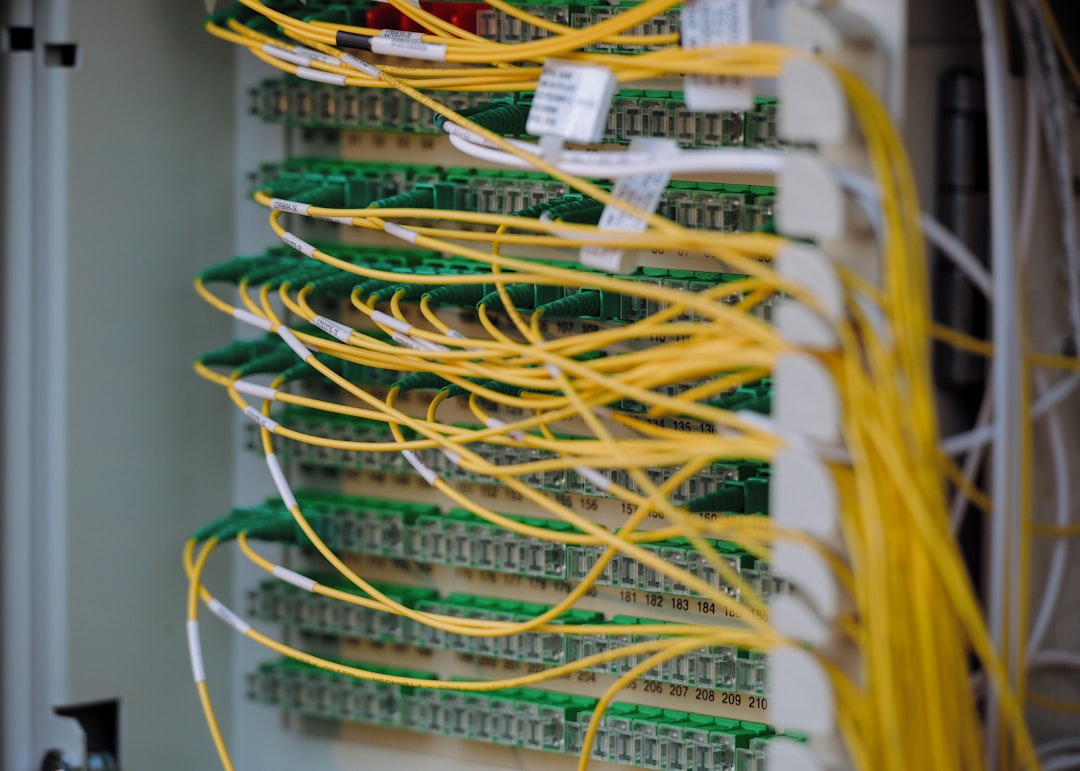
Big websites like eCommerce platforms rely heavily on reverse proxies.
Are Proxies Legal?
Yes. Proxies are legal in most countries.
But how you use them matters.
Legal uses include:
- Data research
- Brand protection
- Cybersecurity
- Privacy protection
Illegal activities remain illegal. Even behind a proxy.
How to Choose the Right Proxy
Ask yourself a few questions:
- Do I need speed or stealth?
- What is my budget?
- How sensitive is the task?
- Do I need one IP or many?
Simple guide:
- Small project? → Datacenter proxy.
- Serious scraping? → Residential proxy.
- Managing social accounts? → Mobile proxy.
- Huge automation? → Rotating proxies.
Choose based on your goal. Not just price.
Final Thoughts
Proxies are like digital disguises. Some are cheap masks. Some are Hollywood-level costumes.
They help protect privacy. They power businesses. They gather data. They keep companies competitive.
Understanding proxy types gives you control. It helps you avoid blocks. It keeps your operations smooth.
Now when someone says “residential rotating mobile proxy,” you won’t panic. You’ll smile. Because you know exactly what it means.
The internet has many doors. Proxies simply help you choose which door to walk through.