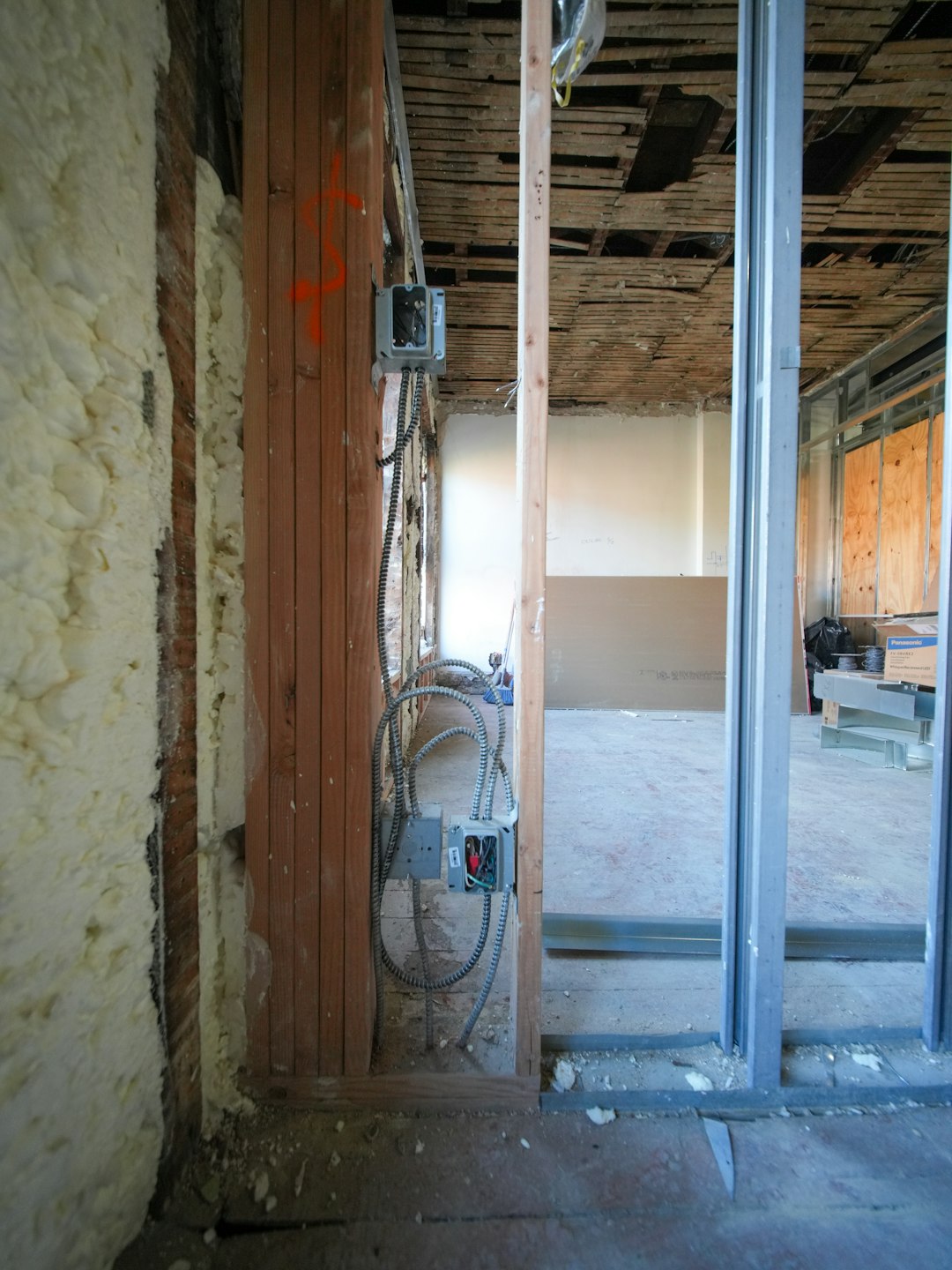
Asbestlint is a lesser-known but highly dangerous byproduct of asbestos-containing materials, often found as fine fibers or dust released into the air during wear, damage, or renovation. Despite asbestos being regulated or banned in many regions, asbestlint can still linger in older homes and buildings, posing long-term risks to both health and property. Understanding how asbestlint forms, where it hides, and why it is dangerous is essential for homeowners, tenants, and building professionals alike.
TLDR: Asbestlint consists of tiny asbestos fibers released into the air from aging or disturbed materials. Inhalation of these fibers can cause severe, often fatal diseases years after exposure. Older homes are especially at risk, and even small disturbances can release harmful fibers. Professional identification and removal are critical to protecting both health and property.
What Asbestlint Is and How It Forms
Asbestlint refers to loose, airborne asbestos fibers that separate from asbestos-containing materials over time. These fibers may come from insulation, floor tiles, ceiling materials, pipe wraps, or fireproofing products used extensively throughout the 20th century. When these materials age, deteriorate, or are disturbed, they release nearly invisible fibers that can remain suspended in the air for long periods.
The danger of asbestlint lies in its microscopic size. Unlike ordinary household dust, asbestos fibers are sharp and durable. Once released, they can settle into soft furnishings, HVAC systems, wall cavities, and carpets, creating an ongoing source of exposure even long after the original disturbance.
Why Asbestlint Is So Dangerous to Human Health
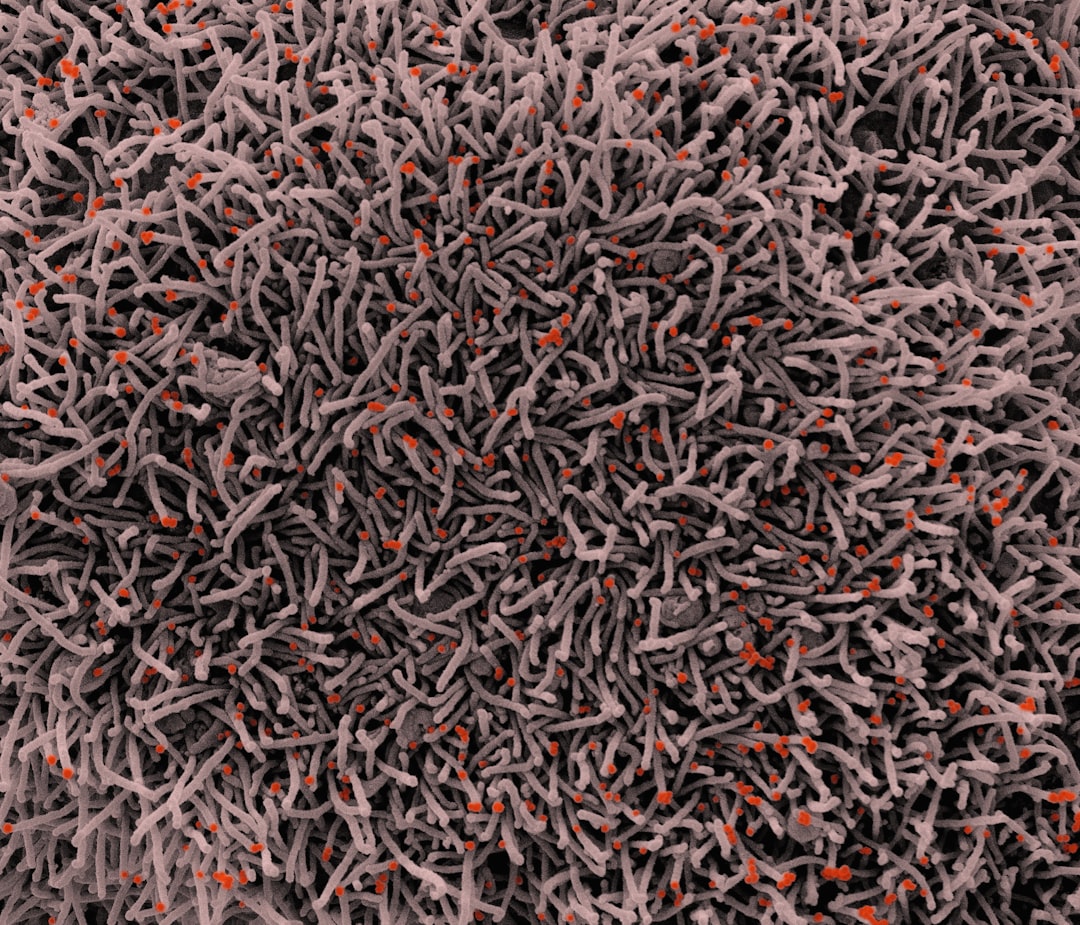
The primary health risk from asbestlint comes from inhalation. When breathed in, asbestos fibers bypass the body’s natural defenses and lodge deep in the lungs. The body cannot easily break down or remove these fibers, leading to chronic inflammation and cellular damage over time.
Exposure to asbestlint has been scientifically linked to several serious diseases:
- Mesothelioma: A rare but aggressive cancer that affects the lining of the lungs, abdomen, or heart.
- Asbestosis: A chronic lung condition marked by scarring, breathlessness, and reduced lung function.
- Lung Cancer: Risk increases significantly for individuals with prolonged exposure, especially smokers.
One of the most alarming aspects of asbestlint exposure is latency. Symptoms often do not appear for 20 to 50 years after initial exposure, making early detection difficult and reinforcing the danger of even short-term contact.
Common Household Sources of Asbestlint
Many homeowners are unaware that their properties may still contain asbestos-based materials. Asbestlint is particularly common in buildings constructed before the 1980s. Common sources include:
- Attic and wall insulation
- Vinyl floor tiles and adhesives
- Popcorn ceilings and textured paints
- Boiler and pipe insulation
- Roofing shingles and siding
As long as these materials remain intact and undisturbed, they may not pose an immediate threat. Problems arise when renovations, drilling, sanding, or demolition release fibers into the air.
How Asbestlint Spreads Indoors
Once released, asbestlint spreads easily throughout a home. Air currents from heating and cooling systems can carry fibers from one room to another. Foot traffic can re-suspend settled fibers, and vacuum cleaners without specialized filters may worsen contamination rather than remove it.
Because asbestos fibers do not have an odor and are not visible to the naked eye, occupants may be exposed for long periods without any awareness. This silent spread is one of the most dangerous characteristics of asbestlint, turning everyday living spaces into potential health hazards.
Risks During Home Renovation and Repairs
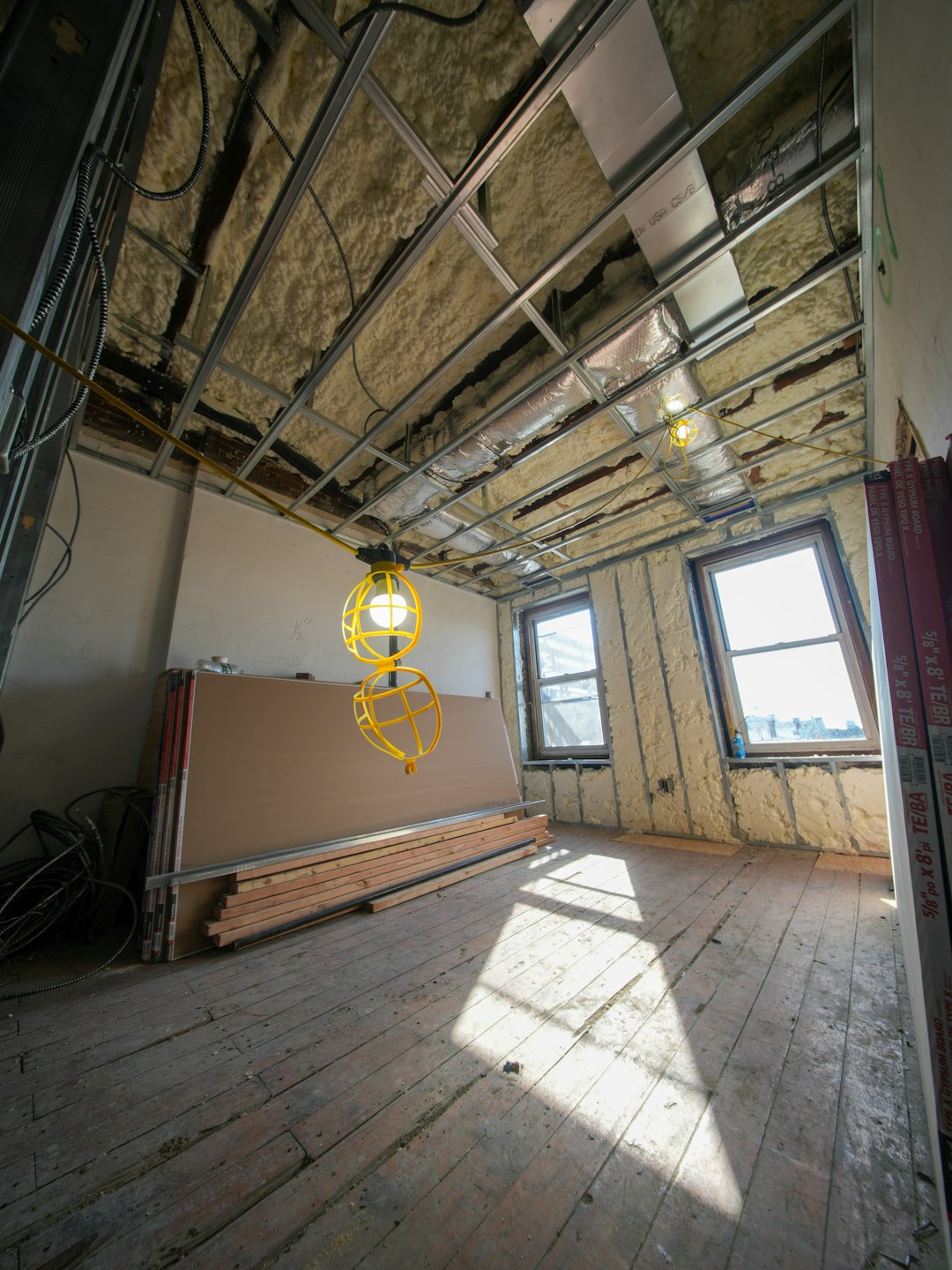
Renovation is one of the most common triggers for asbestlint release. Activities such as removing old flooring, cutting into walls, or replacing insulation can disturb asbestos-containing materials. DIY projects are especially risky because homeowners often lack protective equipment and proper containment methods.
Even minor repairs, such as drilling a single hole or scraping old adhesive, can release thousands of fibers. Professional contractors trained in asbestos handling follow strict safety protocols, including containment barriers, negative air pressure systems, and specialized disposal procedures.

Long-Term Impact on Property Value
Beyond health concerns, asbestlint can significantly affect property value. Homes known or suspected to contain asbestos contamination may be harder to sell and often require disclosure during real estate transactions. Buyers may demand inspections, remediation, or price reductions to account for removal costs.
In severe cases, widespread asbestlint contamination can render a property temporarily uninhabitable. Professional abatement can be costly, but ignoring the issue often leads to far greater financial and legal consequences over time.
Detection and Testing for Asbestlint
Identifying asbestlint requires professional testing. Air sampling and material analysis conducted by certified inspectors are the only reliable ways to confirm its presence. Attempting to collect samples without training is dangerous and can worsen exposure.
Home test kits may seem convenient, but they often lack accuracy and can lead to false reassurance or unnecessary panic. Certified laboratories and licensed professionals provide results that homeowners can trust.
Prevention and Safe Management
Preventing exposure to asbestlint starts with awareness. Property owners should know the age of their building and the materials used in its construction. If asbestos-containing materials are present and in good condition, management rather than removal may be recommended.
Safe management strategies include:
- Sealing or encapsulating asbestos materials
- Restricting access to affected areas
- Regular inspections for signs of deterioration
- Using licensed professionals for any work
When removal is necessary, professional abatement ensures that fibers are safely contained and disposed of according to regulations.
Why Awareness Still Matters Today
Although asbestos use has declined sharply, the legacy of past construction practices remains. Asbestlint continues to pose a hidden threat in homes, schools, and workplaces worldwide. Public awareness, education, and compliance with safety guidelines are essential to reducing future cases of asbestos-related disease.
The danger is not limited to industrial workers of the past. Modern homeowners, renters, and tradespeople can all face exposure if proper precautions are not taken. Understanding asbestlint is a critical step toward safer living environments.
Frequently Asked Questions
- Is asbestlint the same as asbestos?
Asbestlint refers specifically to loose, airborne fibers released from asbestos-containing materials, making it a form of asbestos exposure. - Can a home be safely lived in if asbestos is present?
Yes, if the materials are intact and properly managed, but any damage or disturbance increases risk. - Can regular cleaning remove asbestlint?
No, standard cleaning methods can spread fibers. Specialized equipment and procedures are required. - How long do asbestos fibers remain in the air?
They can remain airborne for hours and settled fibers can be re-suspended repeatedly. - Should asbestos always be removed?
Not always. In some cases, containment or encapsulation is safer than removal.