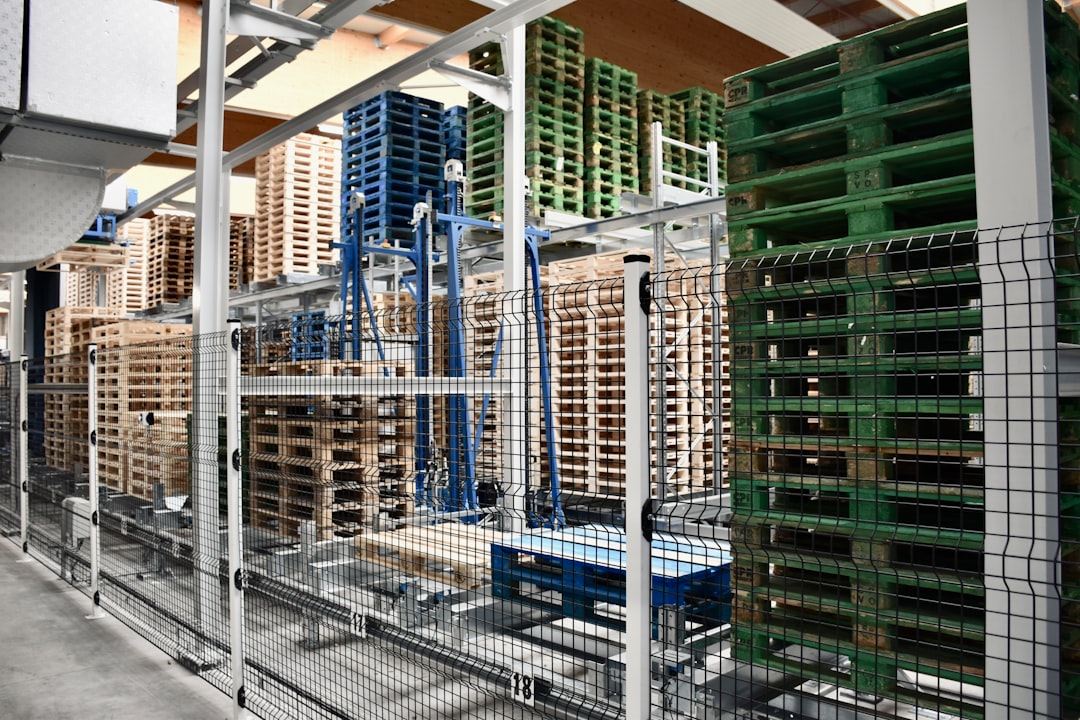
In 2026, the manufacturing landscape continues to evolve at a rapid pace, with digital tools and platforms playing a critical role in streamlining operations, enhancing productivity, and improving decision-making processes for small and medium-sized businesses (SMBs). While large enterprises have long enjoyed the benefits of high-end automation and robust ERP systems, recent trends have brought a wide range of affordable, powerful, and cloud-based manufacturing software tools to SMBs — leveling the playing field in exciting new ways.
TLDR: Most Effective Manufacturing Software Tools For SMBs in 2026
The best manufacturing software tools for 2026 focus on affordability, scalability, and ease of integration for small and medium businesses. Solutions like Katana, NetSuite, and Odoo offer user-friendly interfaces with advanced forecasting and inventory features. Cloud-based platforms are in high demand, emphasizing real-time data and mobile accessibility. AI-driven analytics, predictive maintenance, and supply chain optimization are transforming how SMBs operate in the manufacturing sector.
Why Manufacturing SMBs Need the Right Tools Now More Than Ever
Amid increasing supply chain complexities, labor shortages, and rising operational costs, SMBs in the manufacturing industry need precise, adaptable, and integrated software tools to keep ahead of the curve. By leveraging the right digital solutions, manufacturers can:
- Improve production efficiency by automating routine tasks
- Enhance inventory management with real-time visibility
- Minimize waste and downtime through predictive maintenance
- Enable better demand forecasting through data-driven insights
- Ensure compliance with ever-changing regulatory standards
Top Manufacturing Software Tools for SMBs in 2026
1. Katana MRP
Best for: Real-time inventory and production tracking
Katana is a rising star among manufacturing resource planning (MRP) systems, offering a highly intuitive, cloud-based platform designed specifically for SMBs. Its lean user interface and modular architecture allow smaller manufacturers to use only what they need, avoiding the over-complexity of traditional ERP systems.
- Live inventory tracking across multiple locations
- Shop floor control with visual production management
- Direct integrations with e-commerce platforms like Shopify and WooCommerce
Katana’s drag-and-drop scheduler and seamless integrations make it easy for teams to start using without a long implementation period.

2. Odoo Manufacturing
Best for: Open-source flexibility and modularity
Odoo has continued to build on its reputation in 2026, empowering manufacturers with a fully open-source ERP ecosystem. Its Manufacturing module allows growing businesses to manage BoMs (Bills of Materials), production orders, and routing tasks with ease.
- Fully modular system with over 30 business apps
- Support for quality checks, maintenance, and work orders
- Easy scalability for complex operations
For SMBs that want highly customizable solutions without breaking the bank, Odoo offers excellent long-term value.
3. NetSuite for Manufacturing
Best for: SMBs approaching enterprise scale
Oracle’s NetSuite ERP has become more accessible to SMBs with tiered pricing and implementation options tailored for smaller operations. By 2026, NetSuite remains one of the most durable and integrative systems available for manufacturers dealing with more complex operations.
- Advanced financial management and planning tools
- Multi-plant and global supply chain capabilities
- Robust BOM management and costing analysis
NetSuite’s strong reporting features and AI integrations make it a great choice for SMBs preparing for substantial growth.
4. Fishbowl Manufacturing
Best for: QuickBooks integration and SMB affordability
Fishbowl continues its reign in the QuickBooks ecosystem. It’s widely recognized for providing manufacturing and inventory control capabilities that QuickBooks lacks, all without over-complicating the user experience.
- Warehouse management with barcode scanning
- Auto parts and assembly tracking
- Work order creation and job costing
If you’re sticking with QuickBooks but need to go deeper with your manufacturing needs, Fishbowl is still among the top choices in 2026.
5. Fulcrum
Best for: High-mix, low-volume manufacturers
Built with modern manufacturers in mind, Fulcrum is a cloud-native software that shines in environments where job-based workflows dominate daily production. It offers real-time data dashboards, smart job costing, and a clean UI.
- Visual scheduling tools with drag-and-drop functionality
- Live production traceability and workflow status
- Machine learning-driven forecasting features
With AI-informed insights baked into the core, Fulcrum helps decision-makers stay two steps ahead, even in complex, mixed-product environments.
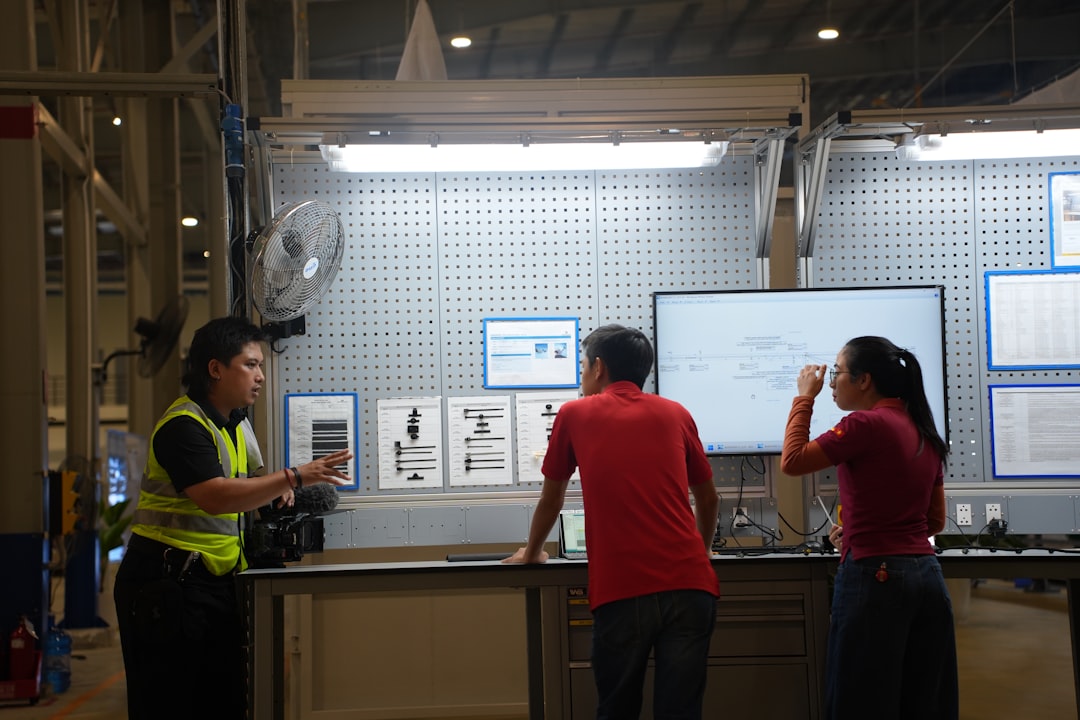
Emerging Trends in Manufacturing Software for 2026
The year 2026 brings several digital trends that directly impact how SMBs in manufacturing select and use their software tools:
- Cloud-First Deployment: Over 80% of new manufacturing platforms are now cloud-based, allowing for easier updates, remote work, and faster integration with APIs.
- AI & Predictive Analytics: Tools that forecast inventory demands, machine maintenance needs, or shipping logistics are in high demand.
- IoT Integration: Software that communicates with IoT-enabled machinery provides real-time alerts and precise data tracking for reduced downtime.
- Subscription and Modular Pricing: Many providers now offer ala carte plans so SMBs can scale software costs as needed.
What to Look For When Choosing a Manufacturing Software Tool
Evaluating the right solution for your business should include both operational and financial considerations. Here’s what savvy SMBs should keep in mind:
- Ease of Use: SMBs rarely have dedicated IT departments. The tool must be user-friendly and have excellent customer support.
- Modularity: Can the feature set grow as your company scales? Flexibility is key.
- Integration: Seamless interface with accounting, CRM, HR, and sales tools is critical.
- Data Security: Especially when choosing a cloud-based solution, ensure the software meets compliance and cybersecurity standards.
- Return on Investment: Make sure there’s a clear path to boosting production efficiency and reducing costs.
The Bottom Line: Smart Software = Scalable Growth
Adopting the right manufacturing software tools can significantly differentiate competitively growing SMBs from those stuck in outdated, manual processes. Not only do these tools enable better production oversight, but they also put actionable data into the hands of managers, floor supervisors, and C-suite leaders alike.
Whether you’re just starting your smart manufacturing journey or looking to upgrade an existing system, the software options available in 2026 are more powerful, agile, and accessible than ever before. From Katana’s lean setup to NetSuite’s scalability, there’s a solution for every budget and business model.
Simplify operations. Boost productivity. Future-proof your manufacturing business — one smart tool at a time.