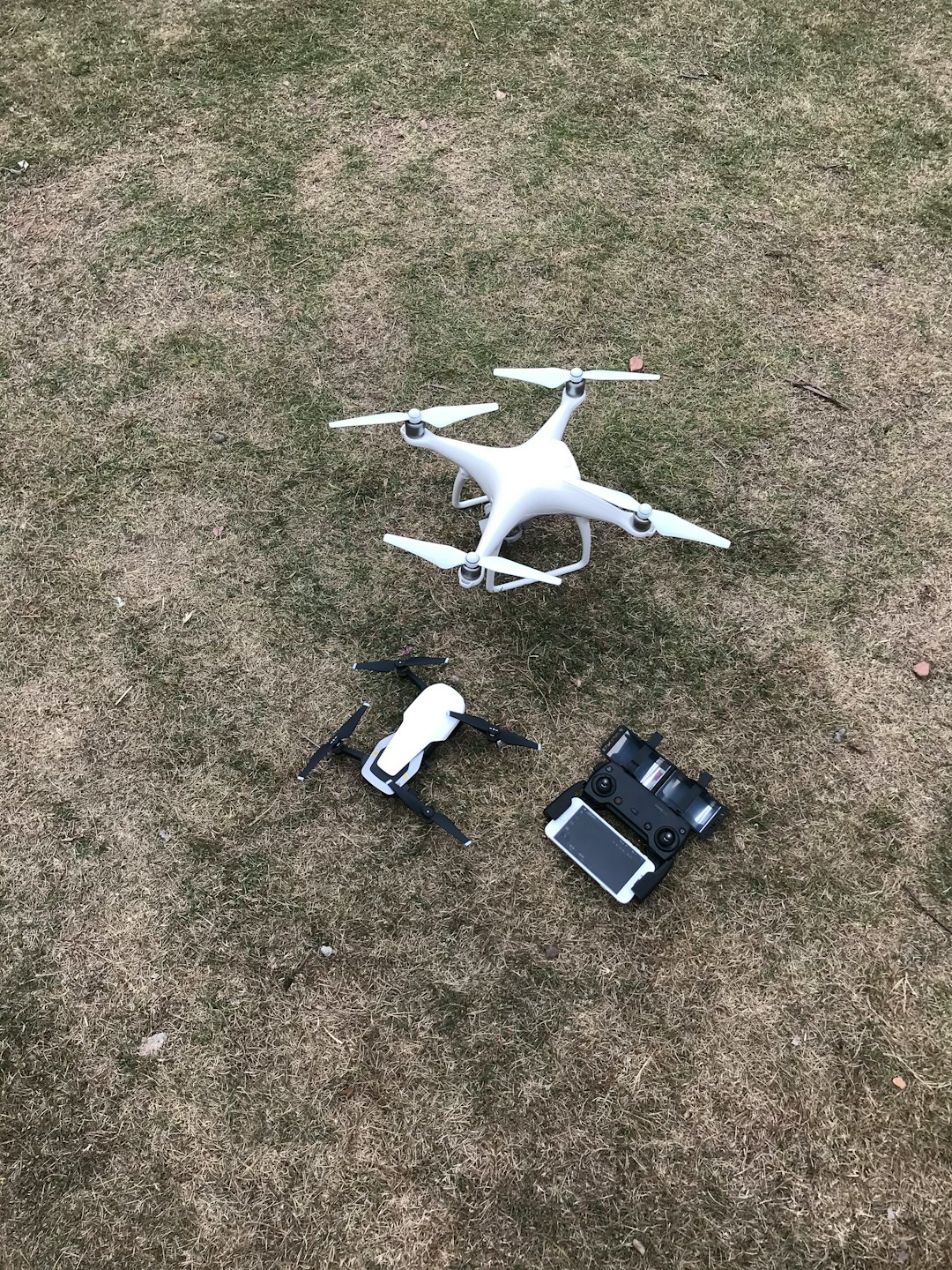
Mastering drone performance is no longer just about hardware optimization. As drones grow more complex and intelligent, advanced software platforms like MWOS (Modular Wireless Operating System) have become essential for customizing and fine-tuning every aspect of drone operations. For professionals and enthusiasts alike, leveraging the full potential of MWOS apps can significantly enhance flight control, stability, and overall mission effectiveness.
TLDR (Too Long, Didn’t Read)
MWOS apps offer granular control over drone systems, enabling operators to fine-tune telemetry, navigation, and power usage through an intuitive and modular interface. When used strategically, MWOS can greatly optimize flight performance, enhance safety, and reduce energy consumption. This article explores advanced techniques for using MWOS apps to refine drone performance. It is essential reading for UAV operators aiming to push the envelope of reliability and control.
Understanding the MWOS Ecosystem
MWOS is a flexible, modular firmware and app environment designed to run on onboard flight controllers. Unlike more rigid systems, MWOS prioritizes configurability and custom module development. Drones running MWOS can dynamically load, unload, or update system components without hard overhauls—making real-time flight optimization possible.
MWOS apps are individual modules installed into the operating system to manage specific drone functions. These include:
- Navigation Assistance – GPS, IMU, and barometric control modules.
- Sensor Data Acquisition – Real-time telemetry and signal processing apps.
- Motor Management – Fine-tuning propulsion and ESC response modules.
- Communication Protocols – Managing RC commands and ground station interfaces.
1. Calibrating Sensor Fusion for Better Stability
Sensor fusion is foundational to high-performance drone operations. MWOS apps allow you to calibrate and synchronize data streams from the IMU (Inertial Measurement Unit), GPS, and barometric sensors in real time.
Advanced Tip: Using the FusionManager app in MWOS, operators can apply weighted real-time filtering algorithms (e.g., Kalman or complementary filters) that prioritize certain sensors during different phases of flight (e.g., take-off vs. cruising).
This ensures that a GPS dropout, for instance, doesn’t immediately destabilize navigation. Moreover, the FusionManager app can be configured to log historical stability metrics, helping you trend and troubleshoot long-term performance issues.

2. Dynamic Power Scaling via Telemetry Feedback
Drones that constantly operate at full motor power are prone to overheating and reduced efficiency. The PowerControl app within MWOS introduces dynamic voltage and current scaling based on telemetry inputs.
Here’s how to set it up:
- Use a real-time telemetry app (e.g., TeleStatX) to monitor amp draw and voltages from ESC units.
- Define safe operating thresholds in PowerControl’s script interface.
- Create condition-based triggers that scale motor output when descending or during loiter/hover periods.
This ensures a 10–15% gain in battery efficiency without compromising maneuverability.
3. Using Custom PID Profiles for Multi-Environmental Flights
Most commercial drones use a single set of PID (Proportional, Integral, Derivative) values. However, MWOS supports the use of multiple PID profiles through the FlexPID app, which allows operators to define custom profiles based on altitude, humidity, or payload.
Pro tip: Map a switch on your RC transmitter to toggle between different PID profiles, instantly adapting drone behavior for windy conditions, indoor flights, or heavy-load missions.
This feature is particularly useful for commercial pilots or researchers flying in drastically different operational zones within the same session.
4. Autonomous Flight Path Correction with Logic Apps
MWOS goes beyond traditional waypoint navigation by allowing users to install logical “if-then-else” behavior apps such as SmartNavLogic. These apps interact with map data, IMU responses, and even mission scripts.
Example use-case:
- If: Wind resistance is above 6 m/s
- Then: Modify climb angle by 15%, reduce forward pitch
- Else: Maintain current trajectory
This logical adaptability makes MWOS-configured drones excellent for search-and-rescue, where conditions often change spontaneously.

5. Real-Time OS-Level Diagnostics with Health Monitor
The DroneHealth and CoreTempLog apps work together to gather and display onboard health metrics through the MWOS interface or an external controller. They monitor CPU utilization, RAM reserves, module crash logs, and temperature spikes across sensors.
Analyzing these metrics enables:
- Predictive maintenance before flight controller failures.
- Analysis of mission outcomes based on internal resource usage.
- Live alerts generated during irregular thermal or electrical behavior.
This diagnostic capability is invaluable during extended surveillance or mapping missions where system downtime must be minimized.
6. Integrating Custom Scripts with GPIO Expansion
Makers and industrial operators often require physical extensions of drone capabilities. Using MWOS apps like GPIOControl, you can interface physical sensors or controllers (e.g., IR, ultrasonic, sprayers) directly by writing MWOS-native scripts.
Sample script usage:
If proximity < 2m:
   Activate relay_pin_3;
   Log event;
End;
This enables advanced automation like obstacle-triggered camera activation or automatic payload deployment, fully managed by onboard processing rather than remote cues.
7. Flight Replay & Machine Learning Feedback
Combining the FlightLogger and PatternLearn apps in MWOS provides a machine-learning-based approach to route refinement. By analyzing past GPS and IMU data, the drone can “learn” which patterns yield the best fuel economy or stability and adjust behavior automatically on subsequent missions.
The workflow generally includes:
- Logging multiple flight sessions with environmental metadata.
- Feeding that data into PatternLearn to score each maneuver type.
- Updating navigation priorities based on historical performance.
As ML modules become more sophisticated, MWOS can serve as the real-time deployment layer for adaptive control improvements.
Conclusion
MWOS apps represent the future of advanced drone operations, blending low-level hardware control with high-level intelligence. By using the ecosystem effectively—leveraging apps for sensor calibration, performance profiling, adaptive navigation, and scriptable I/O—pilots gain unmatched control over their fleet’s capabilities.
Whether you’re developing a drone for emergency response, agriculture, or aerial cinematography, mastering MWOS app configurations can give your UAV the edge in performance and resilience in complex missions. With ongoing support from a growing developer community, the potential for truly autonomous and efficient flight has never been more within reach.