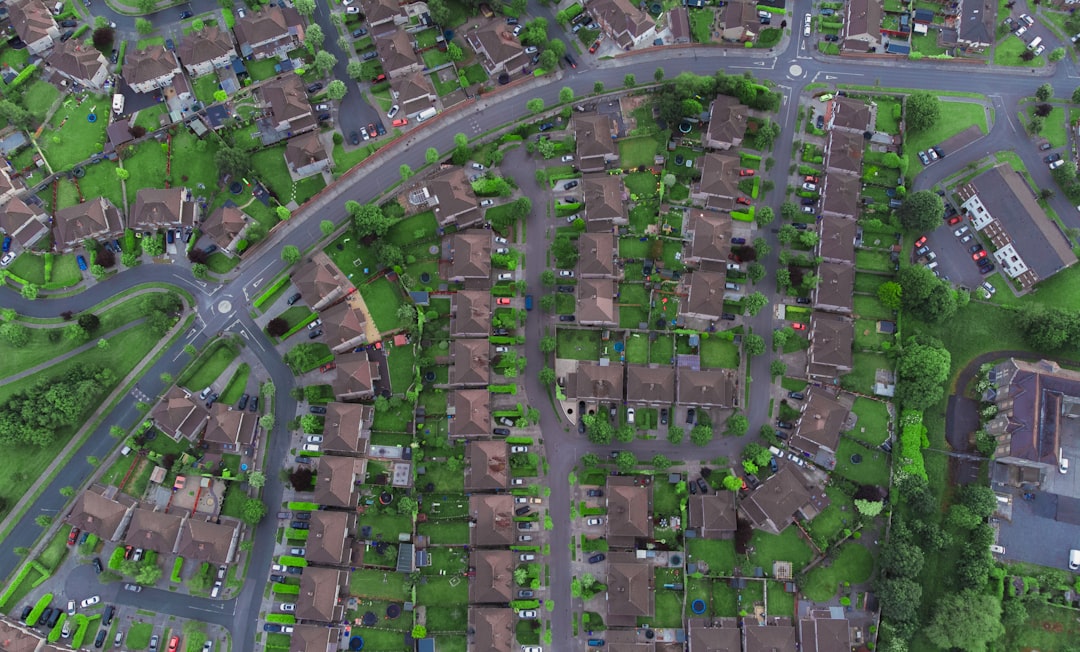
Buying a new home used to be simple. Pick a neighborhood, visit a few model homes, and you’re in! But today, things have changed. Builders and real estate pros are diving deep into data. They use it to predict what buyers want, where they want it, and how much they’ll pay. This shift is transforming how new homes are sold—from guesswork to science.
TLDR
Data is helping homebuilders sell smarter. They use numbers to see where people want to live, how much they’ll spend, and what features they crave. This means homes are being built in the right places, faster, and with things buyers actually want. The result? Fewer empty lots and happier buyers.
Why Data Is the New Secret Weapon
Data isn’t just for tech geeks anymore. In real estate, it’s helping everyone from builders to marketing teams make smarter moves. Think of it like having a crystal ball—except it’s made from numbers and charts.
Here’s how it works:
- Market trends tell builders where demand is rising.
- Buyer behavior shows what features people love most—like open kitchens or home offices.
- Sales data highlights what price ranges are selling best in each area.
With this info, builders know what to build, where to price it, and even what color paint will turn heads.
The Role Data Plays in Picking a Location
In the past, companies picked new home locations based on instinct or vague surveys. Today, they use real numbers. Lots of them.
They look at things like:
- Population growth in nearby cities
- School ratings and crime stats
- Commute times to major job hubs
- Home affordability in surrounding areas
By crunching all this data, builders can spot “hidden gem” neighborhoods. These are places buyers will want before the area gets hot.

What Features Are In? Data Knows!
Every buyer wants something different. Or so it seems—until you look at the numbers. Data shows clear trends in what people actually buy.
Over the past few years, big data revealed that buyers are loving:
- Flexible spaces like dens, lofts, or hybrid rooms for work and play
- Smart home tech—think voice-activated lights and climate control
- Energy efficiency with better insulation and solar-ready roofs
- Outdoor space like patios, balconies, or pocket gardens
When builders know what buyers want, they include those features from the start. That means fewer costly remodels and happier homeowners.
Faster Builds and Less Waste
When you build houses with guesswork, mistakes happen—lots of them. You might overbuild in the wrong town or design a home no one likes. But data changes that game.
With predictive analytics, builders can forecast:
- How many homes will sell in a given year
- What floorplans will be most popular
- Which price points will attract the most buyers
This lets them plan smarter. They order just enough materials. Hire the right number of workers. And avoid bulldozing homes that sit empty for months.
Marketing That Hits the Bullseye
Want to sell houses fast? You’ve got to reach the right buyers at the right time. That’s where data-driven marketing shines.
Today’s real estate ads don’t just go out to everyone. They’re hyper-targeted based on:
- Search history (Yep, you Googled “homes near the beach,” they noticed.)
- Social media likes and follows
- Family size and job type
- Even zip codes with fast-growing incomes
This means builders can show you a perfect home before you even thought about moving. Spooky? Maybe. Smart? Absolutely.

Real-Time Adjustments
Another perk of using data? Builders can tweak their plans on the fly. Say a certain floor plan isn’t selling. They’ll see it in the sales dashboards and offer a discount or redesign.
Or maybe buyers suddenly want more home office space (thanks, remote work!). Builders notice the trend and adjust upcoming models. Data turns mistakes into chances to pivot fast.
Happy Buyers, Better Reviews
Here’s a fun side effect of data: More satisfied homeowners.
When people get homes that actually match what they need, they’re happier. That leads to more referrals and better online ratings. And in the digital age, good reviews can be worth more than billboards.
Tools Making It All Happen
You might wonder—what kind of tech powers all this data magic? A lot, actually. Here are a few:
- CRM software that tracks buyer interactions and preferences
- Geospatial mapping tools that show population shifts
- AI algorithms that predict home design trends
- Drone surveys that capture land and lot info in real time
All this tech talks to one another, building powerful insights that guide every decision. Even the snacks in the model home can be data-driven!
The Future? Even Smarter
We’re just getting started. In a few years, expect even more personalization:
- Virtual reality tours tailored to your preferences
- Chatbots that recommend homes based on how you answer questions
- Buy-now buttons on listings with instant mortgage approval
As machine learning gets better, new home sales will feel more like online shopping and less like a month-long process. Fast, easy—and still backed by smarts.
Bottom Line
Data is changing how new homes are sold, built, and marketed. It helps everyone make better choices—builders, real estate agents, and buyers like you. Instead of guessing what people want, the industry is listening to what the numbers say.
So next time you walk into a stunning model home that feels just right, there’s a good chance big data helped design it.