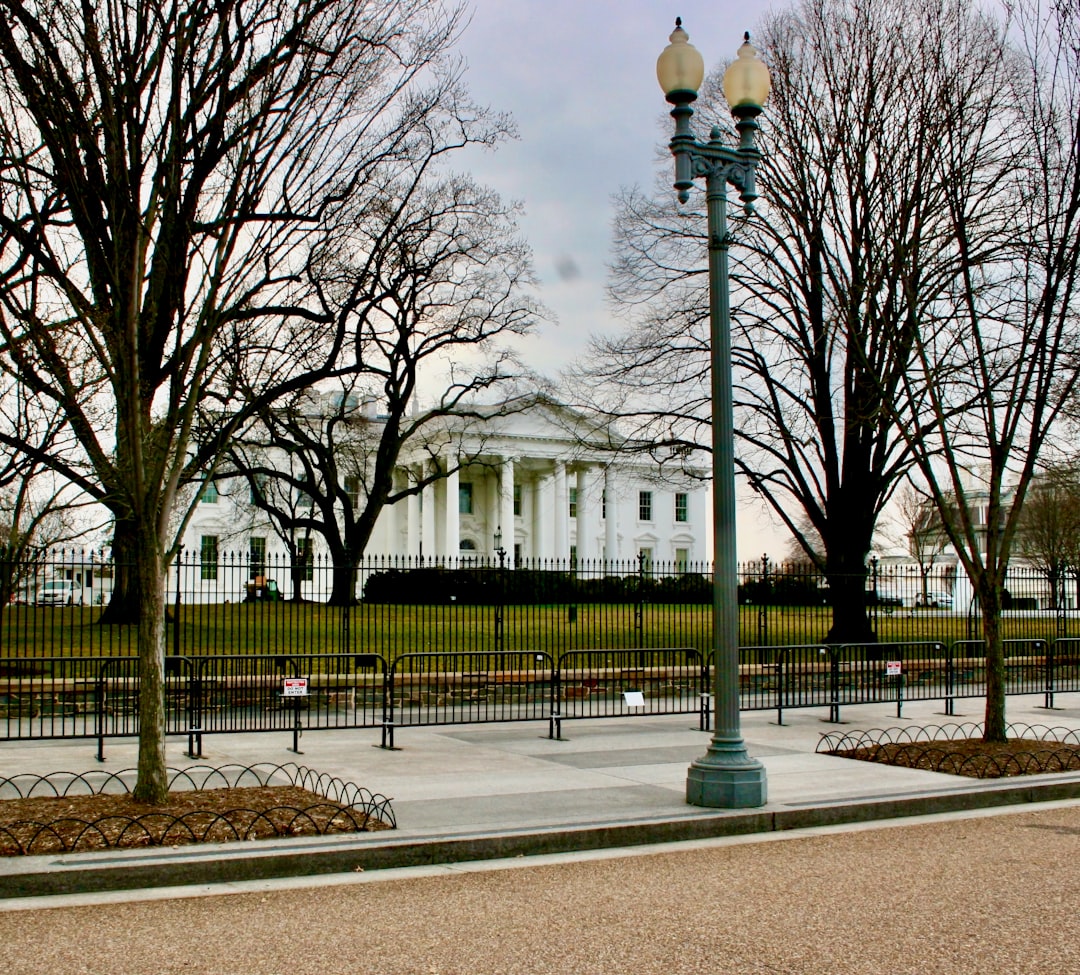
The role of the White House Chief of Staff has long been considered one of the most powerful yet least publicized positions in American politics. While the President and Vice President make public appearances and deliver speeches, the Chief of Staff operates largely behind the scenes, coordinating operations, advising the President, and often serving as the gatekeeper to the Oval Office.
TLDR (Too Long, Didn’t Read)
The current Chief of Staff is Jeff Zients, who assumed the role in February 2023 under President Joe Biden. Though not always in the public eye, the Chief of Staff is a crucial figure in managing the White House, setting agendas, and overseeing the implementation of presidential initiatives. The visibility of the Chief of Staff varies depending on administration style, but the influence never wanes. Understanding this role helps Americans better grasp how the executive branch actually functions day-to-day.
Who Is the Current Chief of Staff?
Jeff Zients is the current White House Chief of Staff, having taken up the position on February 8, 2023. A seasoned political and business strategist, Zients previously served as the White House Coronavirus Response Coordinator and managed several businesses in the private sector. His appointment followed the departure of Ron Klain, President Joe Biden’s first Chief of Staff.
Zients is known for his extensive organizational expertise and strong problem-solving skills, which made him a natural fit for the Chief of Staff role during a time when the administration was focusing on policy implementation and operational efficiency. His background in business has also positioned him as a leader keen on results and data-driven governance.
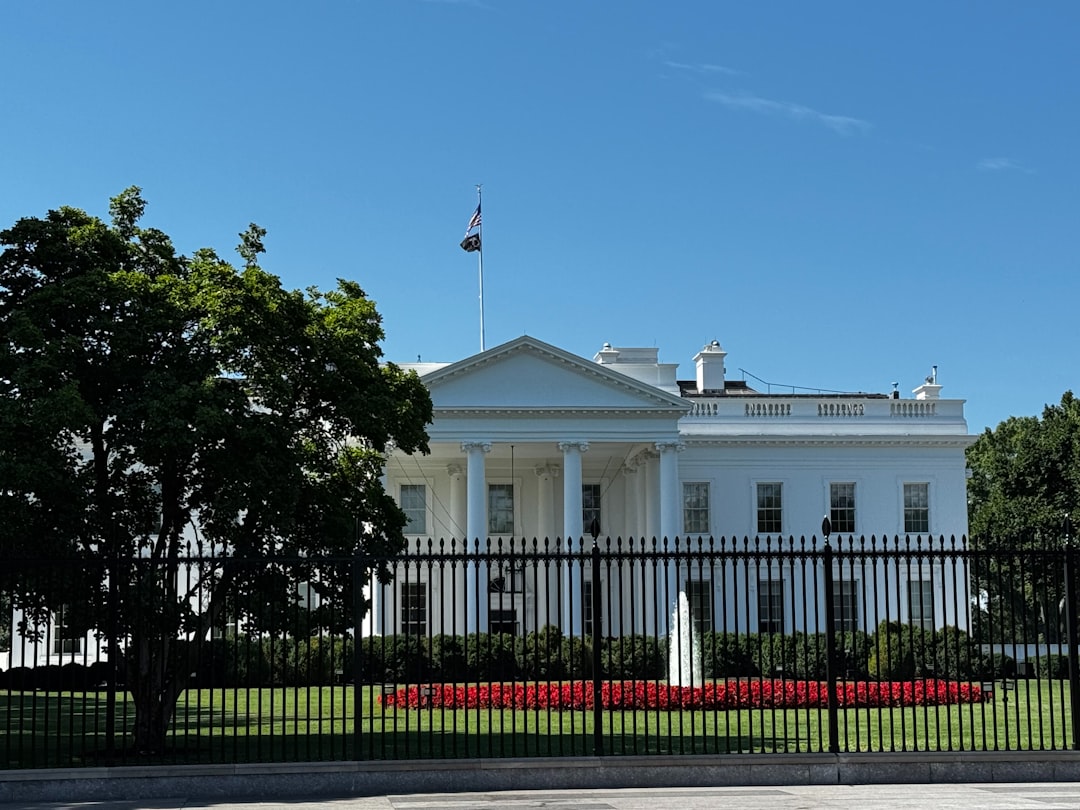
Understanding the Role of the Chief of Staff
The White House Chief of Staff may lack a household name, but the scope and influence of the position are vast. Officially, this role involves overseeing the Executive Office of the President, managing staff, and ensuring the President’s schedule and priorities are executed effectively.
The Chief of Staff is often referred to as the President’s right hand. Responsibilities include:
- Managing White House Staff: Supervising senior advisors and department heads to ensure coherence in strategy and operations.
- Controlling Access to the President: Acting as a gatekeeper, filtering who and what gets to the President to avoid overload and distraction.
- Advising the President: Providing strategic counsel on policy issues, political strategy, and crisis management.
- Liaising with Congress and Agencies: Communicating the President’s vision and policies to Congress members and federal agencies.
- Crisis Management: Coordinating government responses during emergencies and unexpected events.
The role is part managerial, part diplomatic, and thoroughly political. It requires balancing loyalty to the President with the independence needed to provide honest feedback and dissent when necessary.
A Brief History of the Position
The title “Chief of Staff” was first used officially during President Dwight D. Eisenhower’s administration. Although previous presidents had assistants playing similar roles, Eisenhower—a former general—brought organizational discipline to the White House similar to a military operation.
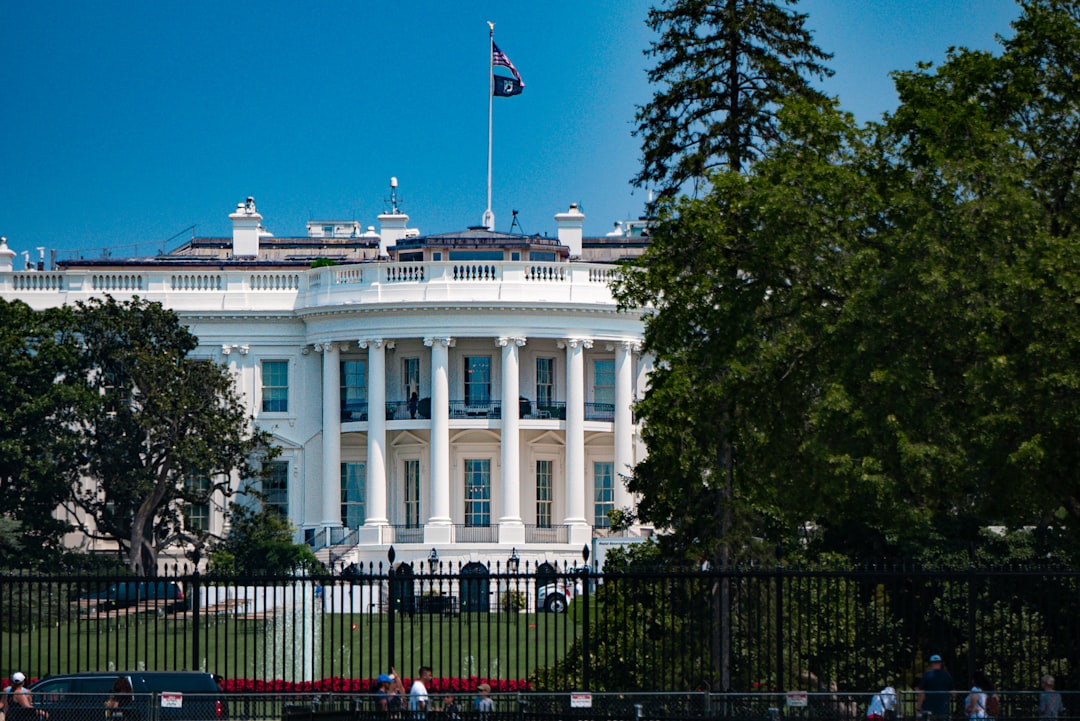
Over the decades, the position has evolved alongside the presidency. Some Chiefs of Staff have become major public figures, such as:
- James Baker (Reagan Administration) – Known for his negotiation skills and key role in foreign policy.
- Rahm Emanuel (Obama Administration) – Aggressively pushed the early legislative agenda including the Affordable Care Act.
- John Kelly (Trump Administration) – Aimed to bring order to a tumultuous White House environment.
Despite varying degrees of public exposure, all of these figures shaped the inner functioning of their respective administrations in deeply consequential ways.
Why the Chief of Staff May Not Seem Visible
Though ranked among the most powerful figures in Washington, the Chief of Staff is not a frequently public-facing role. There are several reasons for this:
- Function Over Form: The job is inherently focused on operations, not optics. Success is often measured by what doesn’t go wrong.
- Avoiding the Spotlight: Staying out of public disputes allows Chiefs of Staff to be more effective mediators and advisors.
- Strategic Discretion: The role involves managing highly sensitive issues, where publicity can undermine outcomes.
Some administrations deliberately increase or decrease the public profile of the Chief of Staff based on political strategy. For example, Rahm Emanuel had a high-profile presence to push legislation, whereas Ron Klain largely operated behind the scenes during his tenure under Biden.
Zients’ Approach to the Role
Jeff Zients brings a data-focused, results-oriented approach to his role. Rather than dominating headlines, he has prioritized:
- Implementing the Inflation Reduction Act provisions
- Boosting coordination among federal agencies
- Streamlining White House operations to support Biden’s reelection efforts
According to analysts, Zients’ style matches President Biden’s preference for a calm and steady administrative approach. His impact may not always be visible, but his fingerprints are on every major initiative coming out of the White House.
Key Traits of an Effective Chief of Staff
Given the unique pressures of the role, successful Chiefs of Staff often have a blend of skills, including:
- Political Acumen: Understanding the legislative landscape and how to subtly maneuver through it.
- Strong Organizational Skills: Scheduling, coordinating meetings, and understanding operational logistics.
- Discretion: Trusted with sensitive information and expected to maintain confidentiality.
- Problem Solving Ability: Aptitude for resolving conflicts quickly and decisively.
- Trusted Adviser: Close relationship with the President built on mutual trust and understanding.
A Chief of Staff who lacks any one of these traits risks destabilizing the executive branch’s delicate balance of authority and functionality.
Conclusion
The White House Chief of Staff is a pivotal yet often unseen force in American government. With Jeff Zients currently holding the helm, the Biden administration continues navigating complex political and policy terrain. While the general public may not see his daily influence, his decisions significantly impact governance and national direction.
Understanding the role of the Chief of Staff demystifies one of the most powerful positions in Washington—and reveals how crucial operational leadership is to the success of any administration.
Frequently Asked Questions (FAQ)
- Who is the current White House Chief of Staff?
Jeff Zients, appointed in February 2023 by President Joe Biden. - What does the White House Chief of Staff do?
The Chief of Staff manages the White House staff, controls access to the President, advises on policy, and coordinates with other branches of government. - Why don’t we hear more about the Chief of Staff?
The role is designed to be behind-the-scenes to allow for strategic discretion and effective internal operations. - Has the role always existed?
While similar positions have existed since the early presidencies, the formal title and defined role of Chief of Staff began under President Eisenhower. - Can the Chief of Staff be someone from outside politics?
Yes. Jeff Zients, for example, has a strong business background, reflecting a trend toward operational expertise over traditional political experience.