When assembling or upgrading a personal computer, few components are as crucial—and as overlooked—as the power supply unit (PSU). Among various types of PSUs available today, the fully modular PSU stands out as a premium choice for builders who prioritize performance, organization, and long-term flexibility. Understanding what a fully modular PSU is and why it matters can make a significant difference in both aesthetics and functionality of your computer build.
TLDR: Too Long, Didn’t Read
A fully modular PSU allows you to connect only the cables you need, improving airflow and making cable management easier. It’s ideal for clean, organized PC builds and provides flexibility for upgrades. Though more expensive than semi-modular or non-modular options, it offers long-term benefits for builders who value performance, aesthetics, and convenience. For most enthusiasts and professionals, the extra cost is worth the investment.
What Is a Fully Modular PSU?
A fully modular power supply unit is a type of PSU where all connecting cables are detachable. Unlike non-modular PSUs—where the cables are hardwired into the unit—or semi-modular ones—where only some cables are detachable—a fully modular PSU lets you use only the cables you need for your setup. This gives you complete control over your system’s internal layout and cable management.
Below is a quick comparison of different PSU types:
- Non-Modular: All cables are permanently attached to the PSU. Offers lower upfront cost but poor cable management options.
- Semi-Modular: Only some cables (typically PCIe and SATA) are detachable. Offers a balance between cost and flexibility.
- Fully Modular: All cables are detachable. Offers the best customization, airflow, and ease of use.
Why PSU Modularity Matters
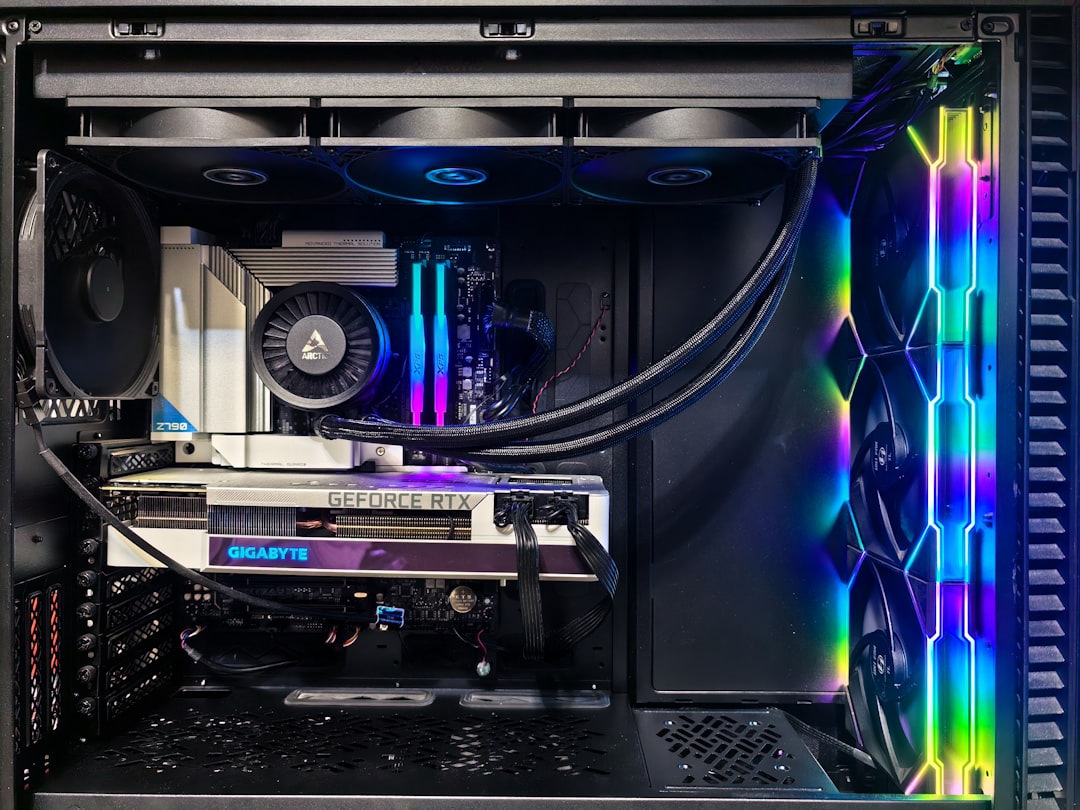
At the heart of any PC build, the PSU silently powers every component—from the CPU and GPU to SSDs and case fans. Choosing a fully modular PSU ensures cleaner assemblies and improved airflow, which can directly correlate with better cooling and longevity of your system components.
Here’s why a fully modular PSU is particularly advantageous:
- Improved Cable Management: Only connect the cables you need. This helps minimize clutter inside the case and simplifies the building process.
- Better Airflow: More open space translates to less resistance for airflow, keeping components cooler and potentially quieter.
- Ease of Replacement and Upgrades: If you swap components or cases, modular cables can be easily adjusted or replaced without rewiring the entire system.
- Professional Appearance: Builders chasing a clean, showcase-quality rig often rely on modular PSUs for an uninterrupted aesthetic.
Ideal Use Cases for Fully Modular PSUs
While a fully modular PSU is advantageous in many situations, its benefits are particularly pronounced in the following use cases:
- High-End Gaming Rigs: These systems often demand more power and additional GPUs. A modular PSU can keep everything tidy and running smoothly.
- Workstations: Professional use cases like video editing or 3D modeling can benefit from the better thermal management and ease of component swaps.
- Mini-ITX or Small Form Factor Builds: Space is tight in small cases, and reducing cable clutter can be the difference between a build that works and one that overheats.
- Frequent Upgraders or Tinkerers: If you often replace or upgrade hardware, modular PSUs make the process simpler and faster.
Key Features to Look for in a Fully Modular PSU
Not all fully modular power supplies are created equal. When shopping for one, there are certain features and specifications that should guide your decision:
- Efficiency Rating: Look for an 80 PLUS certification (Bronze, Silver, Gold, Platinum, or Titanium). Higher ratings mean more efficient power delivery and less heat output.
- Wattage: Ensure it provides enough wattage for your components. Entry-level gaming rigs may function on 500–650W, while high-end setups may need 750–1000W or more.
- Build Quality: Reputable brands use high-quality capacitors, often rated for 105°C, and provide protections like overvoltage, overcurrent, and short-circuit safeguards.
- Fan Noise Level: Choose a unit with smart fan control or zero RPM mode for silent operation under low load conditions.
- Warranty: A longer warranty (7 to 10 years) is often a good indication of reliability.
Common Myths and Misconceptions
There are several misconceptions surrounding the fully modular PSU that can muddy the buying decision. Let’s clear a few of them up:
- “Fully modular PSUs are only for aesthetics.”
While they do improve visual appeal, the real benefits lie in better airflow, efficient power routing, and future-proofing. - “They are unnecessarily expensive.”
While the initial cost is higher, the long-term value more than compensates through easier upgrades and maintenance. - “All cables are universal.”
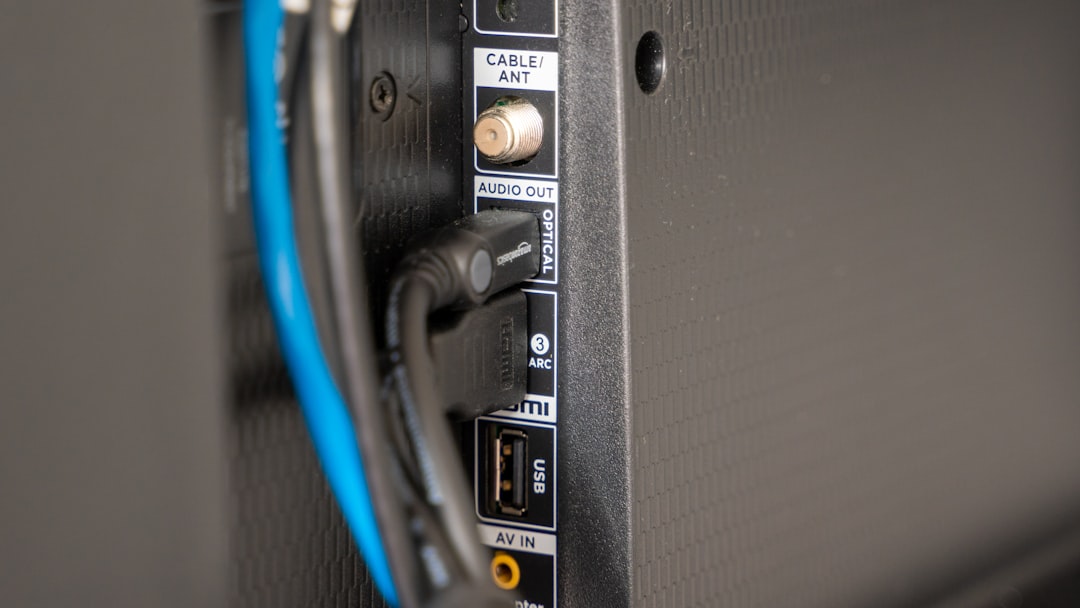
This is false. Cables and pinouts can differ between PSU brands. Always use cables that come with your PSU unless verified safe by the manufacturer.
Installation and Practical Considerations
Installing a fully modular PSU is not much different from any other PSU, but it offers a much cleaner and more efficient path during the setup:
- Choose and connect only the necessary cables before installing the PSU into the case.
- Route cables through designated management ports to reduce wire clutter.
- Secure excess cables with ties or Velcro straps to maintain airflow.
- Use labeled ports on the PSU and motherboard to avoid mismatches.
One caveat: because it offers so much flexibility, installation might initially take more time as you decide where each cable runs. But this investment often translates into easier troubleshooting and component access later down the line.
Top Brands Offering Fully Modular PSUs
When shopping for a reliable fully modular PSU, sticking with well-known brands is a wise move. Here are some of the most trusted manufacturers:
- Corsair: Known for its RMx and AXi series, Corsair offers excellent build quality and long warranties.
- Seasonic: Often the OEM for other brands, Seasonic’s PRIME series is favored among builders for its stability and efficiency.
- EVGA: Offers fully modular options with competitive pricing and support.
- be quiet!: Renowned for silent operation and premium components.
- ASUS ROG and Thermaltake: Also offer compelling modular PSU solutions tailored to gamers and enthusiasts.
Conclusion
A fully modular PSU represents the epitome of cable management, customization, and future-proof PC design. Though it may command a higher price than its non-modular counterparts, the benefits in airflow, aesthetics, and maintainability make it a smart investment. Whether you’re constructing a high-performance gaming rig or a compact and efficient home office system, a fully modular PSU ensures you’re not just building a powerful machine—you’re building it right.
In the evolving world of PC building, where every component matters, the power supply often dictates the seamless function and visual harmony of the entire setup. Choosing a fully modular PSU is more than a convenience—it’s a statement of quality and foresight.