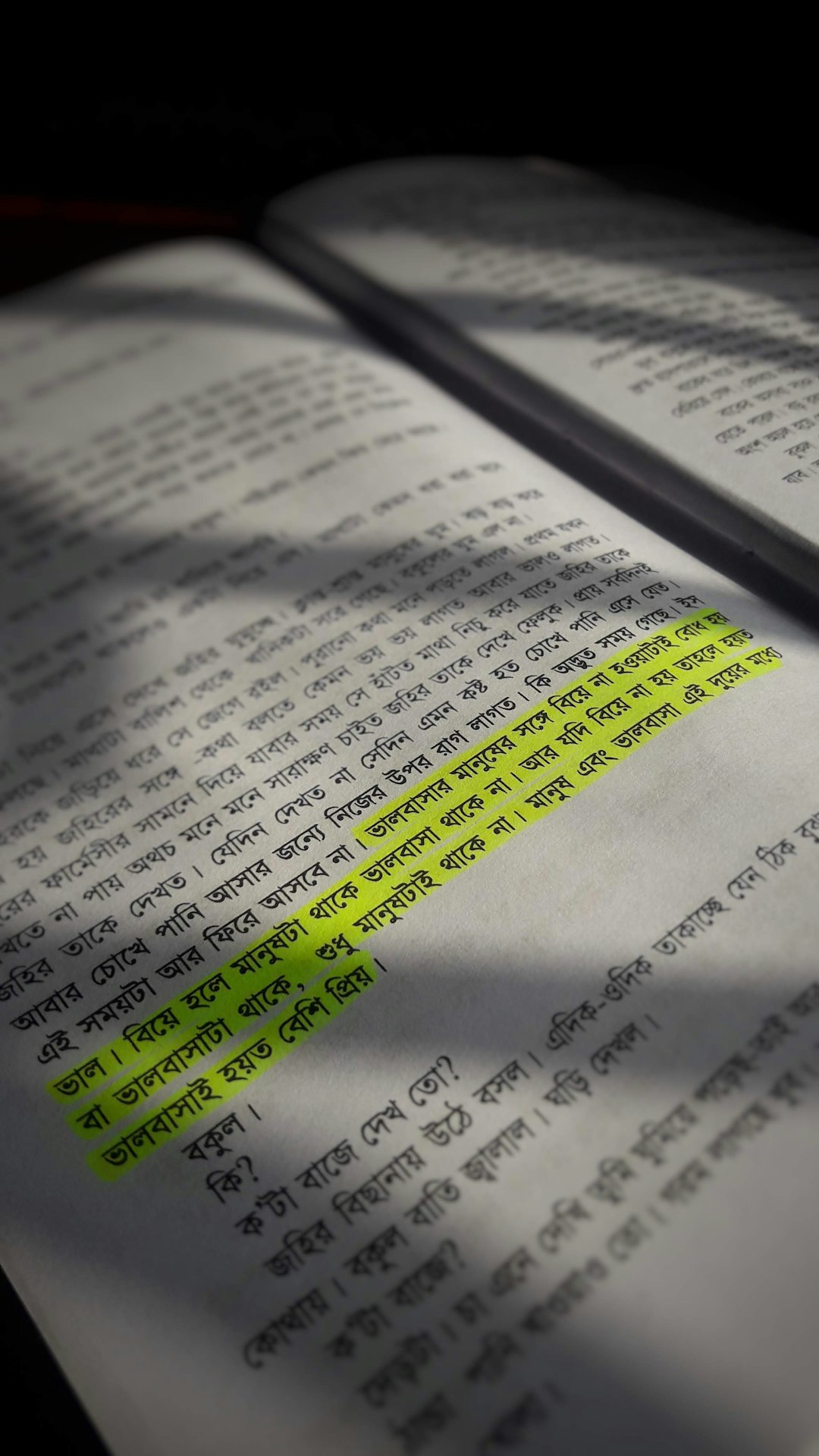
Use the highlighter tool in your PDF viewer, then save the file with annotations turned on. That is the fastest way to mark text without changing the original document. Open the PDF, pick Highlight, drag over the text, add a note if needed, and save. Simple. Mostly.
TLDR: Open your PDF in a built-in reader like Adobe Acrobat Reader, Apple Preview, Microsoft Edge, or Chrome. Select the Highlight or Markup tool, drag across the text, then save the file. For example, a student reviewing a 40-page research paper can mark 12 key quotes in under 10 minutes and add comments for each one. Teams that use highlights and comments often cut review back-and-forth by 20% to 30%, because nobody has to guess what needs attention.
Why highlight a PDF at all?
PDFs are everywhere. Contracts. Reports. School notes. User manuals. Forms. Tiny policy documents that somehow feel 200 years long.
Highlighting helps you find the good stuff later. It turns a wall of text into a map. Yellow means “read this again.” Blue can mean “question.” Pink can mean “fix this.” You get to make your own system.
Built-in annotation tools are great because you do not need a fancy editor. You can mark text, add comments, and share feedback with tools you already have.

What counts as a built-in PDF annotation tool?
A built-in annotation tool is already inside the app you use to open the PDF. No extra design app. No file conversion. No weird upload screen that makes you wonder where your document went.
Common built-in tools include:
- Adobe Acrobat Reader: Great for highlights, comments, sticky notes, and review replies.
- Apple Preview: Built into macOS. Fast and clean for highlighting and simple markup.
- Microsoft Edge: Opens PDFs on Windows and supports highlighting, drawing, and notes.
- Google Chrome: Basic PDF viewing with limited markup depending on version and setup.
- Mobile PDF viewers: Many phones and tablets include markup tools in Files, Books, or document apps.
Honestly, it feels a bit silly that every app hides the highlighter in a different corner. One puts it at the top. One hides it behind a pen icon. Another needs two clicks just to pick a color. Expect to waste five extra seconds the first time.
How to highlight text in Adobe Acrobat Reader
Adobe Acrobat Reader is one of the most common PDF tools. It is also one of the safest picks for shared review work.
- Open the PDF in Adobe Acrobat Reader.
- Look for the Highlight icon. It often looks like a marker pen.
- Click the icon.
- Drag across the text you want to mark.
- Release your mouse or trackpad.
- Right-click the highlight if you want to change the color.
- Press Ctrl + S on Windows or Command + S on Mac.
Want to add a note? Click the highlighted area. Choose Add Comment or open the comment panel. Type your thought. Keep it short if other people need to read it.
Good comment: “Check this deadline.”
Not so good: “This whole section has a vibe I am unsure about, maybe legal should see it, or maybe not, depending on what Sarah said last week.”
Short wins.
How to highlight a PDF on a Mac using Preview
Preview is built into macOS. It is quick. It is not flashy. That is the charm.
- Double-click the PDF. It should open in Preview.
- Click the Highlight button in the toolbar.
- If you do not see it, click the Markup icon.
- Pick a color if needed.
- Select the text you want to highlight.
- Save the file.
You can also underline or strike through text. Use underline for “remember this.” Use strike-through for “remove this.” Save bright colors for urgent items. If everything is neon yellow, nothing is special anymore.
How to highlight a PDF in Microsoft Edge
Microsoft Edge has a built-in PDF reader. This is handy on Windows. You can open a PDF and mark it without installing anything else.
- Right-click the PDF file.
- Choose Open with, then select Microsoft Edge.
- Find the Highlight tool in the top toolbar.
- Choose a color.
- Select the text.
- Click Save or Save as.
The catch is that browser PDF tools can be a little moody. Sometimes a scanned PDF will not let you select text. Sometimes the toolbar moves after an update. Very charming. Very annoying.
If you cannot select the words, the PDF may be an image. In that case, use the drawing tool instead. Or run OCR with a PDF app that supports text recognition.
What is OCR, and why should you care?
OCR means Optical Character Recognition. It turns scanned images of words into selectable text.
Here is the easy test. Try to drag across one word in the PDF. If the exact word becomes selected, you have real text. If the page acts like one big picture, it is probably a scan.
Scanned PDFs are common with old forms, signed contracts, book pages, and receipts. You can still mark them. You may just need a pen tool or OCR first.
Use colors like a normal human
Do not turn your PDF into a rainbow emergency. Pick a small color code and stick with it.
- Yellow: Key point or useful quote.
- Blue: Question or item to check.
- Green: Approved or correct.
- Pink: Problem, typo, or needed change.
- Orange: Deadline, risk, or follow-up.
This helps when you return later. It also helps when you share the PDF with others. Nobody wants to decode your private color mystery.
Add comments for real review work
Highlighting says, “Look here.” Comments say, “Here is why.” Use both when the document needs review.
For example, say you are reviewing a vendor contract. Highlight the payment terms in yellow. Add a comment that says, “Confirm 30-day payment window with finance.” Highlight the renewal clause in blue. Add, “Does this auto-renew?”
That takes seconds. It can save a long email chain later.

How to share a highlighted PDF
Always save before sending. Then reopen the file to check if the highlights stayed. This sounds basic. It is also the step people skip.
Use these tips:
- Save a copy: Keep the original clean.
- Rename the file: Try Report reviewed by Maya.pdf.
- Check comments: Make sure private notes are not included by mistake.
- Use PDF format: Do not send a screenshot unless someone asks for one.
- Flatten only if needed: Flattening locks annotations into the page.
If the receiver cannot see your highlights, ask what app they use. Some older viewers handle annotations poorly. Annoying, yes. Fixable, usually.
Common problems and quick fixes
- You cannot select text: The PDF may be scanned. Use OCR or the drawing tool.
- The highlight is the wrong color: Right-click it and choose properties or color.
- The toolbar is missing: Look for Markup, Comment, or a pen icon.
- Highlights disappeared: Save again, then open the file in a full PDF reader.
- The file is locked: You may need permission from the owner.
Best habits for clean PDF highlighting
Highlight less than you think. Mark the sentence, not the whole page. Add comments only when they help. Use clear colors. Save versions.
If you are studying, highlight definitions, formulas, dates, and arguments. If you are reviewing work, highlight claims, errors, missing details, and decisions. If you are checking a contract, highlight money, dates, duties, risks, and renewal terms.
The goal is not to make the PDF pretty. The goal is to make it useful. A good highlight should help you act faster the next time you open the file.
So grab the marker tool. Pick a color. Mark what matters. Then save the file before the software finds a fresh way to irritate you.