
Paid search and organic search work best as a team. Paid search gets you in front of buyers now. Organic search builds trust, lowers costs, and keeps leads coming later.
TLDR: Use paid search to test keywords, offers, and landing pages fast. Use organic search to win trust and capture buyers who research before they talk to sales. For example, a B2B SaaS company spent $12,000 on Google Ads, found three keywords with a 7.4% demo conversion rate, then built SEO pages for those terms and cut cost per lead by 31% in four months. That is not magic. That is paid and organic search sharing homework.
Why B2B search is a weird little beast
B2B buyers do not wake up and say, “You know what sounds fun? A procurement workflow demo.” They search because something hurts.
Maybe reporting takes too long. Maybe their current tool is held together with duct tape and hope. Maybe their boss said, “Find three vendors by Friday.”
Search catches that intent.
That makes search engine marketing, or SEM, very useful for B2B lead generation. But here is where teams often mess it up. They treat paid search and organic search like rivals.
They are not rivals. They are coworkers. One is impatient and pays for coffee. The other is calm and plays the long game.
Paid search is your fast feedback machine
Paid search gives you speed. You can launch ads today. You can see clicks today. You can spot weak landing pages before lunch.
That is a big deal in B2B. Sales cycles are long. Buying groups are picky. A single lead form can feel like asking someone to donate a kidney.
With paid search, you can test:
- Keywords: Which search terms bring real buyers?
- Ad copy: Which pain points get clicks?
- Offers: Demo, guide, calculator, webinar, or free audit?
- Landing pages: Which pages turn visits into leads?
- Audience signals: Which industries or company sizes respond?
Honestly, it feels like some ad platforms hide the useful buttons just to see if marketers will sigh out loud. Still, the data is worth it.
Paid search can show you that “enterprise compliance software” gets clicks but poor leads. It can also show that “SOC 2 automation for fintech” gets fewer clicks but better demos.
For B2B, fewer clicks can be fine. You do not need everyone. You need the right people.
Organic search builds trust before the sales call
Organic search, or SEO, is slower. No sugarcoating it. You may wait months before a page ranks well.
But once it works, it can be beautiful.
Organic search helps buyers find you when they are not ready to book a demo yet. They may search:
- “How to reduce cloud costs”
- “Best data warehouse tools for mid market companies”
- “CRM migration checklist”
- “What is vendor risk management”
These searches often happen early. The buyer is learning. They do not want a pitch yet. They want answers.
If your content helps them, they remember you. If your content is just a thin sales page wearing a fake mustache, they bounce.
Strong SEO content does a few jobs at once:
- It explains the problem in plain words.
- It compares options without sounding shady.
- It answers sales objections early.
- It attracts people from buying committees.
- It keeps working after the ad budget stops.
Paid search rents attention. Organic search earns it.
The simple way to make paid and organic work together
Do not build two separate plans. Build one search plan with two engines.
Here is a simple workflow.
1. Use paid search to find the money keywords
Start with a focused paid campaign. Do not chase every keyword in the known universe. That gets expensive and annoying.
Group keywords by intent.
- Problem intent: “reduce invoice errors”
- Solution intent: “invoice automation software”
- Comparison intent: “best invoice automation tools”
- Vendor intent: “vendor name alternative”
Then track real outcomes. Not just clicks. Not just impressions. Track qualified leads, pipeline, and closed deals.
A keyword with a $35 click cost can still be great if it brings $80,000 deals. A $4 click can be trash if sales rejects every lead.
2. Turn paid winners into SEO pages
When paid search shows a keyword works, build an organic page for it.
If “manufacturing ERP implementation checklist” brings strong leads, create a useful checklist page. Add examples. Add timelines. Add mistakes to avoid. Add a downloadable version if it makes sense.
This lowers risk. You are not guessing what content to create. Paid search already bought you the clue.

3. Use SEO pages to improve paid campaigns
This goes both ways.
Organic pages teach you what buyers care about. Look at search queries. Look at high-engagement pages. Look at which posts assist demo requests.
Then use those ideas in ads.
For example, if your SEO article on “CRM migration mistakes” gets long time on page, test ad copy like:
- “Avoid the 7 CRM Migration Mistakes”
- “Move CRM Data Without the Mess”
- “Plan Your CRM Switch in 30 Days”
This is where the teams should talk. SEO knows what people read. Paid search knows what people click. Sales knows what people actually buy.
Put those people in one meeting. Bring snacks. Watch the fog lift.
Map search to the B2B buying funnel
B2B buyers move in stages. They do not always move neatly. They loop. They vanish. They return after three weeks with eight new questions.
Your search strategy should match that behavior.
- Top of funnel: Use SEO guides, explainers, and checklists. These catch research searches.
- Middle of funnel: Use comparison pages, webinars, case studies, and calculators.
- Bottom of funnel: Use paid search for demo terms, competitor terms, pricing terms, and urgent solution terms.
Paid ads are often strongest near the bottom. Organic content is often strongest at the top and middle. Together, they cover more of the buyer journey.
Without SEO, you may pay for every touch. Ouch. Without paid search, you may wait too long to learn what works. Also ouch.
Pass better leads to sales
More leads are not always better. Anyone who has seen a form fill from “Mickey Mouse, CEO of Pizza” knows this pain.
The goal is qualified leads.
To improve lead quality, connect search data to your CRM. Track which campaigns, keywords, and pages create sales accepted leads. Then track which become pipeline.
Use simple lead signals such as:
- Company size
- Industry
- Job title
- Page viewed before conversion
- Search term or campaign source
- Offer downloaded
Then tune your campaigns. Pause keywords that bring poor-fit leads. Build more content for terms that assist real deals. Shift budget toward search intent that sales loves.
Expect to waste time on messy tracking at first. One hidden form field can break attribution for a week. It is deeply irritating. Fix it anyway.
What to measure
Clicks are cute. Revenue is better.
Measure both early and late signals. Early signals help you adjust fast. Late signals show what matters.
- Click through rate: Are ads and titles appealing?
- Conversion rate: Are visitors taking action?
- Cost per lead: What does each lead cost?
- Sales accepted lead rate: Does sales want these leads?
- Pipeline value: Are leads turning into real opportunities?
- Organic rankings: Are key pages gaining visibility?
- Assisted conversions: Did SEO help before paid closed the lead?
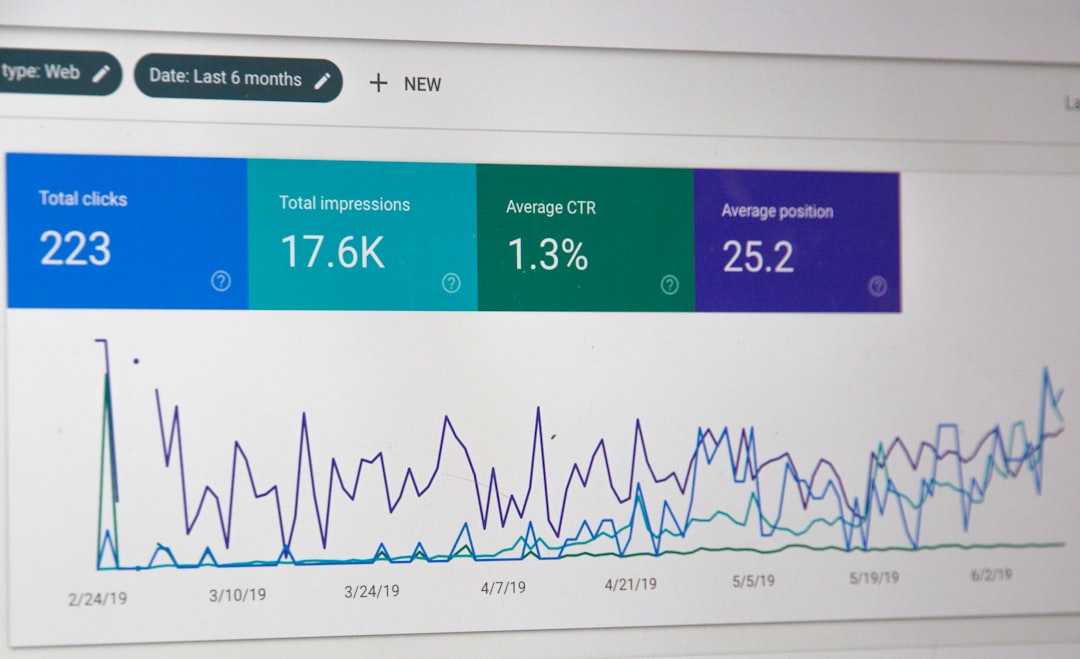
A useful dashboard might show that paid search creates 42% of demo requests, while organic content appears in 58% of assisted journeys. That means SEO warmed the room. Paid search closed the door behind the buyer and said, “Great, let’s book a time.”

A simple 30 day starter plan
You do not need a giant plan. Start small.
- Week 1: Pick 20 high-intent keywords. Build clean tracking. Choose one core offer.
- Week 2: Launch paid search. Test three ad angles. Send traffic to one focused landing page.
- Week 3: Review lead quality. Ask sales which leads are worth calling. Cut weak terms.
- Week 4: Create two SEO pages based on paid search winners. Add internal links. Keep testing ads.
Repeat this every month. Paid search keeps teaching. Organic search keeps growing. Sales gets cleaner leads. Everyone gets fewer mystery spreadsheets.
The big idea
B2B search works best when paid and organic share data.
Paid search gives speed, tests, and buyer intent. Organic search gives trust, reach, and lower long-term costs. Sales data tells both sides what is actually worth chasing.
Treat search like one system. Use paid to learn fast. Use SEO to compound the wins. Then send sales leads that are more likely to turn into real conversations, real pipeline, and real revenue.