
Software buyers have changed how they evaluate, purchase, and expand business tools. Instead of waiting through lengthy sales cycles, many teams now expect to try a product, invite colleagues, connect essential systems, and decide based on direct experience. This shift is one of the main reasons self service SaaS has become a serious growth model for companies serving customers of all sizes.
TLDR: Self service SaaS allows customers to discover, test, buy, and use software with minimal direct assistance from a sales team. Companies adopt this model because it can reduce acquisition costs, shorten buying cycles, and support scalable growth. For example, a 40-person marketing agency might sign up for a project management platform, test it with five users, and upgrade to a paid plan within seven days without booking a demo. In many software categories, even a modest 10% increase in trial-to-paid conversion can materially improve recurring revenue.
What Self Service SaaS Means
Self service SaaS is a software delivery and business model where users can onboard themselves, explore product value, and often purchase a subscription without speaking to a sales representative. This does not mean support disappears. Rather, support is delivered through clear product design, documentation, onboarding flows, in-app guidance, chat assistance, and automated billing.
In a traditional enterprise sales model, the vendor controls much of the process: qualification, demo scheduling, proposal creation, negotiation, and implementation planning. In a self service model, the customer controls more of the journey. They can start when they are ready, test features on their own terms, and make purchasing decisions based on practical usage.
This model is especially common in tools for productivity, analytics, design collaboration, accounting, customer support, security monitoring, and marketing automation. However, it is increasingly appearing in more complex B2B categories as well, often combined with sales assistance for larger accounts.

Why More Companies Are Moving Toward Self Service
The main reason companies adopt self service SaaS is simple: buyers increasingly prefer it. Business users are used to consumer-grade digital experiences. They do not want to wait three days for a reply just to see pricing or test a core feature. If one vendor makes evaluation difficult, another may offer instant access.
From the vendor’s perspective, the benefits are also significant. A well-designed self service motion can reduce dependency on large sales teams, increase the number of prospects entering the funnel, and allow smaller customers to become profitable without heavy manual effort. This is particularly important when serving small and medium-sized businesses, where contract values may not justify high-touch sales processes.
Several business pressures are accelerating the trend:
- Higher customer acquisition costs: Paid advertising, events, and outbound sales have become more expensive in many markets.
- Demand for faster purchasing: Teams often need tools immediately, not after a month-long procurement process.
- Global customer bases: Self service allows companies to sell across time zones without staffing every region equally.
- Product-led growth strategies: Companies increasingly use the product itself as the primary driver of acquisition and expansion.
The Economics Behind the Model
Self service SaaS is attractive because it can create a more efficient revenue engine. When users can sign up, activate, and upgrade on their own, the company can generate revenue without assigning a salesperson to every lead. This can lower customer acquisition cost and improve margins, especially at scale.
For example, consider a SaaS provider with 20,000 monthly website visitors. If 5% start a free trial, that means 1,000 trials per month. If 12% of those trials convert to a paid plan at $50 per month, the company adds $6,000 in monthly recurring revenue from that cohort. If product improvements raise conversion to 15%, revenue from the same traffic increases to $7,500 per month. That difference compounds over time.
This does not remove the need for sales. Instead, it changes where sales teams focus. Rather than spending time on every small account, sales representatives can prioritize high-intent users, larger organizations, and accounts showing strong product usage. This creates a practical hybrid: self service for volume, sales assistance for complexity.
What Makes Self Service Work
A self service SaaS model succeeds only when the product experience is strong enough to carry users from curiosity to value. If the interface is confusing, setup is difficult, or pricing is unclear, users abandon the process quickly. Trust must be earned at every step.
Key elements include:
- Clear positioning: Visitors should understand within seconds who the product is for and what problem it solves.
- Transparent pricing: Hidden costs create friction and suspicion, especially for smaller buyers.
- Fast onboarding: Users should reach a meaningful outcome as soon as possible, ideally during the first session.
- Helpful documentation: Articles, videos, and examples reduce the need for direct support.
- Reliable product analytics: Teams need to see where users get stuck, which features drive activation, and what predicts conversion.
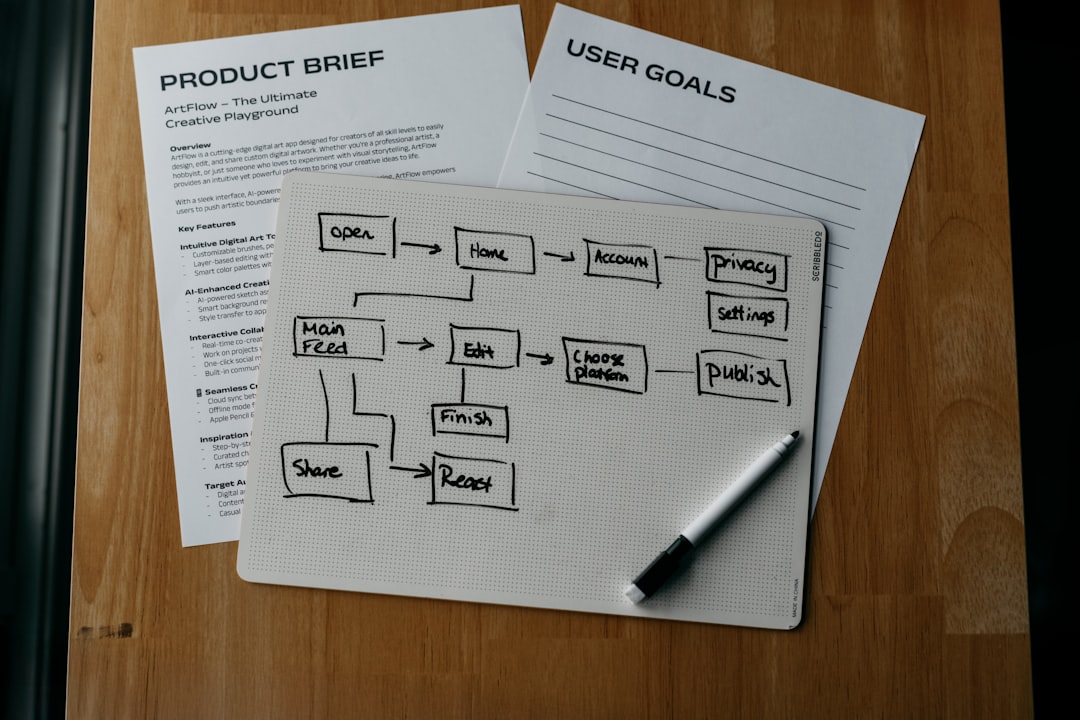
Good self service design is not about leaving customers alone. It is about anticipating their questions and removing unnecessary obstacles. The best companies combine automation with timely human help, such as live chat for billing issues or implementation support for advanced use cases.
Why Customers Like the Model
Customers benefit because they can evaluate software with less pressure. A buyer can compare tools, test workflows, and involve colleagues before making a commitment. This creates a more informed purchasing process and often leads to better long-term adoption.
For small teams, self service can be the difference between using a professional tool and being priced out of the market. They may not have time for formal demos or budget for enterprise packages. A monthly subscription, simple setup, and easy cancellation reduce perceived risk.
Larger companies also use self service, though in a different way. Individual teams may adopt a tool first, prove its value internally, and later expand it across departments. This bottom-up adoption can be powerful because the product already has internal advocates before procurement becomes involved.
Risks and Challenges
Despite its advantages, self service SaaS is not suitable for every product in its purest form. Some solutions require deep configuration, regulatory review, data migration, or executive approval. In these cases, a fully automated purchase process may be unrealistic.
There are also operational risks. If signups increase but onboarding is weak, support tickets can rise sharply. If the product attracts unqualified users, conversion rates may fall. If pricing is too simple, the company may undercharge larger customers. Therefore, self service must be designed carefully, supported by data, and reviewed continuously.
Security and trust also matter. Buyers need confidence that payment details, business data, and user permissions are handled properly. Strong security pages, compliance information, uptime transparency, and professional support channels all help reduce hesitation.
The Role of Product-Led Growth
Self service SaaS is closely connected to product-led growth, a strategy where the product is the main source of acquisition, retention, and expansion. Instead of relying only on marketing claims, companies let users experience value directly.
This approach changes how teams operate. Product managers focus on activation metrics. Marketers optimize educational content and signup paths. Customer success teams identify expansion signals. Sales teams contact accounts that show serious intent, such as multiple users from the same company joining within a short period.
In this environment, the product is not just something sold after persuasion. It becomes the proof.

Why Adoption Will Continue
The adoption of self service SaaS is likely to continue because it aligns with both customer expectations and vendor economics. Buyers want speed, transparency, and control. Software companies want scalable growth, better qualification, and more efficient revenue generation.
The strongest SaaS businesses will not treat self service as merely a signup button on a website. They will treat it as an operating model that includes product design, pricing, analytics, support, security, and customer success. Companies that execute it well can serve a broader market while reserving human expertise for the moments where it creates the most value.
Ultimately, self service SaaS is not a shortcut. It requires discipline, investment, and a deep understanding of user behavior. But for many companies, it offers a practical path to faster adoption, lower friction, and more sustainable growth in an increasingly competitive software market.