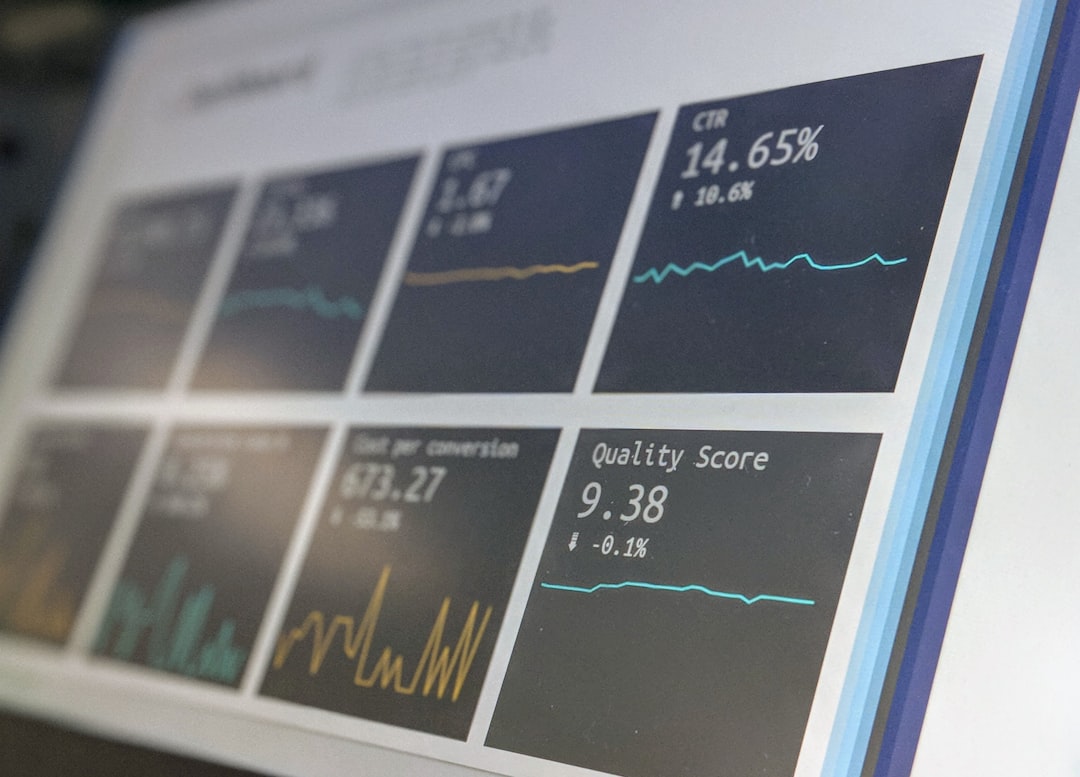
Student information systems have become the operational backbone of modern education, helping schools and universities manage enrollment, attendance, grades, schedules, communications, compliance, and reporting from one centralized platform. For K-12 districts, the strongest systems simplify parent engagement and state reporting; for higher education, they support admissions, financial aid, degree planning, and student lifecycle management.
TLDR: The top student information systems for K-12 schools include PowerSchool SIS, Infinite Campus, Skyward, Alma, and FACTS SIS, while leading higher education options include Ellucian Banner, Workday Student, Oracle PeopleSoft Campus Solutions, Jenzabar, and Anthology Student. A mid-sized district with 12,000 students, for example, may reduce manual attendance and reporting tasks by 25% to 40% after adopting a modern SIS with automated workflows. The best choice depends on institution size, integration needs, reporting requirements, budget, and user experience. Schools increasingly prefer cloud-based platforms because they improve access, security, and scalability.
What Makes a Student Information System Valuable?
A student information system, often called an SIS, stores and manages student data throughout the academic journey. In K-12 environments, this usually includes attendance, grades, behavior records, parent communication, transcripts, health information, and state compliance reports. In higher education, the system often extends to admissions, registration, advising, billing, financial aid, and graduation tracking.
The most valuable platforms typically provide:
- Centralized student records for accurate, accessible data
- Attendance and grade management for teachers and administrators
- Parent, student, and faculty portals for communication and transparency
- Reporting and analytics for compliance and performance tracking
- Integrations with learning management systems, finance tools, and assessment platforms
- Cloud access and mobile functionality for flexible use across campuses
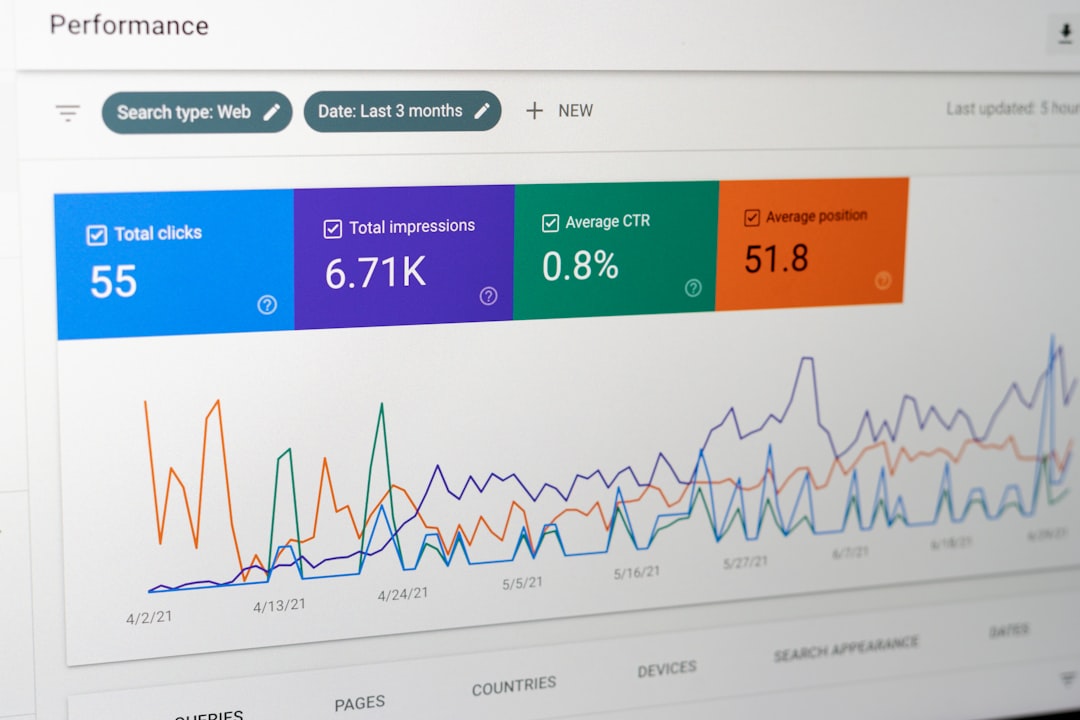
Top Student Information Systems for K-12 Schools
1. PowerSchool SIS
PowerSchool SIS is one of the most widely used student information systems in K-12 education. It supports attendance, grading, scheduling, state reporting, enrollment, special programs, and parent communication. Its broad ecosystem is a major advantage because many schools also use connected PowerSchool tools for learning management, assessments, talent management, and analytics.
Best for: Medium to large districts looking for a mature platform with extensive integrations and strong reporting capabilities.
2. Infinite Campus
Infinite Campus is known for its comprehensive K-12 functionality, especially for districts that need strong data management and compliance reporting. It offers tools for scheduling, attendance, grading, behavior, food service, special education, census data, and parent engagement.
The platform is often valued by districts that need detailed state reporting and a unified database. Its parent and student portals help families monitor grades, assignments, attendance, and announcements in real time.
Best for: Public school districts needing robust compliance features and a comprehensive K-12 data system.
3. Skyward Student Management Suite
Skyward provides a reliable student management system for districts that need attendance tracking, gradebooks, scheduling, discipline records, health data, and parent communication. It is often praised for its practical administrative tools and its ability to support day-to-day school operations.
Skyward also offers finance and HR solutions, which can benefit districts seeking administrative alignment across departments. For schools that prefer one vendor for multiple operational needs, this can be a meaningful advantage.
Best for: K-12 districts seeking a dependable SIS with optional business and HR system connections.
4. Alma
Alma is a cloud-based SIS designed with usability in mind. It provides attendance, grading, standards-based reporting, lesson planning, admissions, communications, and analytics. Its clean interface can be appealing to smaller schools or districts that want less complexity than some enterprise systems.
Alma is particularly useful for schools that prioritize teacher experience and family engagement. Its dashboards and communication tools make it easier for educators to understand student progress quickly.
Best for: Small to mid-sized schools wanting a modern, user-friendly cloud SIS.
5. FACTS SIS
FACTS SIS is popular among private, faith-based, and independent schools. It combines student information management with tuition, billing, enrollment, communications, and family portals. Because private schools often need strong financial workflows alongside academic records, FACTS can be a practical all-in-one choice.
Best for: Private and independent K-12 schools that need SIS features connected with tuition and enrollment management.
Image not found in postmetaTop Student Information Systems for Higher Education
1. Ellucian Banner
Ellucian Banner is a leading SIS in higher education, used by many colleges and universities to manage student records, admissions, registration, financial aid, billing, advising, and institutional reporting. It is known for serving complex academic structures and large-scale administrative needs.
Banner is often selected by institutions that require deep configurability and long-term scalability. It can support community colleges, private universities, and large public institutions with extensive academic programs.
Best for: Colleges and universities needing a proven enterprise SIS with comprehensive student lifecycle tools.
2. Workday Student
Workday Student is part of the broader Workday cloud ecosystem, which includes finance, HR, and planning tools. It focuses on a modern user experience and unified institutional data. For universities already using Workday for HR or finance, Workday Student can create a more connected administrative environment.
Its strengths include cloud architecture, mobile access, analytics, and workflow automation. Institutions considering digital transformation often evaluate Workday Student as part of a broader modernization strategy.
Best for: Institutions seeking a cloud-native SIS connected with HR and finance operations.
3. Oracle PeopleSoft Campus Solutions
Oracle PeopleSoft Campus Solutions remains a major SIS for higher education, especially among large institutions with complex administrative requirements. It supports admissions, enrollment, academic advisement, student financials, financial aid, and campus community records.
Although some institutions are moving toward newer cloud-native systems, PeopleSoft continues to be valued for its powerful capabilities and flexibility. It is often used where extensive customization and established workflows are important.
Best for: Large universities with complex processes and existing Oracle infrastructure.
4. Jenzabar
Jenzabar offers SIS solutions tailored to higher education, with particular strength among small to mid-sized colleges. Its tools support recruitment, admissions, registration, advising, billing, retention, and institutional reporting.
Jenzabar is often chosen by institutions that want a higher education-focused vendor with solutions designed for enrollment management and student success. Its platforms can help colleges improve retention strategies by identifying at-risk students earlier.
Best for: Small and mid-sized colleges focused on enrollment, retention, and student success.
5. Anthology Student
Anthology Student provides student lifecycle management features for higher education institutions, including admissions, academics, financial aid, student accounts, and reporting. It is designed to support flexible academic models, including traditional programs, online learning, and career-focused education.
The platform can be especially useful for institutions that manage multiple program formats or need strong engagement data across the student journey.
Best for: Career colleges, online programs, and institutions needing flexible student lifecycle management.
How Schools Should Choose the Right SIS
Selection should begin with institutional needs rather than brand recognition. A small private school may value tuition integration and parent communication, while a large university may prioritize financial aid processing, compliance, and enterprise integrations.
Key evaluation factors include:
- Scalability: The system should support current enrollment and future growth.
- Ease of use: Teachers, administrators, students, and families should be able to complete common tasks without excessive training.
- Integration options: The SIS should connect with learning management, payment, assessment, identity, and reporting systems.
- Data security: Strong permission controls, encryption, and compliance support are essential.
- Reporting: K-12 schools need state reporting, while colleges need institutional, accreditation, and financial reports.
- Total cost: Licensing, implementation, training, support, migration, and customization should all be considered.
Cloud-Based SIS Trends
Cloud-based systems are becoming the standard because they reduce local server demands and improve access from multiple locations. They also support faster updates and better disaster recovery. Many institutions are also using SIS data for predictive analytics, such as identifying students with attendance issues, declining grades, or incomplete registration steps.
For example, a college that monitors registration activity through SIS analytics may identify that 18% of first-year students have not completed required advising before the enrollment deadline. With automated alerts, advisors can intervene earlier and improve registration completion rates.
Conclusion
The top student information systems for K-12 and higher education differ because the needs of schools and universities are not the same. PowerSchool, Infinite Campus, Skyward, Alma, and FACTS are strong choices for K-12 environments, while Ellucian Banner, Workday Student, Oracle PeopleSoft Campus Solutions, Jenzabar, and Anthology Student stand out in higher education. The best SIS is the one that improves daily workflows, protects student data, supports compliance, and helps educators make better decisions.
FAQ
What is a student information system?
A student information system is software that manages student records, including enrollment, attendance, grades, schedules, communications, reports, and other academic or administrative data.
Which SIS is best for K-12 schools?
Common top choices include PowerSchool SIS, Infinite Campus, Skyward, Alma, and FACTS SIS. The best option depends on school size, reporting needs, budget, and desired integrations.
Which SIS is best for higher education?
Leading higher education systems include Ellucian Banner, Workday Student, Oracle PeopleSoft Campus Solutions, Jenzabar, and Anthology Student.
Why are cloud-based student information systems popular?
Cloud-based SIS platforms offer remote access, easier updates, improved scalability, reduced server maintenance, and better support for mobile users.
How long does SIS implementation take?
Implementation can take a few months for smaller schools and more than a year for large districts or universities, depending on data migration, integrations, training, and customization needs.