
Direct mail remains one of the most dependable ways to generate serious business inquiries, especially when it is planned with discipline and measured against clear commercial goals. While digital channels compete for attention in crowded inboxes and feeds, a well-targeted mail piece can feel personal, tangible, and credible. The key is not simply sending postcards or letters at scale; it is building a system that attracts high-quality prospects who are likely to convert.
TLDR: Direct mail leads are strongest when campaigns combine accurate targeting, a compelling offer, professional creative, and consistent follow-up. High-quality prospects come from mailing to the right audience, not from mailing to the largest list. Track every response source carefully, test small before scaling, and use direct mail as part of a broader sales process rather than a standalone tactic.
Start with a precise definition of a qualified lead
Before launching a direct mail campaign, define what a “good lead” actually means for your business. A high-quality prospect is not just someone who responds; it is someone who fits your ideal customer profile, has a relevant need, and has the potential to become profitable.
For example, a financial advisor may define a qualified lead as a homeowner over age 50 with investable assets above a certain threshold. A home improvement company may focus on property owners in specific neighborhoods, with homes built before a particular year. A B2B service provider may target companies by employee count, industry, annual revenue, or location.
The clearer the qualification criteria, the less money you waste. Direct mail becomes significantly more effective when every list decision, message, and offer is built around a known prospect profile.
Build or source a strong mailing list
The mailing list is one of the most important factors in direct mail performance. Even the best-designed mailer will underperform if it reaches the wrong recipients. Businesses commonly use three types of lists:
- House lists: Existing customers, past buyers, inquiries, newsletter subscribers, or dormant accounts.
- Purchased lists: Data acquired from reputable providers based on demographics, firmographics, property records, or buying behavior.
- Modeled lists: Audiences built to resemble your best current customers using data analysis and segmentation.
House lists usually produce the highest response rates because recipients already know your brand. However, purchased and modeled lists can be effective when they are clean, current, and selected with strict filters. Avoid overly broad lists that promise volume but lack relevance. A smaller, better-matched audience often generates more revenue than a larger, poorly targeted one.

Segment the audience before writing the message
Segmentation allows you to tailor the campaign to different prospect groups. A single generic message rarely performs as well as a message built around a specific audience’s concerns. Segmenting may be based on geography, income, purchase history, industry, property type, age, life stage, or previous engagement.
For example, a real estate investor might send one message to absentee landlords and another to owners of inherited properties. A medical practice might separate families, seniors, and working professionals. Each group has different motivations, objections, and decision timelines.
Relevant messaging signals that you understand the recipient’s situation. That trust can be the difference between a discarded mailer and a phone call.
Create an offer that justifies action
Direct mail should give prospects a clear reason to respond now. The offer does not always need to be a discount. In many industries, strong offers include consultations, assessments, audits, estimates, reports, demos, invitations, or limited availability.
Strong offers are usually:
- Specific: The recipient understands exactly what they receive.
- Relevant: The offer addresses a real problem or desire.
- Low risk: The next step feels easy and nonthreatening.
- Time sensitive: There is a legitimate reason to respond soon.
For lead generation, avoid vague calls to action such as “learn more” unless they are paired with a concrete benefit. A better approach is “Schedule a no-obligation roof inspection by May 30” or “Request a complimentary retirement income review.” Specificity builds confidence and increases response quality.
Use professional creative, but prioritize clarity
Direct mail design should look credible, but it should not sacrifice clarity for decoration. Prospects should be able to understand the message within seconds. The headline, offer, proof points, and response instructions must be easy to find.
Effective direct mail pieces often include:
- A clear headline focused on the recipient’s problem or desired outcome
- A concise explanation of the service or product
- Proof elements, such as testimonials, years in business, certifications, or case results
- A strong call to action with phone number, website, QR code, or reply card
- Branding that appears professional and consistent
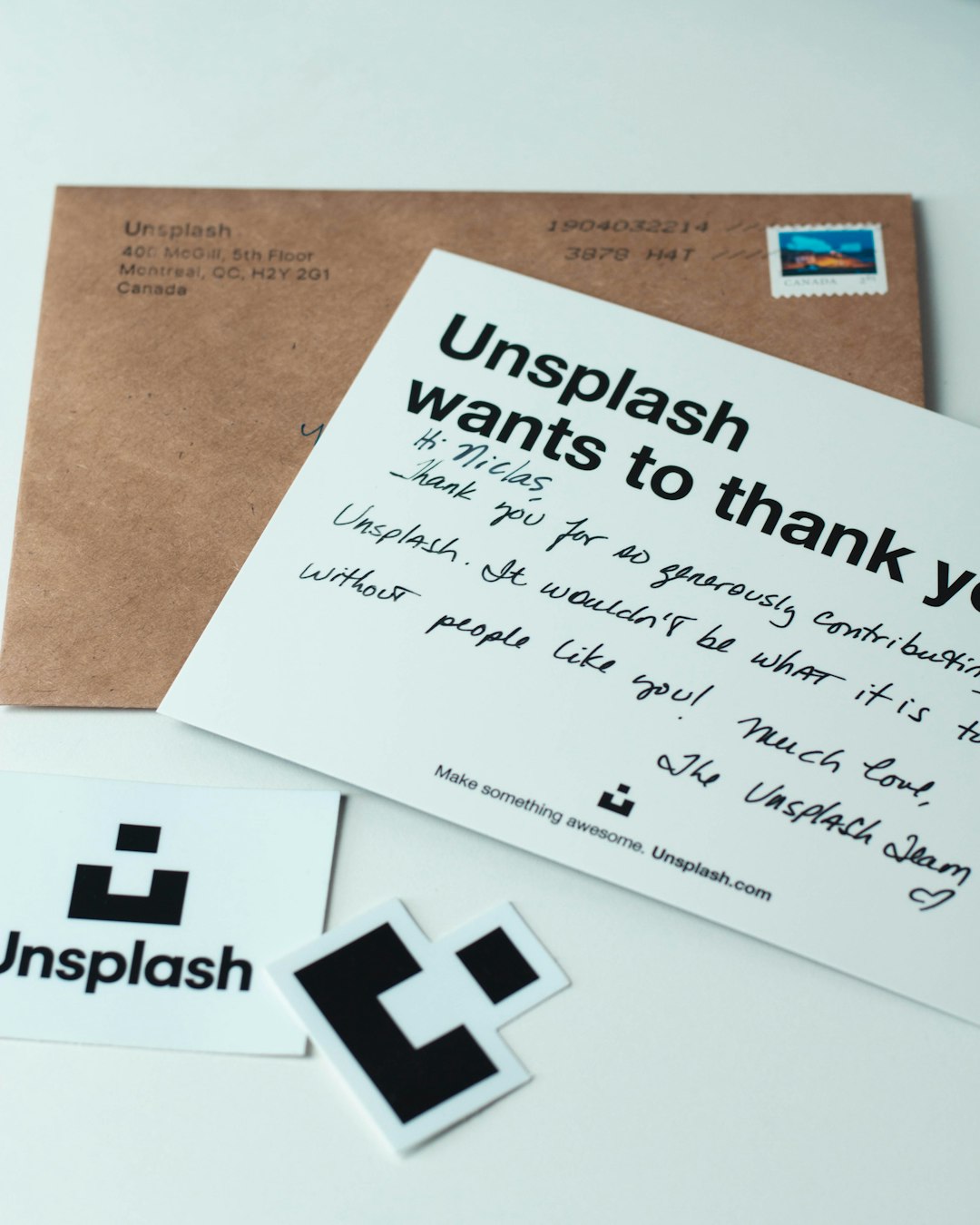
Trust is especially important in direct mail because the recipient may not be familiar with your company. Include physical address details, licensing information where relevant, and clear contact options. Overly aggressive claims, cluttered layouts, or cheap-looking production can reduce credibility.
Personalize without appearing intrusive
Personalization can improve response when it is useful and respectful. Addressing the recipient by name, referencing a local area, or tailoring the message to a relevant category can make the mail piece feel more intentional. However, avoid personalization that feels invasive or overly detailed.
For instance, “Helping homeowners in Oakwood reduce energy costs” may feel helpful. “We noticed your home was built in 1972 and may have inefficient windows” may be effective in some cases, but it should be used carefully and legally. The goal is to show relevance, not to make the recipient uncomfortable.
Make response easy and measurable
High-quality lead generation depends on frictionless response methods. If a prospect is interested but cannot quickly understand what to do next, the campaign loses value. Provide multiple response options, such as:
- A dedicated phone number
- A campaign-specific landing page
- A QR code leading to a short form
- A prepaid reply card for certain audiences
- A text message keyword where appropriate
Tracking is equally important. Use unique phone numbers, URLs, QR codes, offer codes, or CRM campaign tags to connect responses to specific mail drops. This allows you to measure cost per lead, conversion rate, appointment rate, and revenue per campaign.
Do not judge success only by response rate. A campaign generating fewer responses may still be more profitable if those responses are better qualified and easier to close.
Test before scaling the campaign
Direct mail involves printing and postage costs, so testing is essential. Instead of sending 50,000 pieces immediately, test smaller batches with different lists, offers, formats, or headlines. This disciplined approach helps identify what works before increasing spend.
Common variables to test include:
- Postcard versus letter format
- Different audience segments
- Benefit-focused versus problem-focused headlines
- Discount offer versus consultation offer
- Short copy versus longer educational copy
Testing should be structured. Change one major variable at a time when possible, and make sure each test group is large enough to produce meaningful results. Record all campaign details, including list source, mailing date, creative version, offer, cost, responses, appointments, sales, and revenue.
Follow up quickly and consistently
A direct mail lead is only valuable if it is handled properly. When a prospect calls, submits a form, or scans a QR code, response speed matters. Many businesses invest heavily in campaign production but lose leads through slow follow-up or poorly trained staff.
Create a clear lead handling process:
- Respond to inquiries as quickly as possible, ideally within minutes during business hours.
- Use a short qualification script to confirm fit and urgency.
- Enter every lead into a CRM or tracking system.
- Schedule the next step immediately, such as a consultation or estimate.
- Follow up with nonresponsive prospects through phone, email, or additional mail.

In many campaigns, the profit is made in the follow-up sequence rather than the first response. Some prospects need multiple touches before they are ready to act. A serious follow-up system protects your investment and improves conversion rates.
Integrate direct mail with digital channels
Direct mail becomes stronger when it works alongside digital marketing. A recipient may receive a mailer, visit your website, search your company name, read reviews, and then call days later. Make sure the experience is consistent across channels.
Use landing pages that match the mailer’s message. Ensure your online reviews, business listings, and website are up to date. Consider retargeting website visitors who arrive from mail campaigns. For B2B campaigns, sales teams can also follow direct mail with email, phone outreach, or LinkedIn engagement.
The best direct mail campaigns do not operate in isolation. They create a credible first impression and then support a broader conversion journey.
Measure lead quality and long-term value
To generate better prospects over time, measure beyond initial inquiries. Track which lists and messages produce booked appointments, closed deals, repeat buyers, and higher lifetime value. This separates surface-level activity from real business growth.
Important metrics include:
- Cost per response
- Cost per qualified lead
- Appointment or consultation rate
- Close rate
- Average order value
- Return on investment
Over time, these numbers reveal which audiences deserve more investment and which should be removed. High-quality direct mail lead generation is an ongoing process of refinement, not a single campaign.
Conclusion
Direct mail can generate high-quality prospects when it is approached strategically. Success depends on disciplined targeting, strong data, relevant messaging, a clear offer, professional presentation, and reliable follow-up. Businesses that treat direct mail as a measurable lead generation system, rather than a one-time advertising expense, are more likely to build predictable results. With careful testing and consistent optimization, direct mail can remain a serious and profitable channel for attracting prospects who are ready to engage.