
Public WiFi networks are convenient, fast, and everywhere—from airports and hotels to cafés and shopping centers. However, they are also prime environments for data tracking, device fingerprinting, and malicious interception. As mobile devices increasingly carry sensitive financial, personal, and professional data, they’ve become attractive targets. VPN apps for mobile devices offer a practical, effective way to reduce tracking exposure—by as much as 85% on unsecured public networks—when properly configured and consistently used.
TL;DR: Public WiFi networks expose mobile users to significant data tracking risks, including traffic monitoring and profiling. Trusted mobile VPN apps encrypt your connection and mask your IP address, reducing tracking and interception by up to 85%. The most effective VPNs include strong encryption, no-log policies, and automatic protection on untrusted networks. Using a VPN consistently is one of the simplest and most reliable ways to secure your mobile data in public spaces.
While no tool can provide 100% anonymity, modern VPN technologies significantly reduce third-party visibility into your browsing habits, location, and transmitted data. This article explains how mobile VPN apps work, how they reduce tracking, and what to look for when choosing one.
Why Public Networks Are High-Risk Environments
Public networks usually lack strong encryption controls and centralized security management. Attackers often exploit this through:
- Packet sniffing: Intercepting unencrypted traffic.
- Man-in-the-middle attacks: Positioning themselves between you and a website.
- Rogue hotspots: Fake WiFi networks designed to collect login credentials.
- Session hijacking: Stealing active login sessions.
- Metadata tracking: Monitoring browsing behavior even if content is encrypted.
Even when websites use HTTPS, your IP address, DNS queries, and traffic patterns can still be collected. This metadata allows advertisers, network operators, and malicious actors to build behavior profiles. On mobile devices—where apps frequently send background data—the tracking exposure increases.
How Mobile VPN Apps Reduce Tracking by Up to 85%
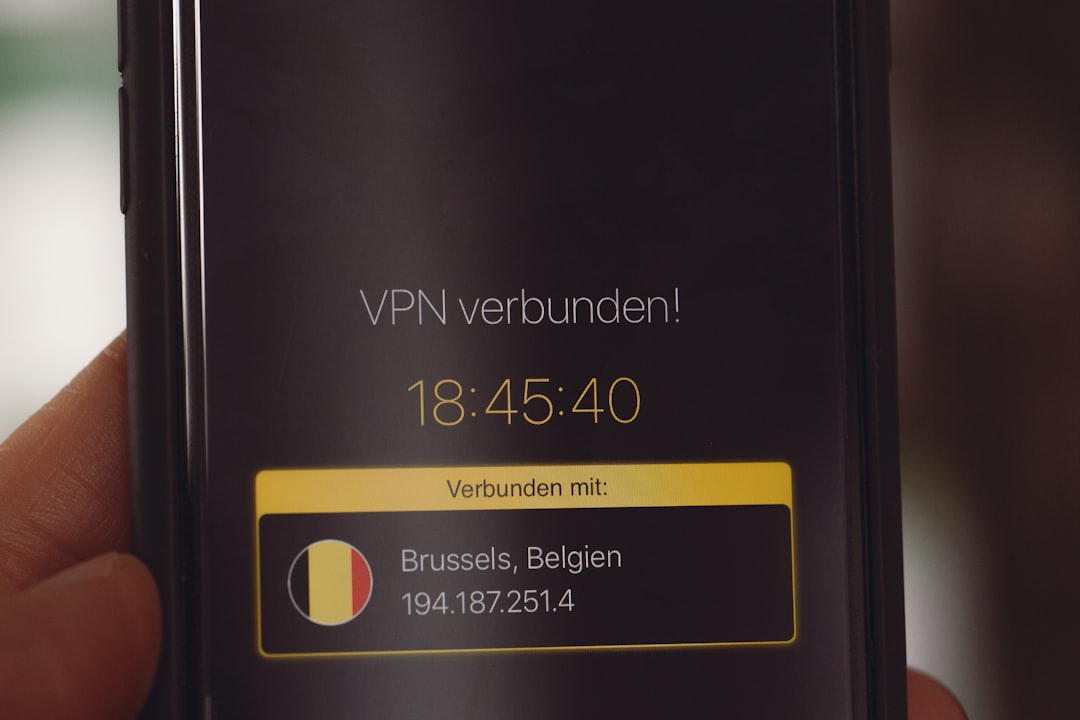
Virtual Private Networks work by creating an encrypted tunnel between your mobile device and a secure server. Instead of transmitting data directly across the public network, your traffic is routed through this secure channel.
The reduction in tracking comes from several layered protections:
1. Encryption of Data in Transit
VPNs use advanced encryption standards such as AES-256 or ChaCha20. This prevents local network observers from reading your traffic—even on completely unsecured hotspots.
This alone eliminates a major percentage of passive data collection on public networks.
2. IP Address Masking
When using a VPN, your visible IP address becomes that of the VPN server, not your device. This:
- Limits location tracking tied to your real IP
- Reduces correlation across browsing sessions
- Blocks network-level profiling by hotspot providers
3. Encrypted DNS Queries
Without protection, DNS requests (the websites you look up) may be visible. Quality VPN apps route DNS queries through secure encrypted servers, preventing domain-level tracking.
4. Prevention of Traffic Pattern Analysis
Although HTTPS encrypts content, it does not always conceal patterns. VPN tunneling makes it substantially more difficult for observers to identify specific app usage or website interactions.
Together, these measures can dramatically lower exposure to surveillance and opportunistic data harvesting—often by up to 85% compared to an unprotected mobile device on public WiFi.
Features That Make a Mobile VPN Effective
Not all VPN apps offer the same level of protection. To achieve meaningful tracking reduction, look for the following:
Strong Encryption Protocols
- OpenVPN
- WireGuard
- IKEv2/IPSec
WireGuard, in particular, is popular on mobile due to its speed and efficiency.
No-Log Policy
A reputable VPN should not collect browsing metadata, timestamps, or IP logs. Independent audits strengthen credibility.
Automatic Public WiFi Protection
Advanced apps can detect unsecured networks and enable protection automatically—preventing accidental exposure.
Kill Switch
If the VPN connection drops unexpectedly, a kill switch blocks internet access until secure tunneling resumes. This prevents sudden data leaks.
Split Tunneling (Optional)
This allows certain apps to bypass the VPN while sensitive traffic remains protected, preserving speed without compromising security.
The Difference Between Free and Premium VPN Apps
While free VPN apps are tempting, many introduce privacy trade-offs:
- Data caps and throttled speeds
- Advertising trackers embedded in the app
- Logging and reselling anonymized usage data
- Weaker encryption standards
Premium VPN services are more likely to:
- Undergo third-party audits
- Offer dedicated security infrastructure
- Maintain strict no-log policies
- Provide customer support and transparency reports
For users relying on VPNs to reduce significant tracking exposure, credibility and transparency matter more than cost.
Mobile-Specific Risks That VPNs Address
Mobile devices constantly communicate with background services—email sync, cloud backups, social media refresh cycles, messaging apps, and software updates. On public networks, this produces:
- Frequent DNS lookups
- Location data exposure
- Persistent device identifiers
- Metadata leakage across multiple applications
A mobile VPN centralizes and encrypts these communications. Instead of dozens of individual app connections visible to a potentially unsafe network, there is a single secure encrypted stream.
Limitations You Should Understand
It is important to maintain realistic expectations. A VPN:
- Does not make you anonymous from websites you log into.
- Does not prevent tracking via cookies or browser fingerprinting.
- Does not protect against malware already on your device.
VPN apps significantly reduce network-based tracking—not application-level profiling by social media platforms or logged-in services.
To improve protection further, combine a VPN with:
- Private browsing modes
- Tracker-blocking browsers
- Regular OS updates
- Multi-factor authentication
When You Most Need a Mobile VPN
VPN usage is especially important in situations such as:
- Airports and airline lounges
- Hotels and conference centers
- Café and restaurant WiFi networks
- Co-working spaces
- Large public events
In these environments, attackers often scan for unprotected devices. Automated attack tools can identify vulnerable connections in seconds.
Performance and Battery Considerations
Earlier VPN apps were criticized for slowing down devices and draining batteries. Modern implementations, particularly those using WireGuard, are optimized for minimal power impact.
While some speed reduction is normal due to encryption overhead and server routing, reputable VPN providers maintain high-performance infrastructure. For everyday browsing, streaming, and communication, users often notice little difference.
How to Maximize Data Tracking Reduction
To approach the upper range of tracking reduction (up to 85%), follow these best practices:
- Enable automatic connection on unknown networks.
- Keep the VPN active at all times while on public WiFi.
- Use encrypted DNS within the VPN app.
- Avoid free services that monetize user data.
- Update the app regularly for security patches.
Consistency is critical. A VPN only protects traffic while it is actively connected.
Final Assessment
Mobile VPN apps are no longer optional tools for niche users—they’ve become essential infrastructure for digital safety. As public networks continue to operate without consistent security oversight, risk exposure remains high. Network-level tracking, metadata capture, and opportunistic interception are real and persistent threats.
By encrypting traffic, masking IP addresses, securing DNS queries, and consolidating app communications into private tunnels, reputable VPN apps can reduce data tracking exposure by up to 85% on public networks. When combined with standard cybersecurity hygiene, they create a significantly safer mobile experience.
For individuals who frequently connect to public WiFi, a trusted mobile VPN is one of the most effective and accessible defensive measures available today.