In today’s hyper-competitive digital marketplace, pricing is no longer a static decision made once per quarter. It is a dynamic strategy that evolves daily—sometimes hourly—based on customer behavior, competitor actions, supply chain shifts, and market trends. Businesses that fail to monitor competitor pricing risk losing margin, market share, and customer trust. Price monitoring software has emerged as a mission-critical tool for organizations that want to stay competitive while protecting profitability.
TLDR: Price monitoring software helps businesses automatically track competitor prices across online channels in real time. It enables smarter pricing decisions, protects margins, and supports dynamic pricing strategies. Companies that use automated monitoring gain faster insights and respond quickly to market shifts. In competitive industries, it is no longer optional—it is strategic infrastructure.
From ecommerce retailers and travel companies to manufacturers and consumer goods brands, organizations rely on accurate, up-to-date pricing intelligence to guide decision-making. Manual tracking methods are no longer sufficient. Automated systems provide scale, precision, and actionable insights that human teams alone cannot replicate.
What Is Price Monitoring Software?
Price monitoring software is a digital solution that automatically tracks competitor product prices across websites, marketplaces, and other online sales channels. It collects pricing data at scheduled intervals or in real time, then organizes and analyzes it for business users.
This software typically monitors:
- Product pricing changes
- Discounts and promotional offers
- Stock availability
- Shipping costs
- Marketplace positioning
- Historical pricing trends
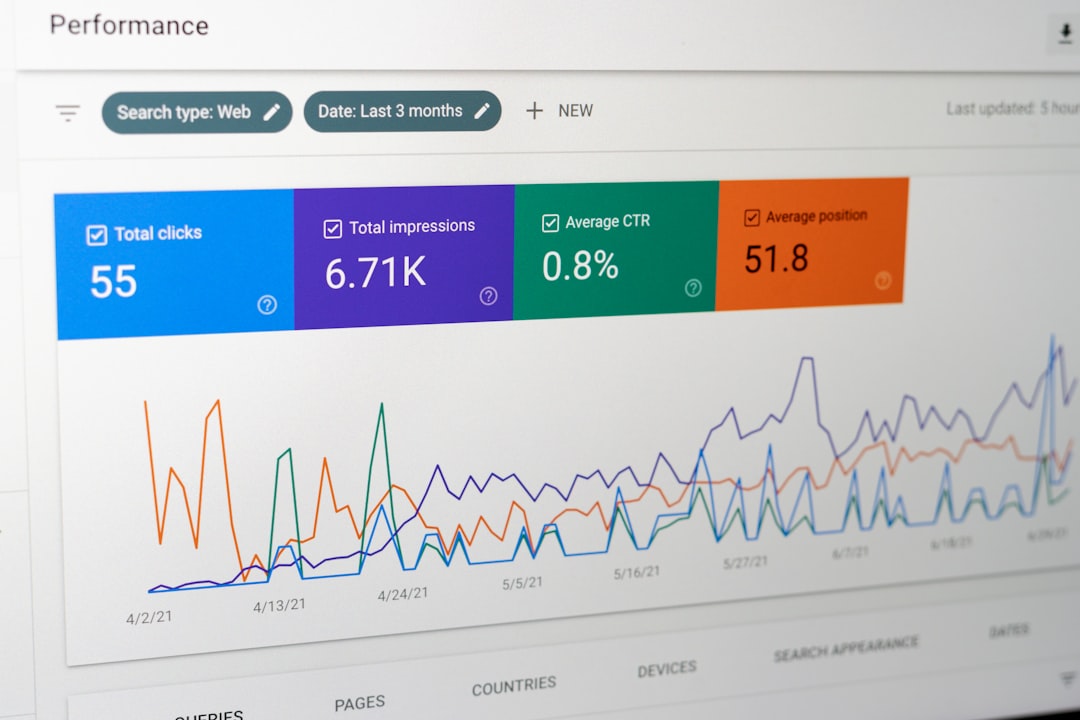
Unlike manual methods such as spreadsheets or periodic website checks, modern monitoring tools use automated crawlers and APIs to gather structured data from hundreds or thousands of competitor listings simultaneously.
Why Competitor Pricing Monitoring Matters
Pricing influences purchasing decisions more directly than almost any other factor. Online shoppers compare offers across multiple platforms within seconds. If your price is significantly higher without clear value differentiation, conversions decline. If it is too low, profit margins shrink unnecessarily.
Key reasons businesses invest in price monitoring software include:
- Margin protection – Avoid underpricing products unnecessarily
- Competitive positioning – Ensure prices stay aligned with market expectations
- Faster reaction time – Respond quickly to competitor discounts
- Dynamic pricing enablement – Adjust pricing automatically based on defined rules
- Data-driven negotiations – Support supplier and distributor discussions with evidence
In markets where prices fluctuate daily—such as electronics, travel, fashion, or consumer packaged goods—not monitoring competitors is equivalent to operating without visibility.
Core Features of Effective Price Monitoring Software
Not all solutions offer the same capabilities. Robust systems typically include the following components:
1. Automated Data Collection
The foundation of any monitoring software is accurate data collection. Advanced platforms:
- Extract pricing from ecommerce websites and marketplaces
- Match identical or similar products across sellers
- Normalize varied product descriptions for comparability
2. Real-Time Alerts
Businesses can configure alerts for:
- Competitor price drops
- Threshold breaches
- New promotional campaigns
- Out-of-stock changes
This proactive notification system allows pricing managers to react before revenue impact escalates.
3. Historical Data Analysis
Understanding trends is as important as knowing current prices. Historical reporting helps teams identify:
- Recurring discount patterns
- Seasonal pricing trends
- Competitor pricing strategies over time
4. Dynamic Pricing Integration
Some organizations integrate monitoring software directly with pricing engines. This enables predefined rules such as:
- Match lowest competitor price within margin limits
- Maintain price leadership within specific product categories
- Automatically adjust pricing overnight
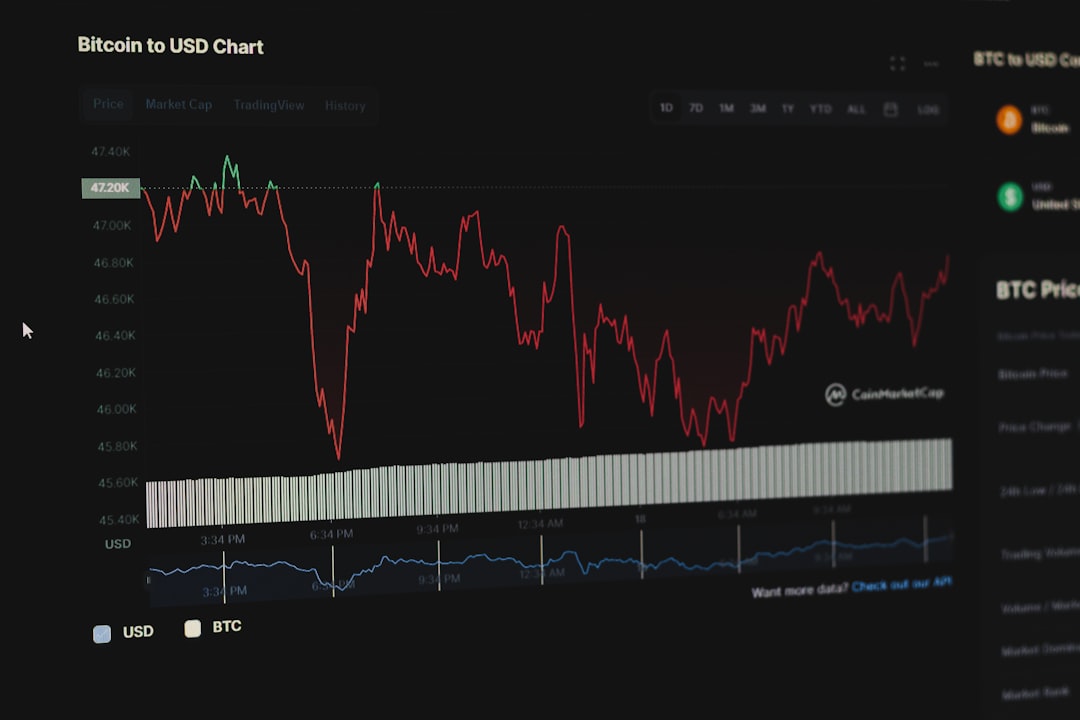
5. Reporting and Visualization Tools
Professional dashboards allow decision-makers to interpret data quickly. Clear reporting reduces ambiguity and improves executive-level confidence in pricing decisions.
Industries That Benefit Most
While nearly all digital businesses can benefit, certain industries rely heavily on price monitoring:
- Ecommerce retail – Highly competitive and price-sensitive consumers
- Travel and hospitality – Rapid price fluctuations driven by demand
- Consumer electronics – Frequent promotions and product launches
- Grocery and FMCG – Thin margins and aggressive discounting
- Manufacturing and distribution – Protection of recommended retail pricing (RRP)
In these sectors, pricing is not simply a revenue consideration; it is a competitive weapon.
Strategic Advantages of Using Price Monitoring Software
Improved Decision Accuracy
Data-driven pricing reduces reliance on assumption or intuition. Managers can base decisions on comprehensive market insight rather than isolated snapshots.
Operational Efficiency
Manual competitor tracking consumes significant employee time. Automation reduces this workload and minimizes error risk. Teams can then focus on strategy rather than data collection.
Early Threat Detection
By continuously scanning the market, businesses detect aggressive discount campaigns immediately. Early awareness enables proactive counter-measures rather than reactive damage control.
Higher Profitability
Contrary to common misconception, price monitoring does not necessarily mean lowering prices. Often, data reveals opportunities to increase prices where competitors have already moved upward.
Compliance and Brand Protection
Manufacturers and brand owners frequently struggle with unauthorized discounting by distributors or marketplace sellers. Price monitoring solutions help enforce Minimum Advertised Price (MAP) policies.
By identifying sellers who violate pricing agreements, companies can:
- Issue warnings
- Protect brand value perception
- Maintain channel fairness
- Avoid pricing erosion across markets
Brand integrity is closely linked to price consistency. When customers perceive erratic or heavily discounted pricing, brand positioning can suffer permanently.
Challenges and Considerations
While beneficial, implementing price monitoring software requires thoughtful planning.
Data Accuracy
Inaccurate product matching can distort analysis. Ensuring high-quality data extraction and verification processes is essential.
Legal and Ethical Boundaries
Companies must ensure compliance with competition laws and platform terms of service. Monitoring competitor pricing is legal in most jurisdictions, but price fixing or collusion is not.
Internal Alignment
Pricing decisions affect multiple departments—sales, finance, marketing, and operations. Without clear governance, conflicting objectives may undermine strategy.
Cost Versus Value
Organizations must assess whether the financial investment in monitoring tools justifies expected return. In high-volume, thin-margin sectors, even minor price optimization can generate significant ROI.
Best Practices for Implementation
To maximize effectiveness, businesses should:
- Define clear objectives – Market leadership, margin stability, or compliance monitoring
- Select competitors carefully – Focus on direct substitutes, not every seller
- Establish pricing rules – Prevent emotional or inconsistent reactions
- Monitor performance metrics – Track conversion rates, revenue impact, and margin changes
- Review data regularly – Insights lose value without action
Strategic clarity transforms monitoring software from a reporting tool into a revenue-driving asset.
The Future of Price Monitoring
Advances in artificial intelligence and predictive analytics are reshaping the landscape. Modern platforms increasingly incorporate:
- Demand forecasting models
- Elasticity analysis
- Predictive competitor behavior modeling
- Automated optimization recommendations
As markets grow more volatile, reactive pricing will become insufficient. Predictive capabilities will differentiate industry leaders from followers.
Additionally, omnichannel complexity continues to rise. Companies must monitor pricing across brand websites, third-party marketplaces, mobile apps, and even localized international domains. Global visibility is no longer optional for expanding enterprises.
Conclusion
Price monitoring software is not merely a technical solution—it is a strategic safeguard in highly competitive markets. Organizations that rely on outdated manual tracking risk delayed responses and missed opportunities. By contrast, companies equipped with reliable, automated monitoring systems gain visibility, control, and confidence in their pricing decisions.
As competition intensifies and consumers become more price-aware, businesses must treat pricing intelligence as foundational infrastructure. When implemented correctly, price monitoring software enables disciplined strategy, stronger margins, and sustainable competitive advantage.
In the modern marketplace, information is leverage. Accurate, timely pricing data ensures that leverage works in your favor.