Private conversations have become increasingly difficult to protect in a world dominated by data collection, targeted advertising, and frequent cyber threats. As more people rely on messaging apps for everything from personal chats to business communication, the demand for truly secure platforms has surged. Encrypted messaging apps with 100% end-to-end encryption ensure that only the sender and the recipient can read the messages — not even the service provider can access them.
TL;DR: End-to-end encryption keeps conversations private by ensuring only the sender and recipient can access messages. Three of the most trusted apps offering 100% end-to-end encryption are Signal, WhatsApp, and Threema. Each app provides strong security protections, but they differ in features, privacy policies, and usability. Choosing the right one depends on individual privacy needs and communication preferences.
Below is a deep dive into three encrypted messaging apps that prioritize user privacy while providing reliable and practical communication tools.
1. Signal
Signal is widely regarded as the gold standard for secure messaging. Recommended by cybersecurity experts and privacy advocates alike, Signal provides full end-to-end encryption for all communications, including messages, voice calls, video calls, and group chats.
How Signal Protects Conversations
Signal uses the highly respected Signal Protocol, an open-source encryption framework that has been adopted by other platforms, including WhatsApp. Because it is open-source, the code can be independently inspected and audited by security researchers worldwide.
- End-to-end encryption by default for all communication
- No metadata logging (minimal data storage)
- Open-source code for transparency
- Disappearing messages for temporary conversations
- Screen security to block screenshots on certain devices
One of Signal’s strongest privacy advantages is its minimal data collection policy. It does not store chat backups in the cloud unless users specifically set up secure backups themselves. Even then, encryption keys remain under user control.
Usability and Features
Despite its strong focus on privacy, Signal does not sacrifice usability. It offers:
- Group messaging
- High-quality voice and video calls
- File and image sharing
- Emoji reactions and stickers
Signal works on iOS, Android, and desktop platforms, making it an accessible choice for most users.
Ideal for: Individuals who prioritize maximum privacy and transparency.
2. WhatsApp
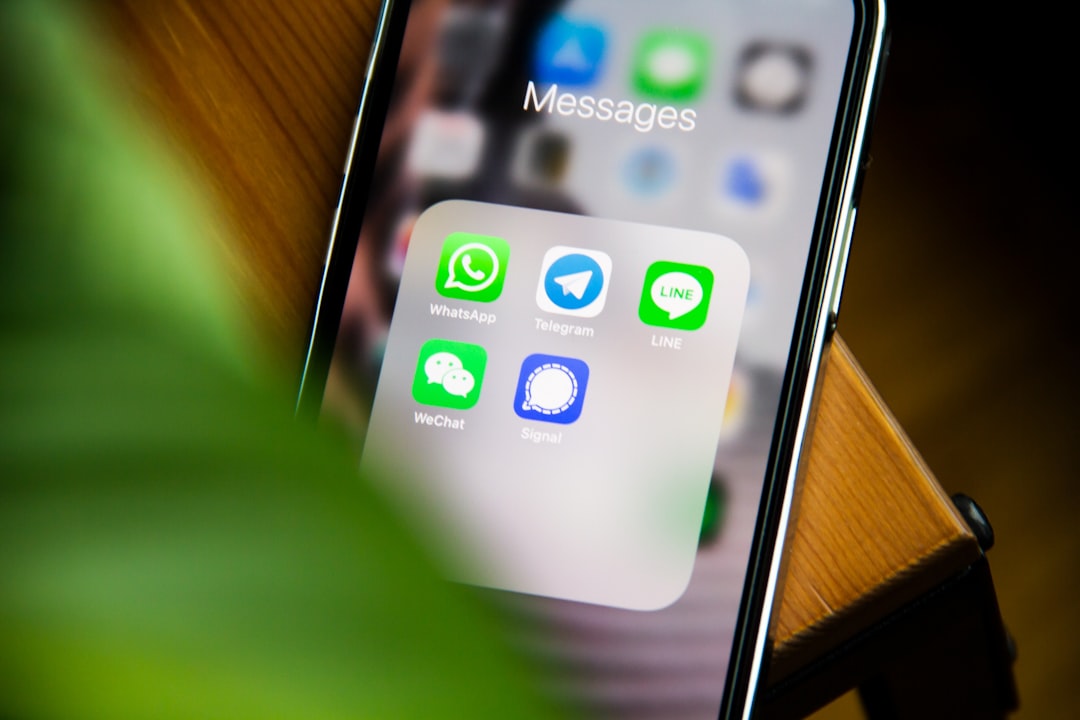
WhatsApp is one of the most widely used messaging apps globally, with billions of users. While it is owned by Meta, the app uses the Signal Protocol to encrypt all personal messages and calls by default.
Security Capabilities
WhatsApp provides automatic end-to-end encryption across:
- One-on-one chats
- Group chats
- Voice calls
- Video calls
- Shared media
This means messages are encrypted on the sender’s device and decrypted only on the recipient’s device, preventing interception by hackers or surveillance entities.
WhatsApp also provides:
- Two-step verification
- Encrypted chat backups (optional, password protected)
- Security code verification for confirming contact authenticity
- Disappearing messages
Privacy Considerations
Although message content is encrypted, WhatsApp does collect certain metadata, such as phone numbers, device information, and usage statistics. For some privacy-conscious users, this may be a drawback compared to more minimal-data platforms like Signal or Threema.
However, for everyday users seeking strong encryption combined with widespread adoption, WhatsApp remains a practical and secure solution.
Ideal for: Users who want encrypted messaging while staying connected to a large global network.
3. Threema
Threema distinguishes itself through anonymity. Unlike most messaging apps, it does not require a phone number or email address to create an account. Users receive a random Threema ID, which significantly reduces personal data exposure.
Advanced Encryption Framework
Threema uses strong end-to-end encryption for:
- Text messages
- Voice and video calls
- Group chats
- File sharing
- Status messages
All encryption takes place directly on the user’s device, and minimal metadata is stored on Threema’s servers. The company is based in Switzerland, which is known for strong privacy laws.
Key Privacy Benefits
- No phone number required
- No email required
- Servers located in privacy-friendly jurisdiction
- Open-source components
- Local contact syncing options
Unlike Signal and WhatsApp, Threema is a paid app. However, the payment model supports its privacy-centric business approach by reducing reliance on advertising or data monetization.
Ideal for: Users who want anonymity along with strong encryption.
What Does 100% End-To-End Encryption Really Mean?
End-to-end encryption (E2EE) ensures that:
- Only the sender and recipient can read the messages.
- Encryption keys are stored on user devices, not centralized servers.
- Service providers cannot decrypt conversations.
Even if a platform’s servers are compromised, encrypted messages remain unreadable without the private decryption keys.
However, users should understand that encryption protects content, not necessarily metadata. Metadata may include timestamps, contact lists, and frequency of communication, depending on the app’s policies.
How to Choose the Right Encrypted Messaging App
Selecting the best platform depends on personal priorities. Consider the following:
1. Data Collection Policies
Users who want minimal data storage should favor platforms like Signal or Threema.
2. Popularity and Network
If most contacts already use WhatsApp, convenience may outweigh certain privacy trade-offs.
3. Anonymity Requirements
Those who prefer not sharing phone numbers should consider Threema.
4. Open-Source Transparency
Open-source applications allow independent security audits, increasing trust in encryption claims.
Additional Security Best Practices
Even with end-to-end encryption, users should follow smart digital hygiene practices:
- Enable two-factor authentication
- Regularly update apps
- Avoid public Wi-Fi without a VPN
- Verify security codes with new contacts
- Use strong device passcodes
Encryption is powerful, but personal behavior remains a critical element of digital privacy.
Conclusion
Secure messaging is no longer a luxury — it is an essential component of modern digital life. Signal, WhatsApp, and Threema each offer 100% end-to-end encryption, ensuring private chats remain confidential. While they share strong encryption standards, differences in metadata handling, anonymity, and business models set them apart.
For maximum privacy and transparency, Signal leads the way. For widespread communication with strong encryption, WhatsApp delivers convenience. For users demanding anonymity, Threema presents a compelling solution.
Ultimately, the best encrypted messaging app is the one that aligns with individual privacy expectations and communication needs.
Frequently Asked Questions (FAQ)
1. What is end-to-end encryption?
End-to-end encryption is a security method that ensures only the sender and recipient can read a message. Not even the app provider can decrypt the content.
2. Are encrypted messaging apps completely anonymous?
Not necessarily. While message content may be encrypted, some apps still collect metadata such as phone numbers or device information. Threema offers higher anonymity by not requiring a phone number.
3. Can encrypted messages be hacked?
If implemented correctly, end-to-end encryption is extremely difficult to break. However, compromised devices, weak passwords, or phishing attacks can still expose conversations.
4. Is WhatsApp as secure as Signal?
Both use the Signal Protocol for encryption. However, Signal collects significantly less metadata, making it more privacy-focused overall.
5. Are encrypted messaging apps free?
Signal and WhatsApp are free. Threema requires a one-time purchase fee, supporting its independent privacy-focused business model.
6. Do encrypted apps protect group chats?
Yes. Signal, WhatsApp, and Threema provide end-to-end encryption for both individual and group chats.
7. What happens if I lose my phone?
If device backups are not enabled securely, encrypted messages may be lost. It is important to set up secure backup options where available and protect accounts with two-factor authentication.