
In today’s data-driven economy, businesses rely heavily on structured data to power decision-making, automation, analytics, and competitive intelligence. From e-commerce pricing and real estate listings to financial records and social media insights, structured data fuels modern workflows. However, collecting and organizing that information at scale can be complex. That’s where Data Extraction SaaS (Software as a Service) platforms come into play—offering automated, scalable, and compliant ways to gather structured data from websites, documents, and digital systems.
TLDR: Data extraction SaaS platforms automate the process of collecting structured data from websites, documents, and online sources. The right platform depends on your needs—whether you prioritize large-scale web scraping, API access, document processing, or compliance features. This article explores six leading solutions, highlighting their strengths, ideal use cases, and key capabilities. If you’re looking to turn scattered information into actionable datasets, these platforms are worth your attention.
Why Structured Data Extraction Matters
Structured data is organized information—typically formatted into tables, databases, or spreadsheets—making it easy to analyze. Businesses use structured data to:
- Monitor competitor pricing
- Aggregate product catalogs
- Analyze financial or market data
- Track job postings and hiring trends
- Generate leads from public sources
Manual data collection no longer scales in competitive markets. Modern SaaS platforms offer automated workflows, built-in compliance safeguards, and integrations with analytics tools.
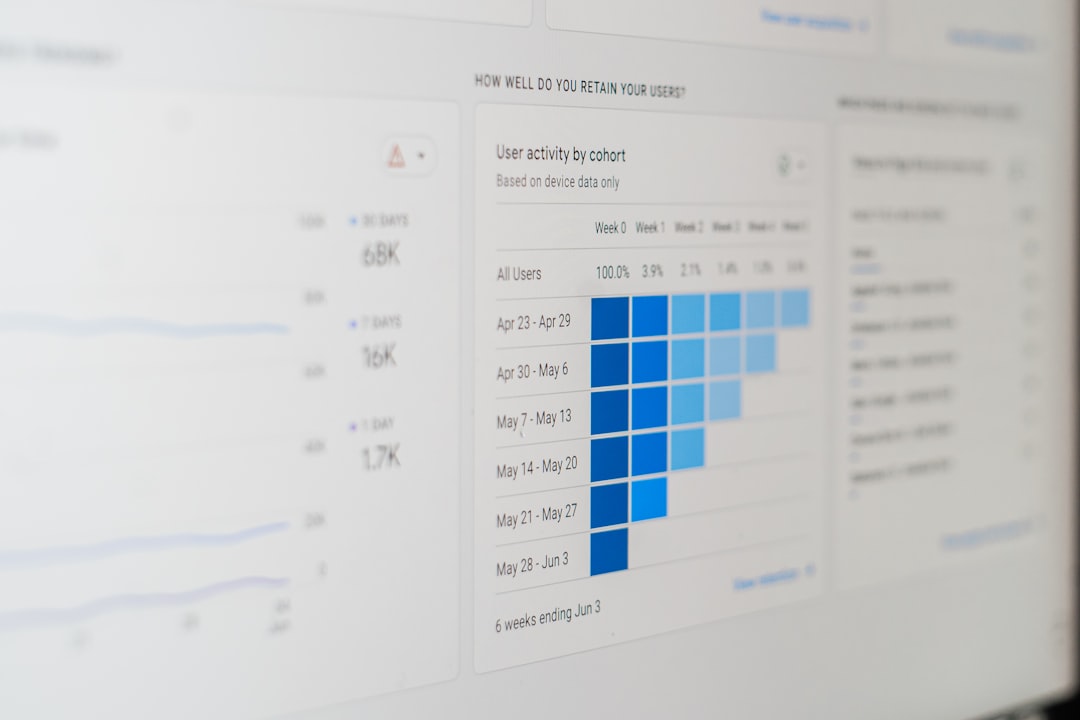
Below are six powerful data extraction platforms that simplify structured data collection.
1. Import.io
Best for: Enterprise-scale web data extraction
Import.io is one of the most established names in the web data extraction market. It allows businesses to convert web content into structured datasets without needing extensive coding knowledge.
Key Features
- Automated web extraction workflows
- Large-scale crawling capabilities
- Data validation and quality assurance tools
- API delivery for seamless integration
- Compliance and legal review support
Import.io stands out for its enterprise-grade reliability. Large organizations use it for competitive pricing intelligence, market trends analysis, and supply chain monitoring. It’s particularly strong at handling dynamic websites and content that requires interaction to extract.
The platform’s managed service option is also valuable for companies that prefer to outsource extraction operations.
2. Octoparse
Best for: Users who want a visual web scraping interface
Octoparse is popular among analysts and small-to-mid-sized businesses because of its intuitive, no-code interface. Instead of programming extraction rules manually, users visually click on data elements they want to collect.
Key Features
- Point-and-click interface
- Cloud-based automated extraction
- Pre-built scraping templates
- CAPTCHA handling and IP rotation options
- Multiple export formats including CSV and Excel
Octoparse lowers the barrier to structured data collection. It’s ideal for marketing teams tracking product listings, sales teams building lead lists, and researchers collecting public data.
While powerful, it’s better suited for structured and semi-structured web pages rather than highly complex environments.
3. Apify
Best for: Developers and customizable automation
Apify takes a more developer-friendly approach. It provides a marketplace of pre-built “Actors” (automation scripts) and allows teams to create custom scraping and automation workflows.

Key Features
- Open-source-friendly architecture
- Customizable scraping actors
- API and webhook integrations
- Cloud hosting and scheduling
- Scalable infrastructure
Apify shines when flexibility is key. Whether you’re extracting LinkedIn job listings, scraping e-commerce pricing, or automating browser tasks, Apify offers scalable tools.
Because it caters to developers, businesses with in-house technical expertise often get the most out of this platform. However, pre-built templates make it accessible even for less technical users.
4. Diffbot
Best for: AI-powered structured data extraction
Diffbot differentiates itself using artificial intelligence and computer vision to automatically interpret web pages. Instead of relying on rigid scraping rules, it analyzes page structures and extracts entities like products, articles, images, and companies.
Key Features
- Automatic page type detection
- AI-based entity recognition
- Knowledge graph integration
- Crawlbot for large-scale discovery
- Structured output via API
This AI-driven approach makes Diffbot highly adaptable to site changes. If a website updates its layout, traditional scrapers may break—but Diffbot’s machine learning logic often adapts without requiring major adjustments.
It is particularly useful for building datasets in content aggregation, financial intelligence, and research analytics.
5. Bright Data
Best for: Large-scale, compliant web data collection
Bright Data offers enterprise-level data extraction solutions backed by an extensive proxy network. It provides ready-made datasets and customized data collection services across industries such as retail, travel, finance, and cybersecurity.
Key Features
- Massive residential proxy infrastructure
- Pre-assembled real-time datasets
- Web scraping IDE
- Data collector tools
- Compliance-focused framework
If your organization needs high-volume extraction with geographic targeting and reliability, Bright Data is a strong contender. It’s widely used for price monitoring, ad verification, and cybersecurity research.
However, it’s best suited for companies equipped to manage large datasets and compliance processes.
6. Parseur
Best for: Document and email structured data extraction
Not all structured data comes from websites. Parseur specializes in extracting structured data from emails, PDFs, invoices, and other documents.
Key Features
- AI and template-based parsing
- Email mailbox integration
- Automatic table extraction from PDFs
- Export to Google Sheets, Zapier, and APIs
- No-code workflow design
Parseur is ideal for operations teams processing invoices, order confirmations, booking details, or logistics paperwork. By transforming semi-structured documents into clean datasets, it reduces manual entry errors and increases efficiency.
For companies drowning in incoming document workflows, Parseur can dramatically streamline structured data collection.
How to Choose the Right Platform
Selecting a data extraction SaaS platform depends on several factors:
1. Data Source Type
- Websites → Import.io, Apify, Bright Data, Diffbot
- Documents and emails → Parseur
- Small-to-mid web scraping tasks → Octoparse
2. Technical Expertise
If your team lacks developers, a no-code tool like Octoparse or Parseur may be suitable. For advanced customization, Apify or Bright Data offer more flexibility.
3. Scale Requirements
Large enterprises handling millions of records should consider Import.io, Bright Data, or Diffbot. Smaller operations can start with lightweight platforms.
4. Compliance and Legal Considerations
Data extraction must comply with regional regulations and website policies. Enterprise platforms often provide legal guidance and compliance documentation.
The Future of Structured Data Extraction
The data extraction landscape continues evolving. AI and machine learning are reducing the need for manually configured scraping rules. Increasingly, systems auto-detect relevant data points and adapt to layout changes in real time.
Additionally, companies are blending:
- Web scraping
- API integrations
- Robotic process automation (RPA)
- AI-powered entity recognition
This convergence creates smarter pipelines that transform raw information into structured, analysis-ready datasets instantly.
As open data initiatives expand and organizations compete on analytics speed, structured data extraction will become even more central to business strategy.
Final Thoughts
Structured data is a competitive advantage—but only if you can collect it efficiently and responsibly. Data extraction SaaS platforms simplify what once required complex coding and infrastructure. Whether you need enterprise-scale web intelligence, AI-driven extraction, or document parsing automation, there’s a tool tailored to your needs.
By thoughtfully evaluating your data sources, technical capacity, and compliance requirements, you can choose a platform that transforms unstructured information into actionable insights. In a world where decisions move at the speed of data, the right extraction platform isn’t just helpful—it’s strategic.