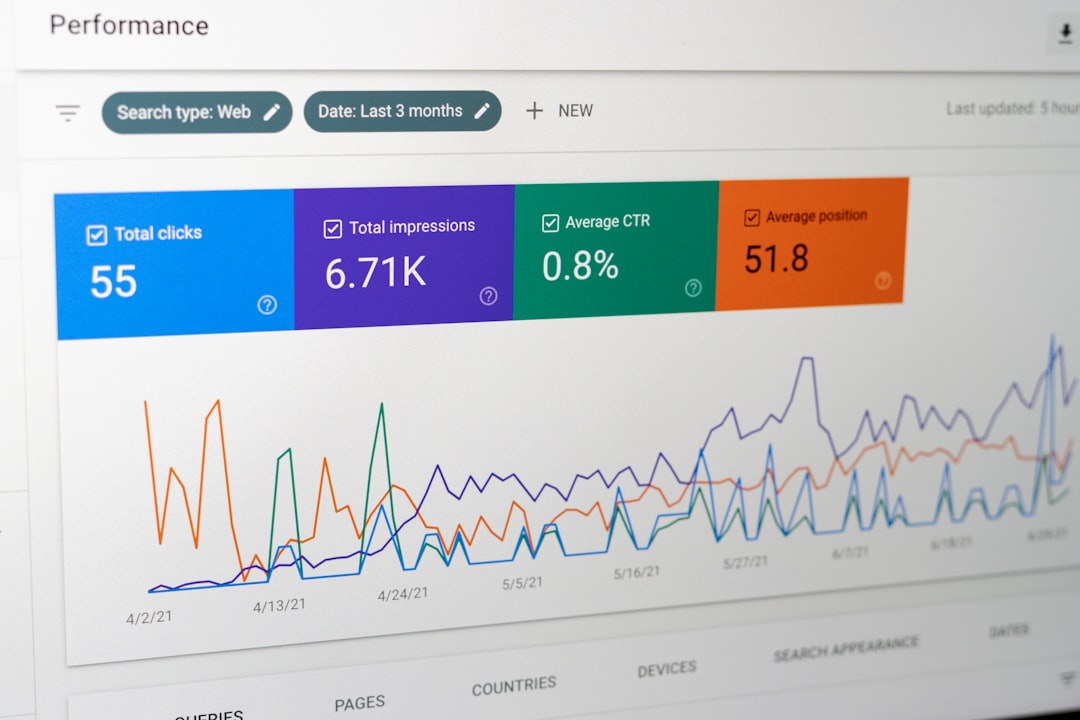
Web development is evolving at a pace that leaves little room for complacency. In 2026, businesses are no longer competing solely on product quality or pricing—they are competing on speed, experience, performance, and adaptability. The websites and web applications that succeed today are those designed not only for functionality, but for scalability, intelligence, and seamless customer journeys. Organizations that recognize and adopt emerging web development trends are seeing measurable growth in conversion rates, customer loyalty, and operational efficiency.
TL;DR: In 2026, business growth online is being shaped by four key web development trends: AI-driven personalization, composable architecture and headless systems, performance-first development, and enhanced web security with privacy-first design. Companies that invest in these areas are creating faster, more adaptive, and more engaging digital experiences. The result is higher conversion rates, improved SEO visibility, and stronger customer trust. Businesses that ignore these trends risk losing relevance in an increasingly competitive digital marketplace.
1. AI-Driven Personalization at Scale
Artificial intelligence has moved far beyond experimental use. In 2026, it is a core infrastructure component of successful web platforms. AI-driven personalization enables businesses to deliver dynamic, context-aware experiences tailored to individual users in real time.
Instead of static web pages, modern platforms adjust:
- Content recommendations based on user behavior
- Dynamic pricing or offers aligned with buying patterns
- Search results customized to browsing history
- Chatbot interactions powered by advanced natural language models
This level of personalization was once reserved for large enterprises. Today, scalable AI APIs and cloud-based machine learning frameworks make it accessible to mid-sized and even smaller companies.

The business impact is significant:
- Higher customer engagement through relevant content
- Improved conversion rates from targeted calls to action
- Reduced bounce rates due to contextual experiences
- Increased lifetime customer value through predictive upselling
Importantly, AI-driven personalization is most effective when paired with transparent data use policies. Customers in 2026 are acutely aware of privacy. Businesses that balance personalization with ethical data practices build lasting trust.
Companies that treat AI as an embedded system feature—rather than a superficial add-on—are outperforming competitors by creating web experiences that feel intuitive and responsive.
2. Composable Architecture and Headless Systems
Traditional monolithic websites are steadily giving way to composable architecture. This modular approach allows organizations to choose best-in-class components for content management, commerce, search, and analytics—then connect them through APIs.
In practical terms, this often involves:
- Headless CMS solutions separating content from presentation
- API-first development for seamless integrations
- Microservices architecture for flexible scaling
- Cloud-native deployment for resilience and uptime

This trend is shaping business growth because it gives companies unprecedented agility. When marketing teams need to launch a campaign microsite, or product teams need to introduce new functionality, updates can be deployed without rebuilding the entire platform.
Key advantages include:
- Faster time-to-market for new features
- Greater flexibility in choosing technology partners
- Improved scalability during traffic spikes
- Future-proof infrastructure that adapts to innovation
For enterprises operating internationally, composable systems also allow localization and regional customization without duplicating infrastructure.
In 2026, business growth depends heavily on responsiveness. Markets shift rapidly, and customer expectations evolve even faster. Companies using modular, API-driven development frameworks can pivot in weeks rather than months.
3. Performance-First Development and Core Web Optimization
Speed is no longer simply a technical concern—it is a revenue driver. Studies consistently show that even milliseconds of delay impact user satisfaction and conversion rates. In an era dominated by mobile browsing and 5G connectivity, expectations are unforgiving.
Performance-first development prioritizes:
- Optimized asset loading
- Server-side rendering and edge computing
- Efficient JavaScript execution
- Advanced caching strategies
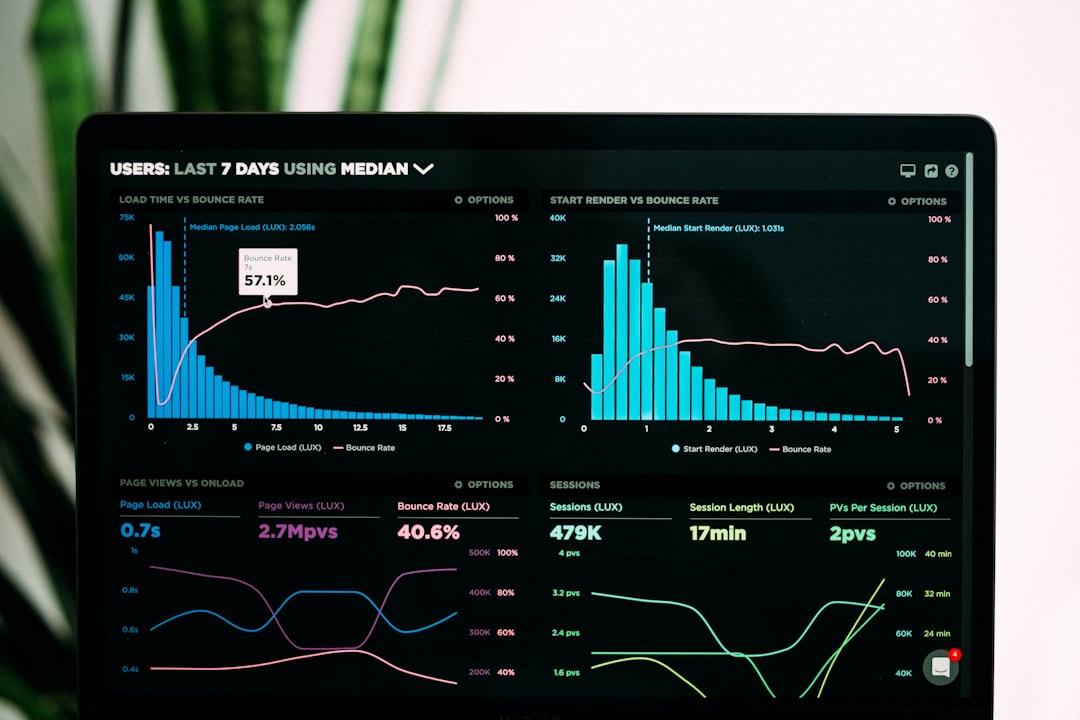
Search engines continue refining ranking systems that prioritize performance metrics such as:
- Largest Contentful Paint (LCP)
- Interaction to Next Paint (INP)
- Cumulative Layout Shift (CLS)
Businesses that invest in optimizing these metrics see direct benefits in organic search visibility. More importantly, they deliver frictionless experiences that keep users engaged.
Why performance drives business growth:
- Faster sites generate more conversions
- Reduced abandonment during checkout processes
- Stronger SEO rankings and reduced paid acquisition costs
- Enhanced brand perception through reliability
Performance-first development also supports accessibility. Lightweight code structures and optimized layouts make web experiences more inclusive, especially for users in regions with inconsistent network quality.
In 2026, the organizations that win are not necessarily those with the most visually complex websites, but those delivering fast, stable, and responsive interactions across every device.
4. Privacy-First Security and Trust-Centered Design
Cybersecurity incidents have made headlines consistently over the past decade. As regulatory frameworks mature and customer awareness grows, privacy-first development has become a core growth strategy rather than a compliance obligation.
Modern web development now emphasizes:
- Zero-trust architecture
- End-to-end encryption
- Multi-factor authentication
- Transparent data consent mechanisms
- Secure DevOps (DevSecOps) practices
Trust is increasingly tied to user experience design. Clear privacy settings, straightforward cookie controls, and visible security certifications reassure customers that their data is protected.
The connection to growth is direct:
- Customers are more likely to transact on secure platforms
- Enhanced reputation reduces churn
- Regulatory compliance prevents costly fines
- Secure systems protect business continuity
Beyond technical safeguards, businesses are rethinking how much data they collect. Minimization strategies—collecting only essential information—reduce risk surface while signaling ethical responsibility.
Companies that proactively communicate security practices build deeper loyalty. In 2026, trust is not assumed; it is earned through visible, consistent safeguards.
How These Trends Work Together
While each of these four trends provides value independently, their greatest impact comes from integration.
Consider the combined effect:
- AI personalization enhances engagement.
- Composable architecture enables rapid innovation.
- Performance-first strategies improve conversions.
- Privacy-first design builds long-term trust.
Together, they create a digital ecosystem that is adaptive, resilient, and customer-centric.
For example, a retail company using headless commerce can deploy AI-powered recommendation engines, deliver content through edge networks for speed, and reassure customers through strong encryption and transparent privacy controls. The result is not just a functional website—it is a scalable growth engine.
Strategic Recommendations for Business Leaders
Adopting these trends requires more than technical upgrades. It demands alignment between executive leadership, marketing teams, and engineering departments.
Practical next steps include:
- Conducting a comprehensive performance and security audit
- Evaluating current architecture for modular flexibility
- Implementing AI pilots in customer-facing touchpoints
- Investing in developer training for modern frameworks
- Establishing clear data governance policies
Leaders should also prioritize measurable KPIs, such as:
- Page load time benchmarks
- Conversion rate improvements from personalization
- Security incident reduction metrics
- Infrastructure scalability under peak traffic
The organizations that treat web development as a strategic investment—rather than a maintenance function—are those best positioned for sustained growth.
Looking Ahead
The digital landscape in 2026 is defined by sophistication, speed, and accountability. Businesses are no longer judged solely by what they offer, but by how seamlessly they deliver it online.
AI-driven personalization ensures relevance. Composable architecture ensures agility. Performance-first development ensures efficiency. Privacy-first security ensures trust.
These four web development trends are not temporary innovations—they represent a structural shift in how online growth is achieved. Companies that embrace them thoughtfully and strategically will not only meet customer expectations but set new standards within their industries.
In a marketplace where digital experience often defines brand perception, serious investment in modern web development is no longer optional. It is foundational to business success in 2026 and beyond.