In 2026, mobile connectivity has become more flexible and seamless than ever before, largely thanks to the widespread adoption of eSIM technology. As physical SIM cards gradually fade from everyday use, consumers, businesses, and device manufacturers are embracing a digital alternative that simplifies how people connect to mobile networks worldwide. From smartphones and smartwatches to laptops and IoT devices, eSIM is redefining what it means to stay connected.
TL;DR: An eSIM is a digital SIM built directly into a device, eliminating the need for a physical SIM card. It allows users to download and switch mobile carriers remotely through software. In 2026, eSIM technology powers smartphones, wearables, laptops, and IoT devices, offering greater flexibility, enhanced security, and easier global connectivity. Its adoption continues to grow as telecom providers and manufacturers prioritize convenience and digital-first experiences.
What Is an eSIM?
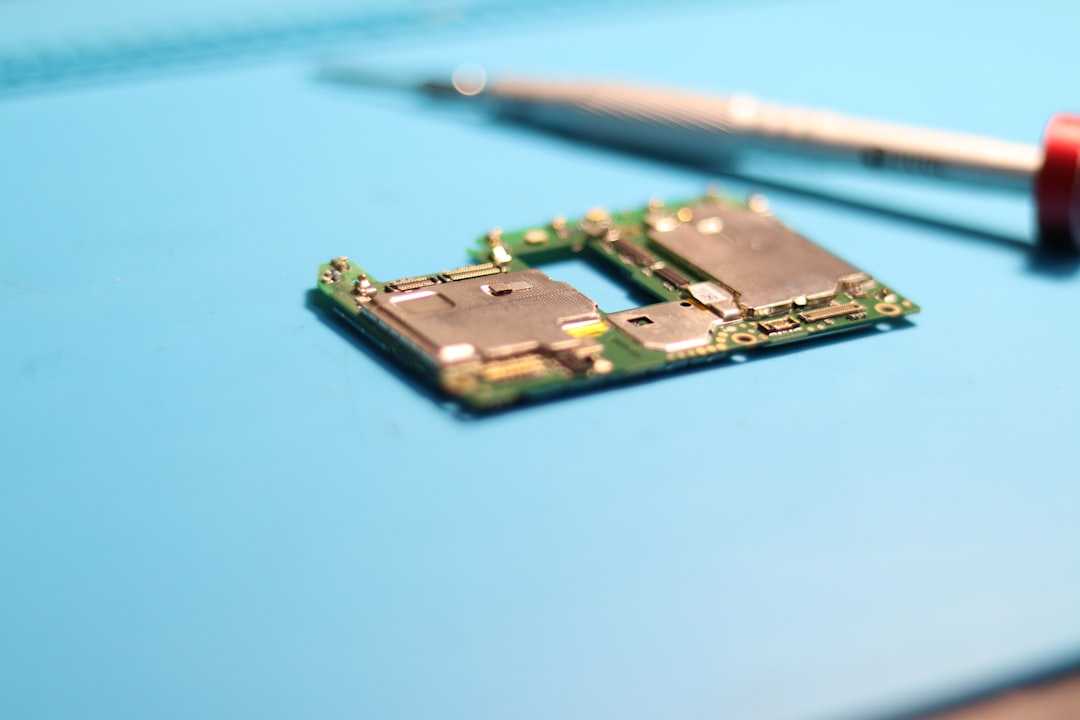
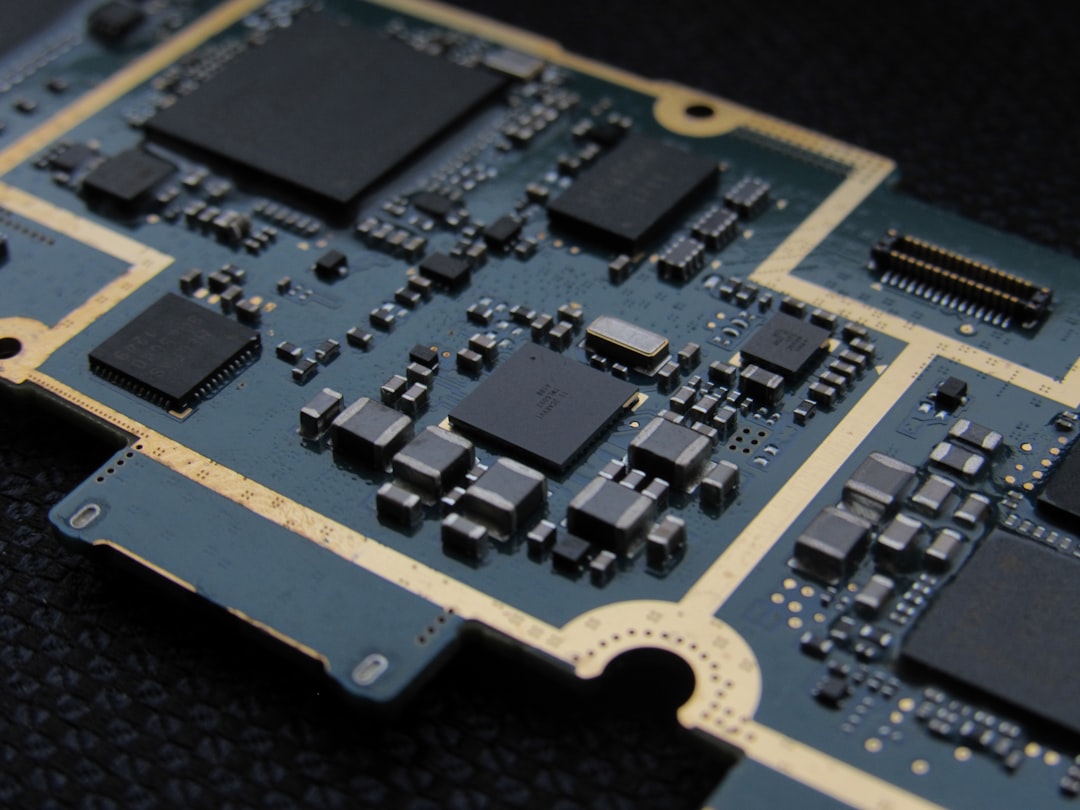
An eSIM, short for embedded Subscriber Identity Module, is a small chip embedded directly into a device’s hardware. Unlike traditional SIM cards, which must be physically inserted into a SIM slot, an eSIM is built into the device during manufacturing. It performs the same core function as a physical SIM: identifying and authenticating a user on a mobile network.
The key difference is that instead of swapping tiny plastic cards, users download a carrier profile digitally. This profile contains all the necessary information to connect the device to a mobile network, including subscriber details and authentication credentials.
How Does an eSIM Work?
At its core, eSIM technology relies on remote SIM provisioning (RSP). This system allows mobile carriers to securely deliver network credentials over the internet. Here is how the process typically works in 2026:
- Device Activation: The user purchases a mobile plan from a carrier that supports eSIM.
- Profile Download: The carrier sends a QR code, activation code, or direct in-app provisioning link.
- Authentication: The device securely downloads and installs the carrier profile.
- Network Connection: The device connects to the mobile network without any physical SIM insertion.
Most modern devices allow users to store multiple eSIM profiles simultaneously. While only one or two profiles may be active at a time (depending on the device), switching between carriers can often be done in seconds through the device settings.
Why eSIM Became Mainstream by 2026
Although eSIM technology existed for several years, 2025 and 2026 marked a tipping point. Several factors contributed to its widespread adoption:
- Flagship smartphones removed physical SIM trays.
- Global carriers expanded eSIM support.
- Travelers demanded easier international connectivity.
- IoT expansion required scalable remote provisioning.
Today, most premium and mid-range smartphones released in 2026 operate exclusively on eSIM in many markets. Consumers have adjusted to the digital-first activation process, and carriers have streamlined onboarding to make setup nearly instant.
Key Benefits of eSIM Technology
1. Convenience and Flexibility
One of the most significant advantages of eSIM is flexibility. Users can:
- Switch carriers without visiting a store.
- Add temporary travel data plans instantly.
- Maintain separate personal and business numbers on one device.
- Avoid losing or damaging physical SIM cards.
Frequent travelers benefit the most. Instead of buying local SIM cards abroad, they can download a regional data plan before departure or upon arrival.
2. Enhanced Security
Because an eSIM is embedded inside the device, it cannot be physically removed if a phone is lost or stolen. This makes it harder for thieves to disable tracking services by simply ejecting a SIM card.
Additionally, remote provisioning systems use encrypted communication channels and strict authentication protocols, improving overall network security.
3. Space-Saving Design
Removing the SIM tray allows manufacturers to free up internal space. This can be used for:
- Larger batteries
- Improved cooling systems
- Additional sensors
- Enhanced waterproofing
While the space savings may seem small, in compact devices like smartwatches and fitness trackers, this design change makes a significant difference.
4. Environmental Impact
In 2026, sustainability remains a major focus in consumer tech. eSIM reduces plastic waste from millions of manufactured SIM cards and eliminates excess packaging and shipping materials. Though small individually, these reductions scale significantly across global markets.
eSIM vs. Physical SIM: A Comparison
To better understand the shift, here is a simplified comparison:
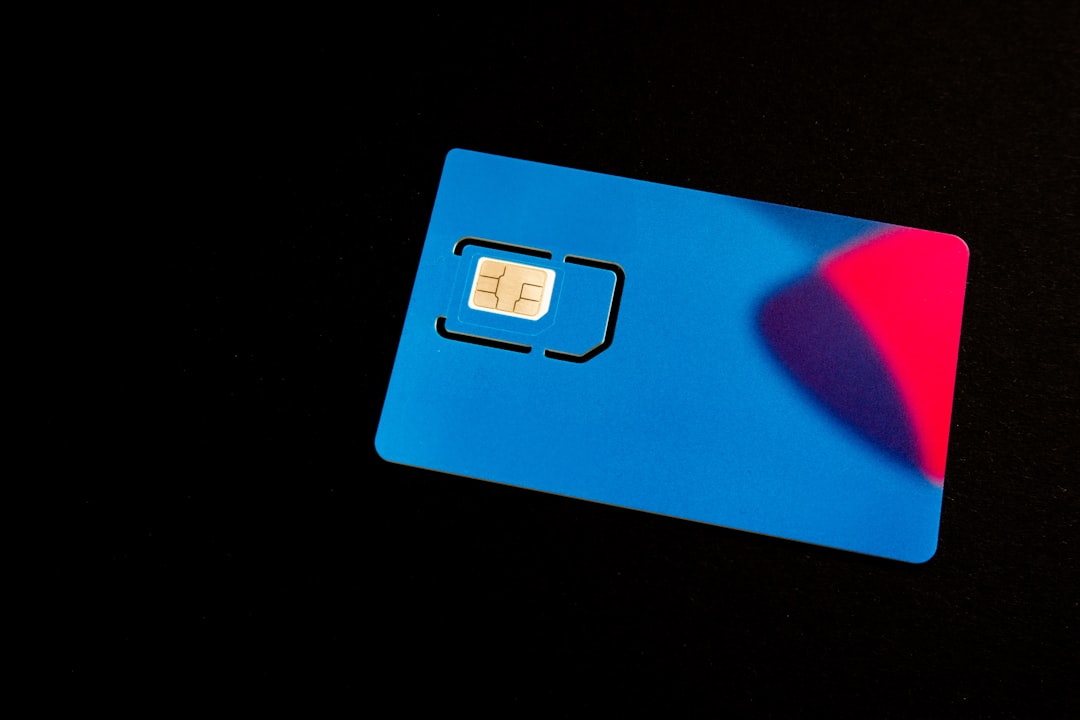
- Physical SIM: Removable plastic card inserted into device.
- eSIM: Embedded chip programmed digitally.
Switching Carriers:
- Physical SIM: Requires obtaining and inserting a new card.
- eSIM: Download and activate new carrier profile.
Security:
- Physical SIM: Can be removed from stolen phone.
- eSIM: Permanently embedded and remotely manageable.
Device Design:
- Physical SIM: Requires tray and slot.
- eSIM: Allows sleeker, sealed designs.
eSIM in Different Devices in 2026
Smartphones
Most flagship smartphones in 2026 rely entirely on eSIM technology in several countries. Users can activate service during the device setup process without ever handling a physical card.
Smartwatches and Wearables
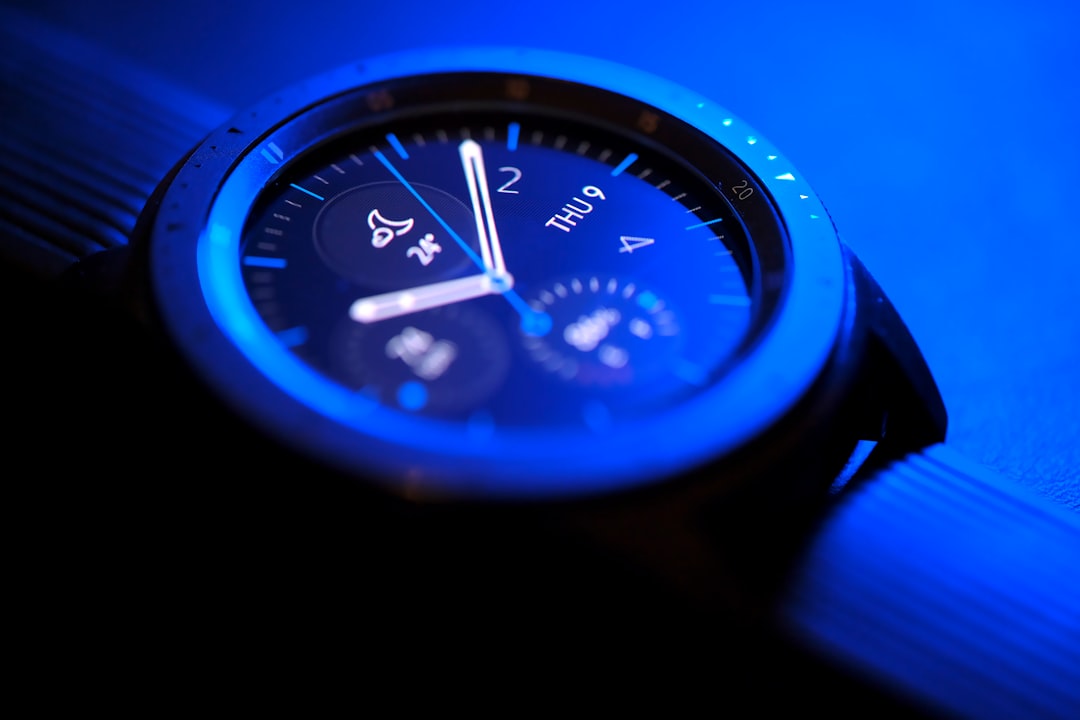
Wearables greatly benefit from eSIM because of their compact size. Cellular-enabled smartwatches use eSIM to operate independently from smartphones, allowing users to make calls or stream music on the go.
Laptops and Tablets
Many laptops now come with built-in cellular connectivity via eSIM. This eliminates the need for Wi-Fi hotspots and enables professionals to stay connected while traveling.
Internet of Things (IoT)
IoT devices, such as smart meters, connected vehicles, and industrial sensors, rely heavily on eSIM in 2026. Remote provisioning enables fleet managers and enterprises to manage thousands of devices without physically accessing each unit.
How to Activate an eSIM in 2026
Although activation varies slightly by carrier, the general process includes:
- Opening the device’s cellular settings.
- Selecting “Add Mobile Plan” or a similar option.
- Scanning a QR code or entering an activation code.
- Confirming installation of the carrier profile.
Some carriers now offer automatic in-app provisioning, where users tap a single button to download and activate service instantly.
Potential Drawbacks
Despite its advantages, eSIM does have some limitations:
- Carrier Compatibility: Not all carriers worldwide fully support eSIM features.
- Device Transfer Complexity: Moving a profile between devices may require carrier authorization.
- Learning Curve: Some users prefer the familiarity of swapping a physical SIM.
However, as digital onboarding improves, these challenges continue to diminish.
The Future of eSIM Beyond 2026
Looking ahead, industry experts anticipate further integration of iSIM (integrated SIM) technology, where SIM functionality is built directly into a device’s main processor. This would further reduce hardware components and enhance energy efficiency.
Additionally, global standardization efforts aim to make switching carriers across borders even more seamless, potentially transforming international roaming into a fully automated, cost-transparent experience.
As telecom infrastructure evolves alongside 5G Advanced and early 6G development, eSIM stands as a foundational technology enabling frictionless global connectivity.
Frequently Asked Questions (FAQ)
1. Is eSIM better than a physical SIM?
eSIM offers greater flexibility, security, and convenience compared to physical SIM cards. However, the best choice depends on carrier support and user preference.
2. Can an eSIM be removed?
No, an eSIM is embedded into the device hardware and cannot be physically removed. However, carrier profiles can be deleted or replaced through software.
3. Can multiple numbers be used on one eSIM device?
Yes. Many devices support multiple stored eSIM profiles and allow users to operate two active numbers simultaneously.
4. Does eSIM work internationally?
Yes. Travelers can download international or local carrier profiles digitally, often without switching physical cards.
5. Is eSIM secure?
eSIM uses encrypted remote provisioning standards and cannot be physically removed, making it more secure in cases of theft or device loss.
6. Do all phones support eSIM in 2026?
Most new mid-range and premium smartphones support eSIM, but some entry-level models may still offer physical SIM options depending on the region.
7. What happens if a phone with eSIM is reset?
Factory resets typically remove installed eSIM profiles, requiring reactivation through the carrier.
In 2026, eSIM is no longer a novelty but a standard feature shaping the future of mobile connectivity. By removing physical limitations and enabling digital flexibility, it continues to redefine how people connect to networks around the world.